
Catch up on a live 3-day event focused on advancing analytical science and innovation when it counts.
SCIEX summit 2025
Discover how scientists and researchers from around the world are driving innovation through analytical science. Hear directly from global experts as they share insights into the latest trends, advanced workflows, and transformative techniques shaping the future of:
-
Food safety
-
Environmental health
-
Pharmaceutical and biopharmaceutical breakthroughs
-
Biomedical and omics research
Summit Highlights
Future-focused solutions
Explore how next-generation technologies are redefining the boundaries of analytical capability.
Advanced strategies
Dive into cutting-edge methodologies transforming laboratories across pharma, biotech, food, environmental, and clinical sectors.
Emerging trends
Gain foresight into the innovations driving the future of analytical science.
Whether you're a scientist, researcher, or industry innovator, this is your opportunity to be part of the conversation.
Access now to unlock exclusive content, speaker sessions, and agenda insights—and stay ahead in analytical excellence.
Biomedical and omics research
Life science research is rapidly evolving with advanced mass spectrometry workflows that enable deeper biological insights, from single-cell metabolomics to cancer subtype profiling. Cutting-edge tools like the ZenoTOF series are driving high-throughput, high-sensitivity analysis across diverse applications, empowering researchers to push the boundaries of discovery.

Back to the future with sliding MS2 windows on the ZenoTOF 8600 system
Gary Patti, Professor of Chemistry and of Genetics and Medicine (School of Medicine), Washington University, St Louis
Mass spectrometry-based metabolomics aims to profile the comprehensive collection of small molecules from a biological system. A typical experiment generally measures more signals than can be targeted by conventional data-dependent MS2 analysis. Innovative strategies to improve MS2 coverage and deconvolute the chimeric spectra are needed. Key takeaways from the presentation:
- Overview of motivation for sliding MS2 windows in metabolomics
- Example of metabolomics data from the ZenoTOF 8600 system
- Analysis of improved coverage and data quality

Proteomic tools (SWATH DIA and ZT Scan DIA) to investigate skeletal health in the context of aging and cancer
Birgit Schilling, PhD, Professor, The Buck Institute
We are using the ZenoTOF 7600+ system to investigate human breast cancer subtypes, specifically metaplastic breast cancer, which is particularly detrimental. We also investigate metastatic cancer to the bone (40% of all metastasis sites of breast cancer).
Key takeaways from the presentation:
- Precise quantification using SWATH DIA and ZT Scan DIA
- Data can be further mined post-acquisition.
- High throughput

Evaluating quantitative figures of merit for ZT Scan DIA and Zeno SWATH DIA
Daniele Canzani, Senior Scientist II, Talus Bio
Mass spectrometry-based proteomics depends on measurements that are both quantitatively accurate and precise. We used matrix-matched calibration curves to assess quantitative figures of merit for each peptide measured in a proteome across various acquisition settings on a ZenoTOF 8600 system in order to identify optimal settings for quantitative accuracy and precision.
Key takeaways from the presentation:
- LOD and LOQ values are measured using Zeno SWATH and ZT scan DIA modes and using multiple gradient lengths for high-throughput analysis
- Assessment of quantitative figures of merit enables selection of optimized acquisition settings
- Peptides were identified and quantified using various search tools to evaluate differences between software approaches

Towards single-cell metabolomics
James Cox, Associate Professor of Biochemistry, University of Utah
Single-cell metabolomics has the potential to revolutionize our understanding of metabolism at the individual cell level. By integrating advanced sample cleaneup, meticulous reagent preparation, and cutting-edge instrumentation, our workflow enables reliable metabolomic profiling from as low as several thousand cells.
Key takeaways from the presentation:
- Enhanced sample preparation improves sensitivity
- High-purity reagents minimize analytical artifacts
- Advances in instrumentation enables low-input profiling
Pharma and biopharma
To bring safe and effective therapies to market, it is vital for pharma and biopharma scientists to have the right information available at every stage of the process. Discover analytical strategies that are advancing pharma and biopharma research through a commitment to innovation, and enabling comprehensive small and large molecule analysis, from discovery to commercialization.

Accelerating bioanalysis with automation and software: A next-generation CRO platform
Dmitri Konorev, PhD, Senior Scientist, Dash Bio
Drug development remains a key bottleneck despite rapid advances in drug discovery. To address this, Dash is building a fully automated robotics platform to streamline bioanalytical method development, sample preparation, and analysis, from early discovery to clinical samples.
Key takeaways from the presentation:
- For LC/MS assays, the platform is integrated with a SCIEX 7500+ system.
- Case studies across multiple modalities demonstrate robust quantitative performance and high throughput across diverse assay formats, resulting in rapid turn around times of days, not months

Advancement of capillary gel electrophoresis through the use of native fluorescence detection
Jessica Taylor, Senior Research Associate, Teva Pharmaceuticals
Peak integration in protein capillary gel electrophoresis (CGE) is notoriously difficult due to the noisy, wavy baselines that can occur using standard UV methods. Native fluorescence detection (NFD) utilizes the intrinsic fluorescence capabilities of antibodies from their tryptophan, tyrosine, and phenylalanine residues. Teva evaluated NFD on the BioPhase 8800 system to determine how the baselines, reproducibility, and sensitivity of the assay compared to methods using traditional UV detection, while also ensuring that all minor peaks are detectable using both detection mechanisms. The data gathered at Teva shows that NFD led to notable improvements in the baseline, making automatic integration possible, increased assay sensitivity, while also maintaining comparable reported data and reproducibility to UV methods. Thus far, the improvements in detection from using NFD provide significant time savings in data processing, which makes the integration process more GMP and QC friendly.
Key takeaways from the presentation:
- How native fluorescence detection enables easier peak integration compared to standard UV methods.
- What an increase in assay sensitivity means for CE-SDS
- How improvements streamline data processing and saves time in analytical workflows.

Identification and mode of action of covalent inhibitors using the Echo® MS+ system
Dan Selle, Research Assistant, Sacchetini Laboratory - Texas A&M University
We have been developing methods to elucidate modes of action and implement high-throughput screening of covalent inhibition against priority targets from Mycobacterium tuberculosis using the Echo® MS+ system. Our first study utilizes the Echo® MS+ system to characterize the kinetics of a fast-acting covalent inhibitor against Pks13-AT (PMID: 40739353). We have since expanded our use of the EchoMS+ to include robust high-throughput screening of covalent libraries against multiple Mtb targets.

Characterizing O-glycosylation in the hinge region of immunoglobulin A by bottom-up and middle-up MS with EAD
Patrick Schindler, Laboratory Manager, Novartis Institutes for BioMedical Research
IgA nephropathy has been associated with galactose-deficient IgA1, but the identification of sites that contain only N-acetylgalactosamine (GalNAc) rather than the typical O-GalNAc-Gal-Sia (1/2) remains unclear. This uncertainty is partly attributable to the clustering of different sites within a short sequence region and the proline-rich repeat structure of the hinge sequence. This study used the benchtop ZenoTOF 7600 system, employing both electron-activated dissociation (EAD) and CID techniques, to characterize IgA hinge O-glycosylation.
Key takeaways from the presentation:
- Fine-tuned EAciD fragmentation can accurately localize O-glycans on proline-rich peptides
- An LC-MRMHR strategy combined with Zenotrapping improves sensitivity
- High-quality LC separation is important for reliable MSMS identification of isomer mixtures

End to end small scale bioreactor monitoring using the Echo® MS+ system
Michael Poltash, Senior Scientist, J&J Innovative Medicines
Bioreactor monitoring for product quality, with live monitoring of small-scale bioreactors and spent media analysis provides feedback and control during cell culture. Discover how the Echo® MS+ system and its applications in bioreactor monitoring and cell line development can provide rapid, robust, and high-throughput analysis with strong correlation to traditional LC-MS methods, enabling the analysis of crude supernatants and intact proteins.
Discover how the Echo® MS+ system can streamline cell line development with an application for small-scale bioreactor monitoring with rapid, robust, and high-throughput analysis.

Bridging science and service: advancing regulated bioanalysis with next-generation mass spectrometry
Tharun Ponduru, Senior Bioanalytical Scientist, LC-MS/MS Regulated Bioanalysis, Pharmaron
Next-generation mass spectrometry is transforming regulated bioanalysis by improving robustness, achieving pg/mL sensitivities, minimizing service disruptions, and enabling scalable, compliant workflows. This presentation explores how these advancements support GLP environments while maintaining data integrity and regulatory readiness.
Key takeaways from the presentation:
- Enhanced robustness and sensitivity: Delivers consistent, high-quality data across study durations and complex matrices, supporting FDA/EMA expectations for method validation and reproducibility. Achieve reliable quantitation down to low pg/mL levels, essential for early-phase and biomarker studies.
- Improved serviceability: Smarter diagnostics and reduced maintenance help ensure instrument uptime in compliance-driven environments.
- Scalable, compliant efficiency: Enables faster method deployment and higher throughput while maintaining audit-readiness and GLP compliance.

Bioanalysis of oligonucleotides using enhanced protein precipitation and LC-MS
Afrand Kamali, Senior Scientist, Research ADME, Novo Nordisk
Bioanalysis of siRNAs and ASOs is a key step in the oligonucleotide drug development. A new simple extraction method; EPP; for protein precipitation with help of amines is demonstrated here. combination with fast and qcurate LC-MS technology is shown here reaching high sensitivity and accuracy.
Food and environmental
From routine quantification of mycotoxins and pesticides to trace-level detection of PFAS in biological matrices, food and environmental laboratories worldwide depend on robust, sensitive instrumentation paired with comprehensive software solutions to deliver accurate and reliable results. Explore analytical strategies that are transforming food and environmental testing, enabling critical insights with confidence and efficiency.

Human exposure to ultra short chain PFAS
Christian Lindh, Associate Professor, Lund University
Bioaccumulation of PFAS in the human body due to environmental exposure is a growing public health concern. Because PFAS are widespread in both the environment and everyday consumer products, there is an urgent need for quantitative tools that can accurately and precisely measure low levels of PFAS in biological fluids, helping to assess their bioaccumulation and overall effects on the human body. This presentation will showcase innovative approaches using LC-MS/MS to study human exposure to short chain PFAS which are common breakdown products of other larger PFAS used in products such as F-gases, fluoropolymers and pesticides.
Key takeaways from the presentation:
- Introduce robust and efficient LC-MS/MS methods to measure bio exposure of trifluoroacetic acid (TFA) and other ultra short PFAS in human urine and blood
- Evaluate the impact of short chain PFAS exposure on human health and track the short- and long-term biological responses from the human body
- Demonstrate how the deployment of these methods for high-throughput biomonitoring studies can help in determining the potential toxic effects of ultra short PFAS bioaccumulation associated with human exposure

Challenges and effeciency gains: LC-MS/MS analysis of >900 mycotoxins, plant toxins and other secondary metabolites in only 11 minutes
Lidija Kenjeric, Research Associate, BOKU University
Optimization of high-throughput LC-MS/MS workflows introduces significant efficiency gains for routine contaminant analysis. However, understanding the technical limitations of mass spectrometry platforms remains critical, as these can directly influence method performance, sensitivity, and reliability.
Key takeaways from the presentation:
- Evaluation of the instrumental platforms showed that technological advancements enhanced data quality and precision at very low concentrations, enabling lower limits of quantitation.
- MRM acquisition settings of 1 ms dwell, 2 ms pause, 5 ms settling time enabled efficient data collection while maintaining data quality, even when analyzing a large number of analytes within an 11-minute runtime.
- Throughput optimization enhances efficiency, enabling up to 22 tons of CO2 emission reduction per year while delivering measurable financial benefits for analytical laboratories.
Q&A roundtables
You asked, our experts share their research, insights and ideas.. Hear from panelists expexploring the latest technological advancements that are transforming quantitative research.

Day one: Shaping the future of analytical science
Moderated by: Jamie Wighton, Senior Director LC-MS Research, SCIEX
Panelists included:
- Gary Patti, Washington University, St Louis
- Dmitri Konorev, Dash Bio
- Birgit Schilling, The Buck Institute
- Jessica Taylor, Teva Pharmaceuticals
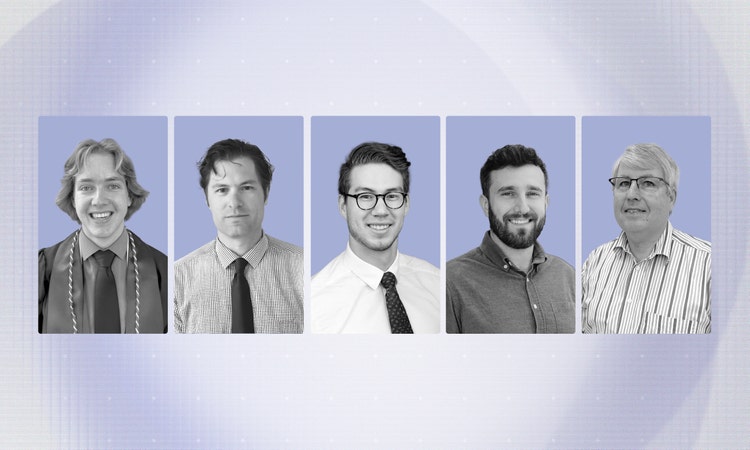
Day two: Advanced strategies in analytical science
Moderated by: Susan Darling, Senior Director, Adjacent & Transformational Technologies, SCIEX
Panelists included:
- Dan Selle, Texas A&M
- Patrick Schindler, Novartis Institutes for BioMedical Research
- Michael Poltash, J&J Innovative Medicines
- James Cox, University of Utah

Day three: Emerging trends in analytical science
Moderated by: Ferran Sanchez, Senior Manager, Market Development and Product Marketing, SCIEX
Panelists included:
- Christian Lindh, Lund University
- Lidija Kenjeric, BOKU University
- Tharun Ponduru, LC-MS/MS Regulated Bioanalysis, Pharmaron
- Afrand Kamali, Novo Nordisk
- Anita P. Liu, Merck