
Watch now
Catch up on the insights, ideas, and innovations shaping analytical science.
Discover how scientists and researchers from around the world are driving innovation through analytical science. Hear directly from global experts as they share insights into the latest trends, advanced workflows, and transformative techniques shaping the future of:
- Food safety
- Environmental health
- Pharmaceutical and biopharmaceutical breakthroughs
- Biomedical and omics research
Summit highlights
Innovation creates possibility
Explore how emerging technologies are driving better scientific outcomes.
Better insights drive better therapies
Dive into innovative approaches addressing the most complex pharma and biopharma challenges.
Transforming data into deeper insights
Gain perspectives from leading researchers unlocking discoveries in omics and applied markets.
Whether you're a scientist, researcher, or industry innovator, this is your opportunity to be part of the conversation.
Access now to unlock exclusive content, speaker sessions, agenda insights, and stay ahead in analytical excellence.
Pharma and biopharma
As therapeutic modalities become increasingly complex, mass spectrometry is playing a critical role in the characterization of GLP-1 therapeutics, oligonucleotides, ADCs, and siRNA-based medicines. Explore emerging bioanalytical approaches and analytical workflows being applied across drug discovery and development.

Overcoming bioanalytical challenges and evaluating workflow strategies for GLP-1 therapeutic quantitation in biological matrices using HRMS
Shane Needham, PhD, Founder & CEO, Veloxity
Discover how the ZenoTOF 8600 system performs for quantitative GLP-1 bioanalysis compared to the SCIEX 6500+ system. Learn how enhanced selectivity can deliver strong sensitivity while accelerating method development for peptide workflows.
- Compare quantitative GLP-1 workflows on the ZenoTOF 8600 system and SCIEX 6500+ system
- Discover how enhanced selectivity supports highly sensitive peptide analysis
- Accelerate peptide screening with method development up to 4-5x faster

Immunocapture-LC/HRMS intact analysis for investigating PNU-ADC deglycosidation in vivo
Lin-Zhi Chen, PhD, Distinguished Research Fellow, Boehringer Ingelheim Pharmaceuticals
|
Discover how immunocapture-LC/HRMS intact analysis can provide deeper insight into ADC biotransformation in vivo. Learn how this approach can characterize and quantify ADC deglycosidation, generating critical data to support PK/PD modeling and therapeutic development decisions.
|

Ultrasensitive multiplexed bioanalysis of complex modalities using the SCIEX 7500+ system: A CRO perspective
Ryan Darling, Associate Director, Mass Spectrometry Bioanalysis, KCAS Bio
Learn how a leading CRO is using the SCIEX 7500+ system to support ultrasensitive, multiplexed bioanalysis of complex therapeutic modalities. Explore approaches for quantifying ADCs, APCs, and AOCs while achieving lower LLOQs and simplifying bioanalytical workflows.
- Quantify complex modalities, including ADCs, APCs, and AOCs, in a single workflow
- Enable multiplexed analysis of antibodies, payloads, and oligonucleotides
- Achieve lower LLOQs with enhanced sensitivity and simplified workflows

Quantification of GLP-1 peptides and oligonucleotides in biological matrices using QTOF HRMS
Lata Venkatarangan, Director, Bioanalytical, QPS
Discover how the ZenoTOF 8600 system enables sensitive quantitation of both GLP-1 peptides and oligonucleotides using MRMHR workflows. Learn how the platform delivers strong performance across diverse therapeutic modalities, supporting quantitative bioanalysis with a single high-resolution system.
- Explore MRMHR-based quantitation of GLP-1 peptides and oligonucleotides on a single platform
- Achieve sensitive quantitation at sub-ng/mL levels using the ZenoTOF 8600 system
- Learn how the system delivers strong sensitivity and linearity across multiple therapeutic modalities

Mass spectral characterization of therapeutic oligonucleotide metabolites
Tim Snow, Principal Scientist, QPS
Discover practical workflows for characterizing and profiling therapeutic oligonucleotide metabolites, including antisense and siRNA therapeutics. Learn how LC-HRAM/MS and specialized software can help streamline metabolite identification, data interpretation, and regulatory support.
- Gain insights into therapeutic oligonucleotide metabolite characterization.
- Accelerate metabolite identification and data processing with Molecule Profiler software.
-
- Improve confidence in high-resolution MS/MS data interpretation.

Less is more: Leveraging acoustic ejection mass spectrometry (AEMS) to accelerate drug discovery endpoints
Neal Liddle, Principal Scientist, Iambic
Learn how acoustic ejection mass spectrometry (AEMS) enables rapid endpoint generation across a range of bioanalytical and physicochemical assays. Discover how these high-throughput workflows are helping accelerate decision-making, support medicinal chemistry, and speed the drug discovery process.
- See how AEMS helps accelerate the design-make-test cycle
- Generate actionable data rapidly across a range of drug discovery assays
- Streamline routine workflows with a robust and user-friendly platform
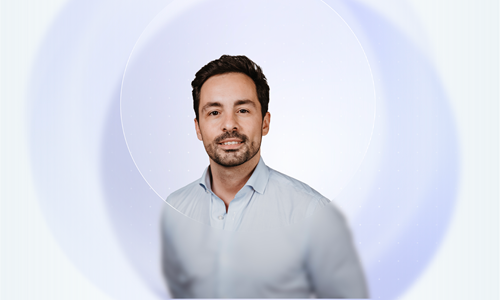
SCIEX OS software in practice: Customer voices, real results
Rafa Terán, General Manager, Smartbio Analytics
Hear directly from Rafa's experience implementing SCIEX OS software. Learn how digital workflows can improve productivity, strengthen compliance, and help future-proof laboratory operations.
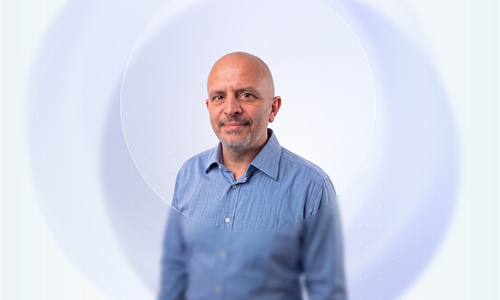
Inside the SCIEX OS software journey: Customer questions & insights
Federico Pastori, LIMS Consultant, LabWare
Learn from Federico as he shares his experience with adopting SCIEX OS and managing the migration. He answers commonly asked questions about SCIEX OS and how his lab found the journey.
Biomedical and omics research
From single-cell proteomics to novel lipid discovery, advanced mass spectrometry workflows are enabling deeper biological insights and accelerating innovation. Discover how researchers are advancing proteomics, multiomics, and therapeutic development with next-generation analytical technologies.

From single-cell to diverse proteomics applications
Tim Heymann, PhD, Mass Spectrometry Specialist, Max Planck Institute of Biochemistry (Mann Lab)
Discover how the ZenoTOF 8600 system supports proteomics workflows ranging from single-cell analysis to deep proteome profiling and ultra-high-throughput studies. Learn how ZT Scan DIA delivers improved performance over conventional Zeno SWATH DIA, enabling deeper coverage, robust quantification, and high-throughput analysis on a single platform.
- Quantify more than 4,000 protein groups from single cells and up to 10,000 from bulk samples
- Achieve robust proteomics at throughput levels of up to 500 samples per day
- Discover how ZT Scan DIA outperforms conventional Zeno SWATH DIA across multiple proteomics workflows

EAD provides new insights into human biology with deep glycome analysis
Bogdan Budnik, Director, Multi-omics Discovery Engine, Wyss Institute
Human glycosylation is remarkably complex, with subtle structural differences playing important roles in biology and disease. This presentation explores how EAD is advancing glycomics by enabling deeper characterization of glycan heterogeneity and providing richer structural insights into human glycosylation patterns.
- Characterize glycan heterogeneity with greater structural detail
- Leverage EAD to gain deeper insight into complex glycosylation patterns
- Advance glycomics research with richer and more informative data

The use of ZT Scan DIA to increase the coverage of novel conjugated lipids
Alex Dickens, PhD, Research Council of Finland Fellow, University of Turku
Enhanced MS/MS sensitivity with ZT Scan DIA on the ZenoTOF 8600 system is enabling deeper characterization of novel conjugated lipids and more confident analysis of complex biological samples. Discover approaches for generating high-quality spectral data to support lipid identification and quantification in challenging matrices.
- Increase MS/MS sensitivity for deeper characterization of novel conjugated lipids
- Generate high-quality spectra for more confident lipid identification and quantification
- Support robust analysis of complex biological matrices with enhanced sensitivity
Food and environmental
Food and environmental scientists are using advanced mass spectrometry workflows to address critical challenges in food safety, authenticity, contaminant monitoring, and environmental protection. Learn how innovative analytical approaches are delivering the insights needed to support safer, more sustainable systems.

Trust, but verify: Mass spectrometry for food authenticity, safety and human exposure
Dr. Awanwee Petchkongkaew, Associate Professor and Director, Center of Excellence in Global Food Security, Thammasat University
From food authenticity to human exposure assessment, mass spectrometry is helping generate the analytical evidence needed to support safer and more secure food systems. This presentation highlights applications spanning seafood and halal authentication, biogenic amine detection, and mycotoxin exposure monitoring through urinary biomarkers.
- Verify food authenticity and integrity using mass spectrometry-based approaches
- Assess food safety risks from contamination through to human exposure
- Generate the analytical evidence needed to support informed decisions and consumer trust

Evaluating the relative importance of polyfluoroalkyl substances in AFFF-impacted soils
Sara Jones, Graduate Researcher, Colorado School of Mines
PFAS contamination at AFFF-impacted sites extends beyond routinely monitored compounds. Learn how LC-HRMS workflows were used to characterize PFAS diversity across multiple contaminated sites, revealing important precursor compounds and providing deeper insight into environmental contamination profiles.
- Reveal PFAS compounds and precursors that may be missed by conventional approaches
- Improve characterization of AFFF-impacted sites with LC-HRMS workflows
- Explore strategies for addressing PFAS diversity beyond targeted analyte lists

Novus V55 system for routine pesticide screening
Guillaume Morin, Head of R&D, GIRPA
Evaluate the novus V55 system for high-throughput pesticide residue screening across diverse plant matrices using existing chromatographic conditions and MRM transitions. See how the system delivered performance comparable to the SCIEX 5500 system while increasing productivity, reducing energy consumption, and minimizing laboratory footprint.
- Comparable performance to the SCIEX 5500 system for routine pesticide screening
- Up to 3.3× higher productivity using existing MRM methods
- Up to 79% lower energy consumption per sample

Machine learning-guided identification and monitoring of halogenated compounds in drinking water
Tingting Zhao, Postdoctoral Researcher, University of Alberta
Machine learning and non-targeted LC-HRMS are expanding the ability to identify previously unrecognized halogenated compounds in drinking water. This presentation highlights a workflow for discovering, identifying, and monitoring halogenated contaminants, combining advanced data analysis with targeted quantification for environmental monitoring.
- Reveal previously unrecognized halogenated contaminants in drinking water
- Increase confidence in compound identification using LC-HRMS and MS/MS workflows
- Accelerate large-scale screening and monitoring with machine learning-driven tools
Q&A roundtables
You asked, our experts share their research, insights, and ideas. Hear from panelists exploring the latest technological advancements transforming quantitative research.
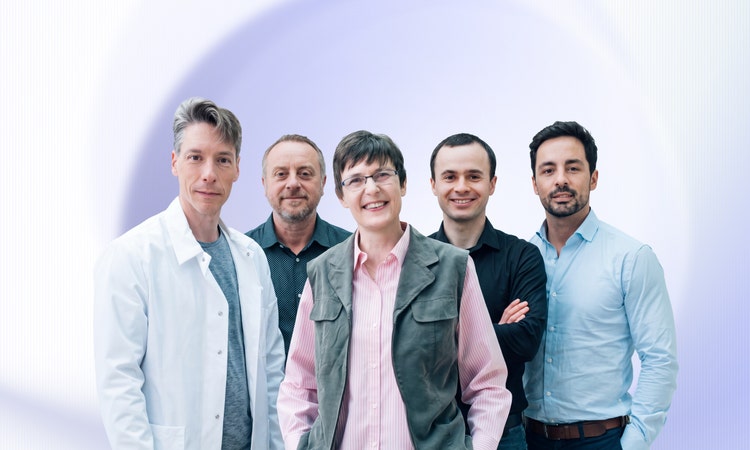
The future of mass spectrometry
Moderated by: Jamie Wighton, Senior Director, LCMS Research, SCIEX
Panelists include:
Rafa Terán, Smartbio Analytics
Tim Heymann, Mann Lab (Max Planck)
Neal Liddle, Iambic
Jose Castro-Perez, VP, SCIEX
Birgit Schilling, Buck Institute for Research on Aging
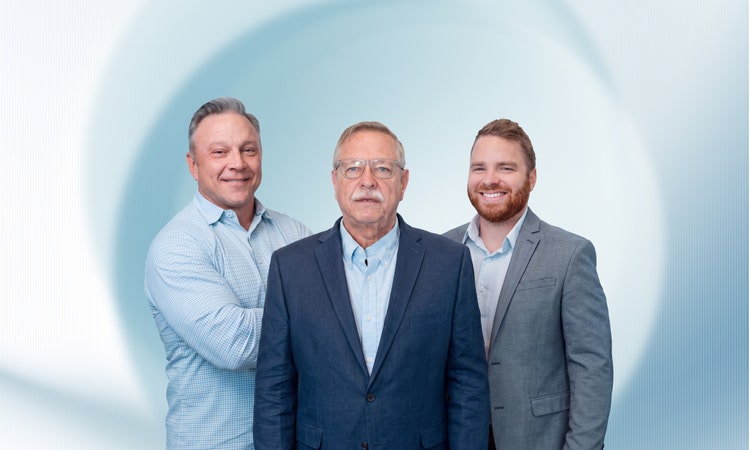
Shaping the future of bioanalysis and MetID
Moderated by: Todd Stawicki, Senior Manager, Global Pharma Discovery Market, SCIEX
Panelists include:
Shane Needham, Veloxity
Tim Snow, QPS
Ryan Darling, KCAS Bio
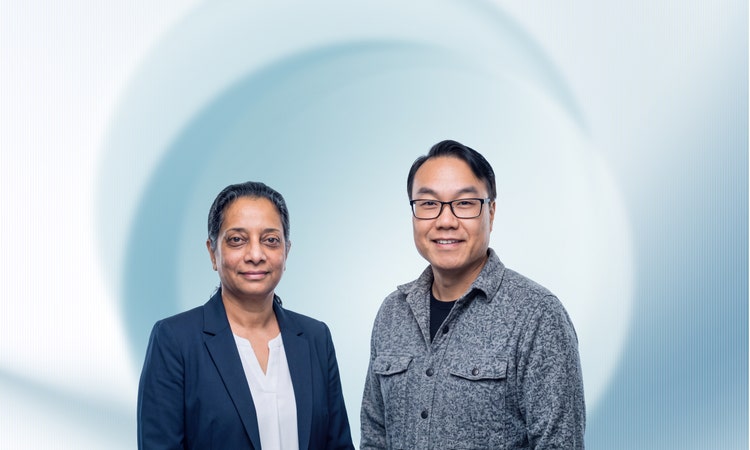
The future of biotherapeutic analysis with HRMS
Moderated by: Paula Orens, Senior Manager, Global Biopharma Discovery Market, SCIEX
Panelists include:
Lata Venkatarangan, QPS
Lin-Zhi Chen, Boehringer Ingelheim Pharmaceuticals
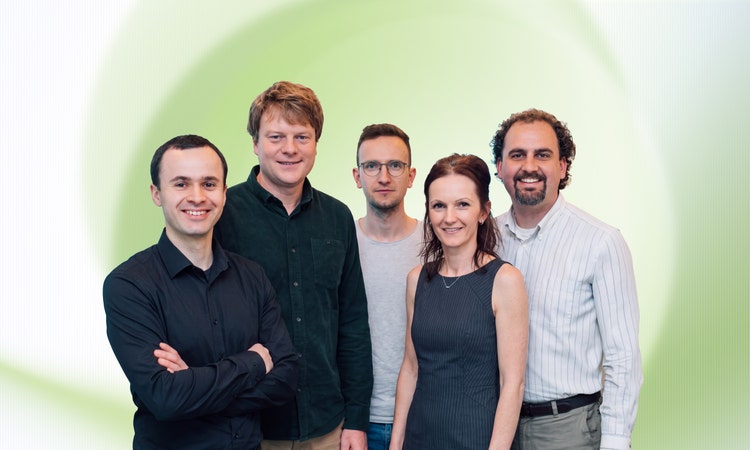
ZT Scan DIA: Rethinking omics workflows
Moderated by: Katherine Tran, Senior Manager, Global Proteomics Market, SCIEX
Panelists include:
Alex Dickens, University of Turku
Tim Heymann, Mann Lab
Kristina Jurcic, Bioinformatics Solutions Inc.
Steffen Heuckeroth, mzio
Paul Baker, SCIEX
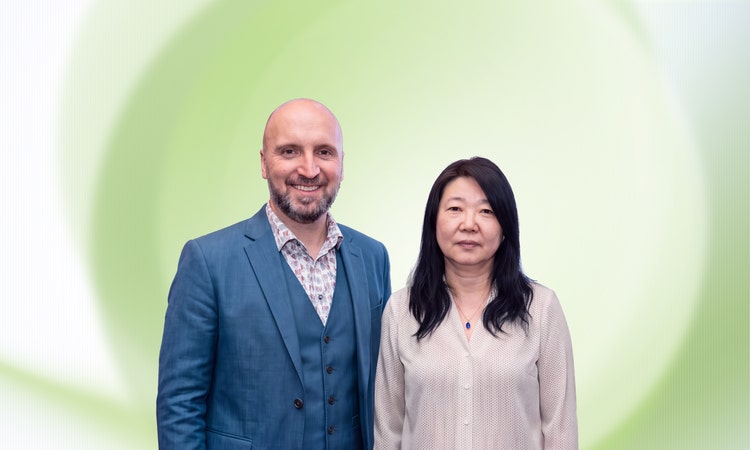
Advances in food safety and PFAS analysis
Moderated by: Holly Lee, Staff Scientist, Global Food & Environmental Applications, SCIEX
Panelists include:
Georg Pfefferer, Phenomenex
Jianru Stahl-Zeng, SCIEX