


PFAS eBook
Stay ahead of evolving PFAS challenges with practical guidance on regulations, workflows, and analytical technologies
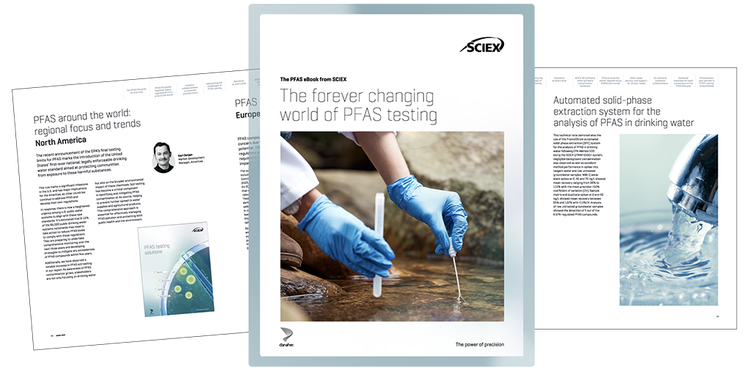

Workflows and solutions
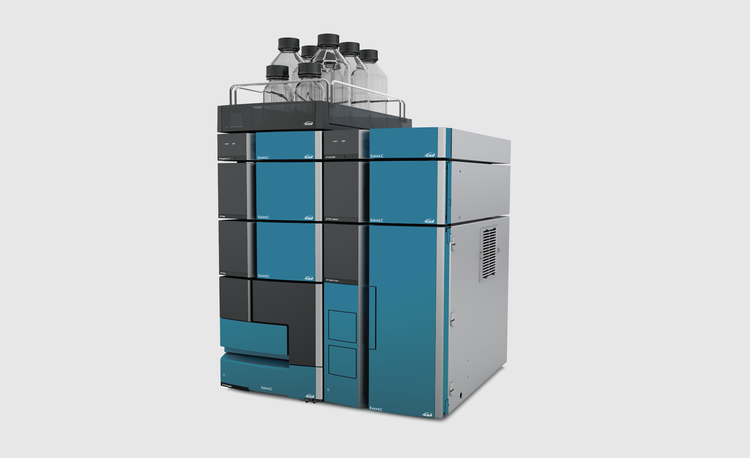
ExionLC AE system
The ExionLC AE system is a high-performance LC system that marries precision and speed to match the challenges of your laboratory. Benefit from seamless integration with your preferred SCIEX mass spectrometer and take advantage of the renowned service and application support from SCIEX.
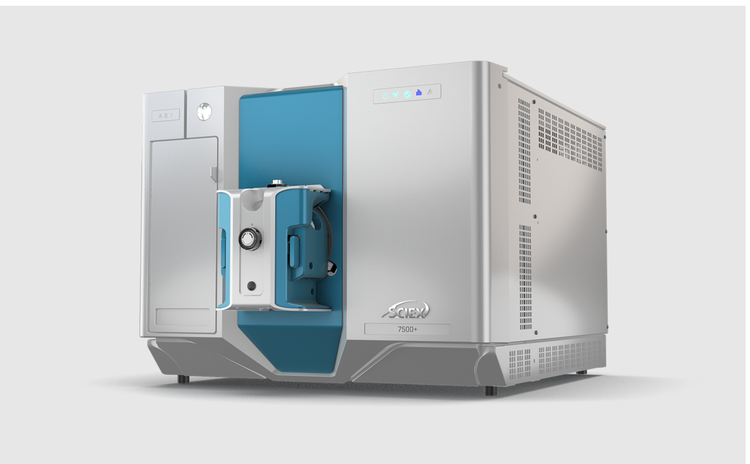
SCIEX 7500+ system
Leveraging high sentivitiy to enable direct injection (simple sample prep and low contamination), while still maintaining low ng/L LOQs. Engineered for ultra-sensitive and robust quantitation of PFAS across diverse matrices. Enhanced resilience and sensitivity, particularly in complex sample environments. Now featuring validated direct-injection LC-MS/MS workflows, the system enables streamlined PFAS analysis without the need for extensive sample preparation.
ExionLC AE system
The ExionLC AE system is a high-performance LC system that marries precision and speed to match the challenges of your laboratory. Benefit from seamless integration with your preferred SCIEX mass spectrometer and take advantage of the renowned service and application support from SCIEX.
SCIEX 7500+ system
Leveraging high sentivitiy to enable direct injection (simple sample prep and low contamination), while still maintaining low ng/L LOQs. Engineered for ultra-sensitive and robust quantitation of PFAS across diverse matrices. Enhanced resilience and sensitivity, particularly in complex sample environments. Now featuring validated direct-injection LC-MS/MS workflows, the system enables streamlined PFAS analysis without the need for extensive sample preparation.
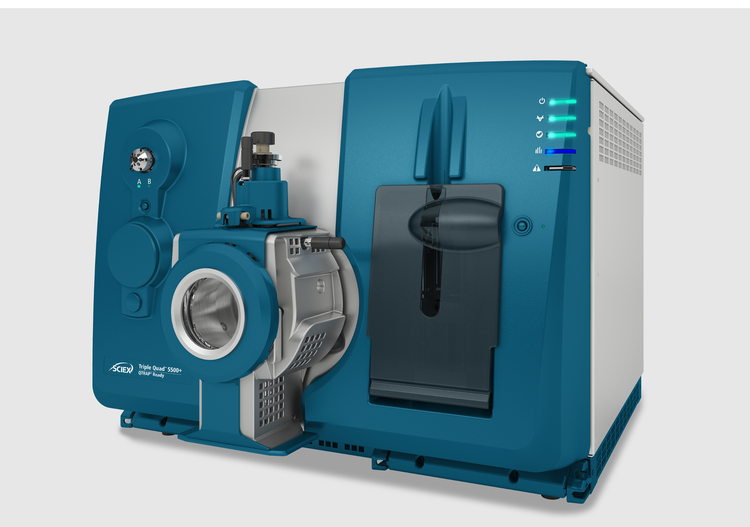
SCIEX 5500+ system
A high-performance workhorse designed to support sensitive and reliable routine quantitation of drinking water samples. It is QTRAP-ready and well-suited for laboratories conducting routine water testing under regulatory frameworks.
ExionLC AE system
The ExionLC AE system is a high-performance LC system that marries precision and speed to match the challenges of your laboratory. Benefit from seamless integration with your preferred SCIEX mass spectrometer and take advantage of the renowned service and application support from SCIEX.
SCIEX 7500+ system
Leveraging high sentivitiy to reduce matrix load to enhance robustness, whilst still maintaining low ng/L LOQs. Engineered for ultra-sensitive and robust quantitation of PFAS across diverse matrices. Enhanced resilience and sensitivity, particularly in complex sample environments such as wastewater and soil. Now featuring Mass Guard technology, the innovative ion filtering technology that reduces the risk and frequency of instrument contamination, maintaining our highest sensitivity for up to twice as long.
SCIEX 5500+ system
A high-performance workhorse designed to support sensitive and reliable routine quantitation of food samples. Equipped with Curtain gas technology to maintain instrument uptime. It is QTRAP-ready and well-suited for laboratories conducting routine food testing under regulatory frameworks.
ExionLC AE system
The ExionLC AE system is a high-performance LC system that marries precision and speed to match the challenges of your laboratory. Benefit from seamless integration with your preferred SCIEX mass spectrometer and take advantage of the renowned service and application support from SCIEX.
SCIEX 7500+ system
Leveraging high sensitivity to meet the EU regulations and AOAC guidelines for PFAS in food, while maintaining low ng/g LOQs. Engineered for ultra-sensitive and robust quantitation of PFAS across diverse food matrices. Enhanced resilience and sensitivity, particularly in complex samples. Now featuring Mass Guard technology, the innovative ion filtering technology that reduces the risk and frequency of instrument contamination, maintaining our highest sensitivity for up to twice as long.
ExionLC AE system
The ExionLC AE system is a high-performance LC system that marries precision and speed to match the challenges of your laboratory. Benefit from seamless integration with your preferred SCIEX mass spectrometer and take advantage of the renowned service and application support from SCIEX.
SCIEX 5500+ system
A high-performance workhorse designed to support sensitive and reliable routine quantitation. Equipped with Curtain gas technology to maintain instrument uptime. It is QTRAP-ready and well-suited for laboratories conducting routine testing under regulatory frameworks.
SCIEX 7500+ system
Leveraging high sensitivity to reduce matrix load to enhance robustness, whilst still maintaining low ng/g LOQs. Engineered for ultra-sensitive and robust quantitation of PFAS across diverse matrices. Enhanced resilience and sensitivity, particularly in complex sample environments such as wastewater and soil. Now featuring Mass Guard techology, the innovative ion filtering technology that reduces the risk and frequency of instrument contamination, maintaining our highest sensitivity for up to twice as long.
ExionLC AE system
The ExionLC AE system, paired with the dedicated PFAS testing kit, delivers ultra-low background and minimal carryover, ensuring accurate quantitation of per- and polyfluoroalkyl substances (PFAS) even at trace levels. This solution empowers analysts to meet stringent regulatory standards with confidence.
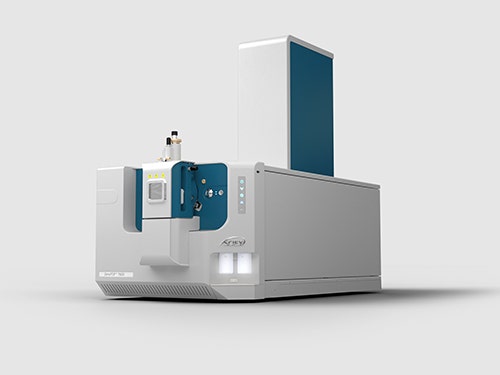
SCIEX 7600+ system
A high-resolution mass spectrometry (HRMS) platform designed for advanced PFAS analysis. It leverages the Zeno trap for high-quality MS/MS fragmentation spectra for improved compound detection. Electron activated dissociation (EAD) feature enables alternative fragmentation for improved diagnostic ion identification.
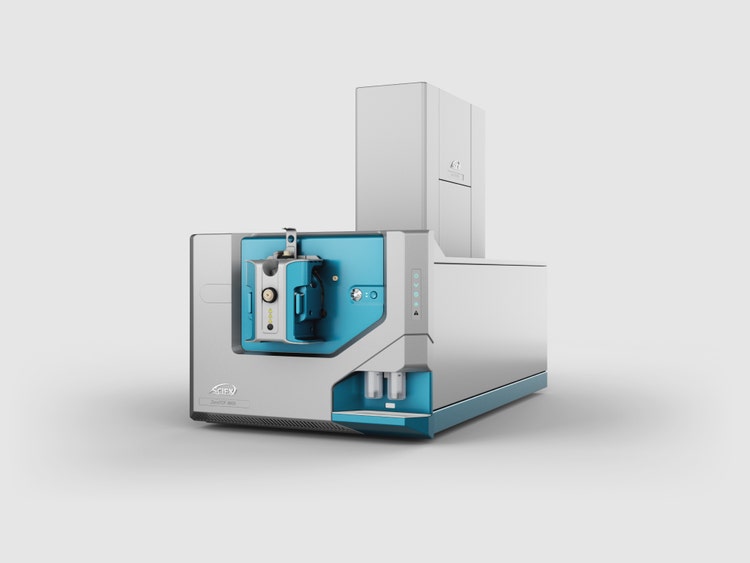
SCIEX 8600 system
The latest high-resolution mass spectrometry (HRMS) platform, combining the Zeno trap with electron-activated dissociation (EAD), delivers exceptional sensitivity, speed, and precision when the ultimate sensitivity is needed.
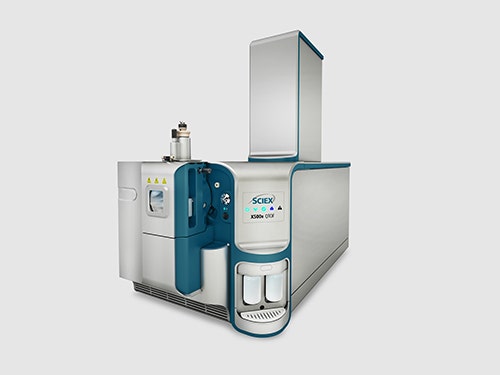
SCIEX X500R QTOF system
Designed for both targeted and non-targeted PFAS analysis. It offers quantitation capabilities comparable to triple quadrupole systems, while enabling broader compound discovery through accurate mass workflows.
SCIEX How
SCIEX How is your launchpad for exploration - charting SCIEX technologies with step‑by‑step analytical methods, precise acquisition parameters (MRM/HRMS, source/ion optics), and validated materials lists. Navigate from hypothesis to high‑confidence, reproducible results - faster.
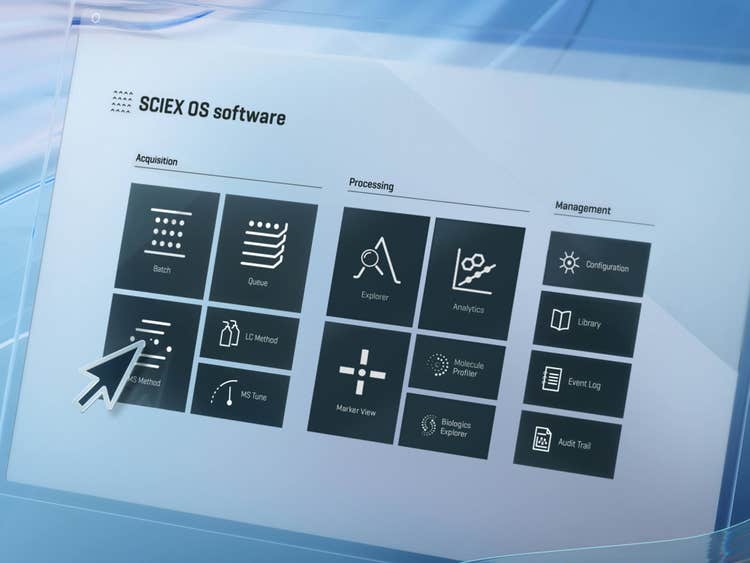

Achieve better data. Report with confidence.
Access trusted spectral libraries for faster, more confident compound identification. From pesticides and mycotoxins to antibiotics and PFAS-related fluorochemicals, SCIEX libraries help streamline screening and improve confidence in your results
Which library is right for your workflow?

Craig M. Butt
Senior Manager, Scientific Marketing, Applied Markets

Simon Roberts
Staff Application Scientist - New Market Development, Americas

Karl Oetjen
Market Development Manager, Environmental, Food & Beverage

Megumi Shimizu
Senior Application Scientist

Holly Lee
Global Technical Marketing, Food

Jianru Stahl-Zeng
Senior Technical Marketing Manager

Michael Scherer
Applications Lead, Food and Environmental

Sam Lodge
Senior Business Development Manager

Luigi Margarucci
Senior Scientist and Application Specialist

Start your PFAS journey with SCIEX today
Get the tools and protocols you need for fast, robust and accurate quantification of trace PFAS levels in drinking water. Download the beginners guide to detect, quantify and identify PFAS and GenX compounds with confidence

PFAS analysis FAQs
What are the challenges in PFAS analysis?
PFAS analysis is challenging due to ultratrace detection limits, high contamination risk, complex sample matrices, and a rapidly expanding list of regulated and emerging compounds. Reliable workflows must balance sensitivity, robustness, and defensible data quality across methods and matrices.
What are the current regulations and standards for PFAS analysis?
PFAS regulations continue to evolve globally, with formalized methods such as U.S. EPA drinking water methods (such as EPA 533 and 537.1) and comprehensive approaches such as EPA Method 1633 for multiple matrices. Laboratories must stay prepared for expanding compound lists and lower reporting limits.
Which PFAS compounds should I include in my testing panel?
Most testing panels include regulated legacy PFAS while expanding to short‑chain, ultrashort‑chain, and emerging compounds as required by regulations, site‑specific risk, or customer needs. Flexible workflows help laboratories adapt as compound lists grow.
Which method should I use? Is EPA 1633 required?
The appropriate method depends on your sample matrix, regulatory context, and reporting requirements. EPA Method 1633 is widely adopted for multi‑matrix testing, while other EPA methods may be appropriate for specific applications such as drinking water compliance testing.
How do I avoid PFAS contamination in my workflow?
PFAS contamination can arise from labware, solvents, consumables, and sample handling. Using PFAS‑aware workflows, validated materials, and contamination‑control best practices helps minimize background and improve data confidence.
What instruments are best for PFAS analysis?
High‑sensitivity LC‑MS/MS systems are commonly used for routine PFAS quantitation, while high‑resolution mass spectrometry can support screening and confirmation of emerging compounds. Instrument stability, background control, and sensitivity are critical selection factors.
What sample preparation is best for my matrix?
Sample preparation depends on the matrix, target compounds, and detection limits. Options range from direct injection to more extensive cleanup approaches, with the goal of balancing sensitivity, contamination control, and throughput.
How do I deal with short‑chain and ultrashort‑chain PFAS?
Short‑ and ultrashort‑chain PFAS require specialized workflows due to poor retention, high polarity, and background interference. Optimized chromatography and high‑sensitivity detection are key to achieving reliable quantitation.
How do I future‑proof my PFAS method as regulations evolve?
Future‑proofing requires flexible workflows that support expanding analyte lists, lower detection limits, and new matrices. Platforms that adapt to both targeted and broader screening needs help laboratories stay ahead of regulatory change.
How do I speed up data-processing and report generation in my PFAS workflow?
Streamlined data processing tools and integrated workflows reduce manual review, support consistent quantitation, and simplify reporting, helping laboratories improve turnaround time without sacrificing data quality.
What are the main differences between EPA Method 1633 and other PFAS testing methods?
EPA Method 1633 is designed for broad PFAS coverage across multiple matrices, while other EPA methods are more narrowly focused on specific applications such as drinking water. Method selection affects sample prep, compound coverage, and reporting scope.
How do I prepare samples according to EPA Method 1633 for PFAS analysis?
EPA Method 1633 defines standardized preparation and quality requirements that vary by matrix. Laboratories typically implement validated workflows that align with method requirements while optimizing efficiency and contamination control.
What are the most effective tools for analyzing PFAS levels in environmental samples?
Effective PFAS analysis combines sensitive instrumentation, optimized chromatography, reliable sample preparation, and software tools that support confident quantitation and defensible reporting across environmental matrices.