Allergens can be life-threatening to susceptible individuals, so the ability to reliably detect them in food is critical. The ultra-high sensitivity of SCIEX triple quadrupole systems enables food testing laboratories to perform this task successfully and help make the world a safer place for those with food allergies.
Food allergens testing

A comprehensive mass spectrometry solution for allergen testing
In recent years food allergens testing has risen to the top of food testing priorities. As food allergies and labeling requirements continue to increase worldwide, so does the demand for testing. The biggest challenges laboratories face with food allergen testing are sample preparation and choosing the right technologies.
To help laboratories with these challenges, SCIEX offers a proven solution that combines triple quadrupole mass spectrometry with ready-to-go allergen methods to provide the specificity and sensitivity needed to keep food products safe and meet labeling requirements and regulations.
-
Technical note
Intelligent screening for food allergens by Scout triggered MRM
Cycle time savings from stMRM produces better-defined peaks for integration and reduced MRM concurrency can enable larger RT windows to mitigate against RT shifts by accommodating new analytes or more confirmatory transitions.
-
Technical note
Targeted quantitation of milk and egg allergens in vegan foods
This technical note demonstrates a sample preparation and LC-MS/MS method for the determination of milk and egg allergens in vegan and conventional foods.
Testimonial
Detecting allergens at low levels in processed foods
AOAC-accredited method for allergen testing
Some of the most important regulated food allergens worldwide are nuts, cereals, eggs, milk and crustaceans. The EU incorporates the highest number of allergen commodities in its regulation EU FIC: N°1169/2011. In the US, allergens are regulated under the FASTER Act which added sesame to the list of major food allergens in 2023.
Currently, 2 major technologies are used to measure allergens: mass spectrometry and ELISA (enzyme-linked immunosorbent assay). The most important advantages of mass spectrometry are that multiple allergens can be measured simultaneously and mass spectrometry is largely unaffected by changes caused by certain food processing steps, such as baking. In addition, cross-reactivity is not observed with mass spectrometry and methods are easy to expand by the user by adding more analytes like peptides to existing target lists.
Matrices such as nuts and cereal with high carbohydrate, protein and fat content are inherently prone to causing complications during analysis, which can affect sensitivity and robustness. SCIEX has developed and evaluated methods that solve these challenges. Our sample preparation method in combination with our robust source design provides a powerful toolset to help you succeed.
But don't just take our word for it.
Our method is AOAC accredited for First Action AOAC Official Method status and meets the minimum method performance requirements stated in AOAC SMPR 2016.002.

SCIEX OS software
Unleash the analytical power of the next-generation software platform for data acquisition and processing.
Learn more
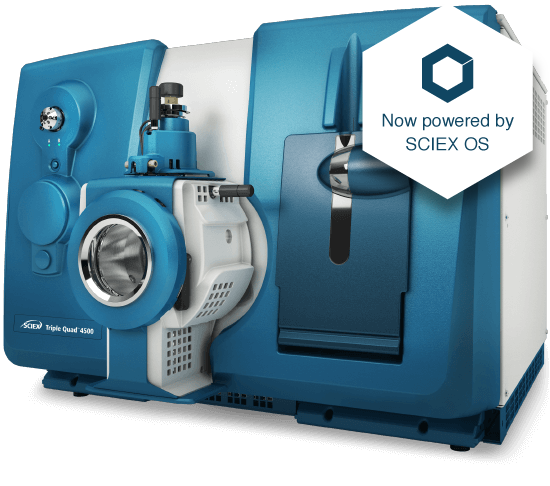
SCIEX Triple Quad 4500 system
When your lab is faced with lots of samples and impending deadlines, you can't afford an unreliable mass spectrometry system that might crack when faced with pressure. The SCIEX Triple Quad 4500 system is designed to meet critical needs and avoid putting your lab or reputation at risk.
Learn more
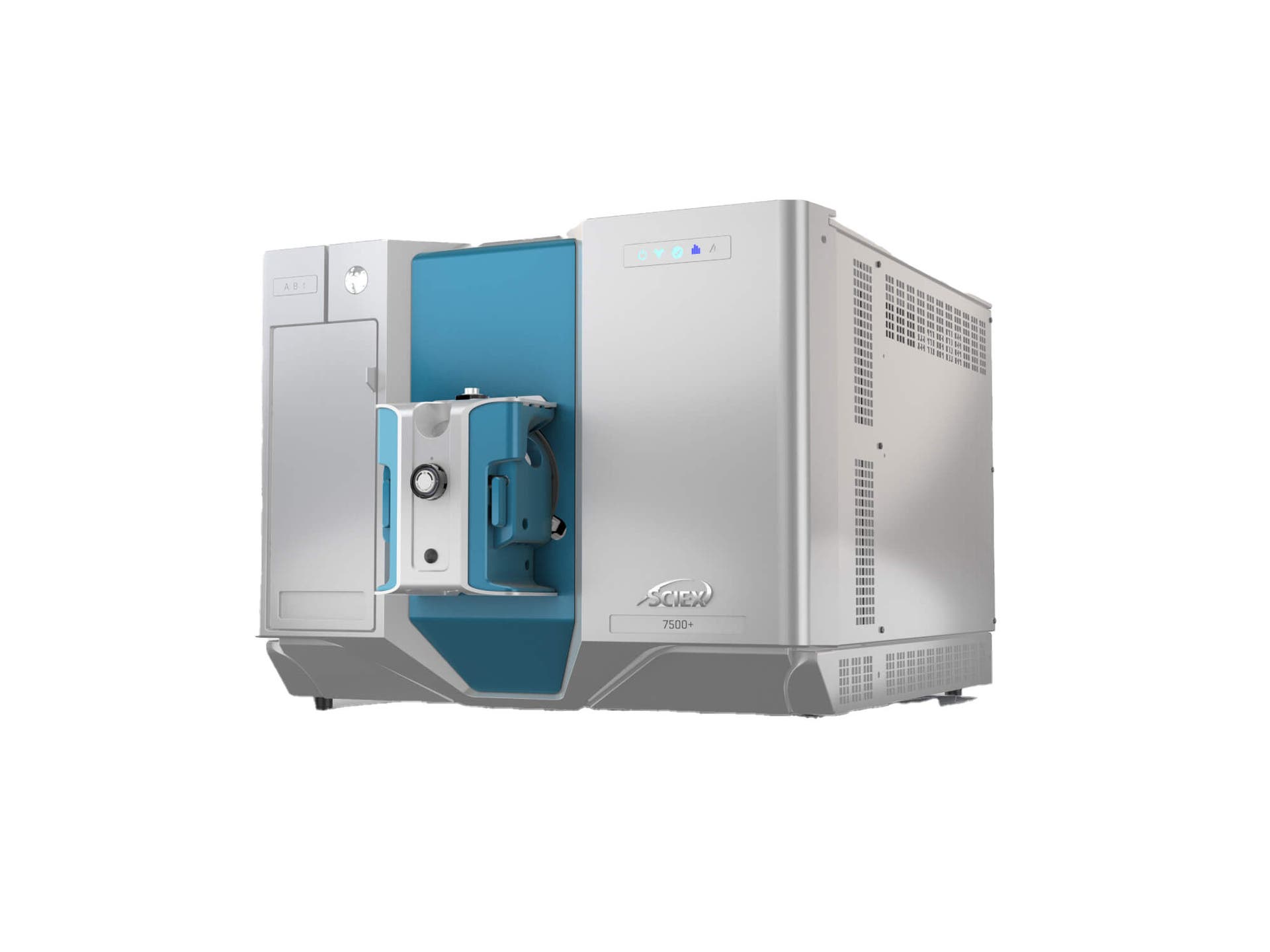
SCIEX 7500+ system
Setting a new standard for instrument resilience and robustness, the SCIEX 7500+ system gives you the confidence to face evolving analytical challenges. Tackle tight timelines with exceptional sensitivity and with the power to control your instrument downtime.
Learn more
All resources
Filter:
-
Technical note
Simultaneous analysis of 12 food allergens in baked and raw food products using the LC-MS/MS QTRAP 4500 system
We have developed a multi-allergen screening tool using an LC-MS/MS method that can detect 12 food allergens in commercial products.
-
Technical note
Detection of sesame peptides and 12 other food allergens using the SCIEX vMethod for food allergen testing
Here, two peptides from specific sesame proteins were selected and MRM transitions were added to the SCIEX vMethod for food allergen testing.
-
Publication
Journal of AOAC INTERNATIONAL: Simultaneous Analysis of Multiple Allergens in Food Products by LC-MS/MS
The method demonstrated excellent sensitivity with a method quantitative limit of 3 ppm for whole egg and 10 ppm for the remaining three allergen commodities.
-
Technical note
A Highly Selective and Sensitive LC-MS/MS Method for the Quantification of Gluten Proteins
The method was able to detect accurately gluten protein concentration as low as 5 ppm with a CV less than 20%