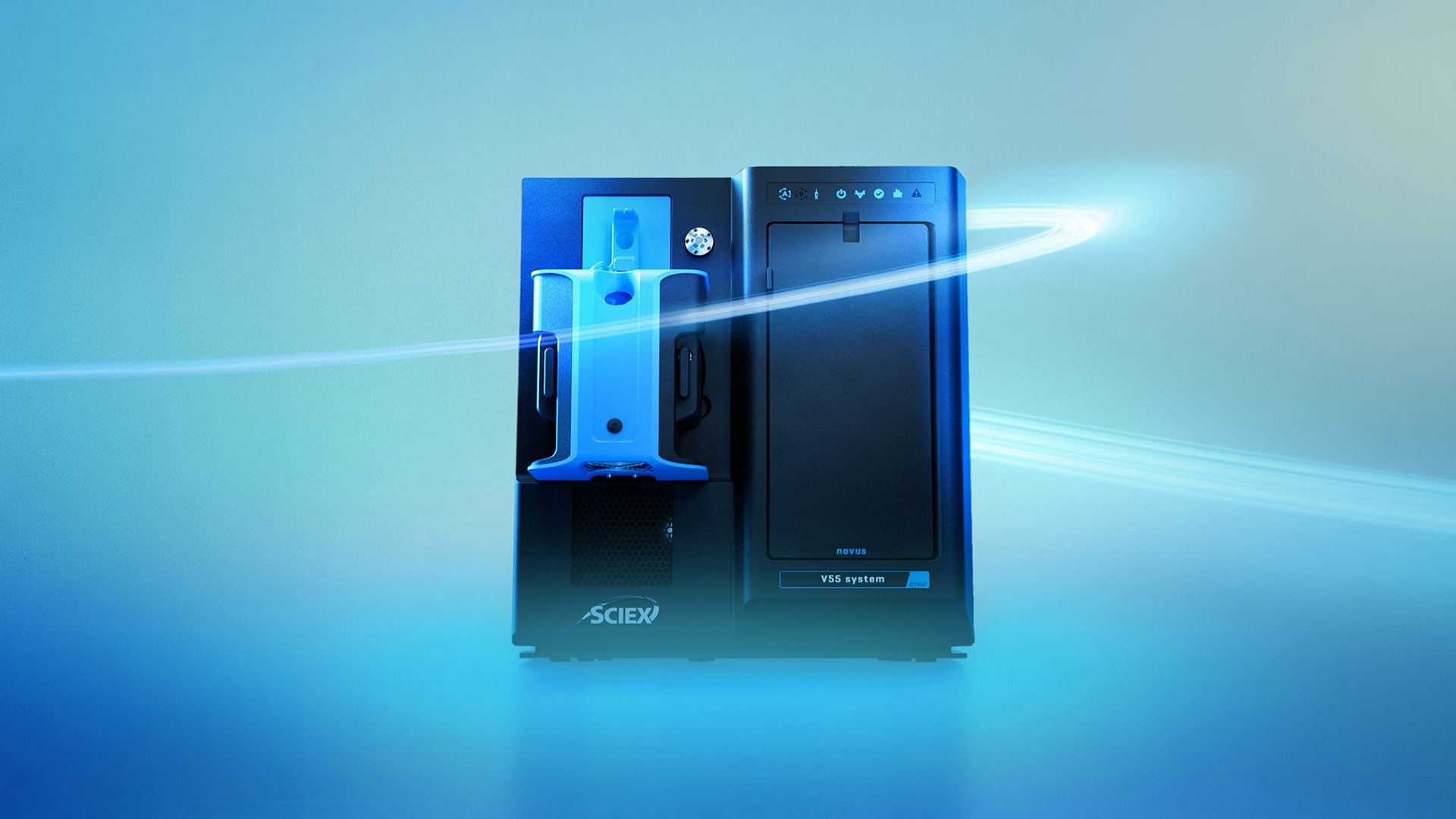
novus V55 system

Quantify your impact

In high‑throughput laboratories, return on investment is driven by far more than instrument price alone. True ROI comes from faster turnaround times, predictable uptime, lower operating costs, and the ability to do more with the space and resources you already have.

The novus V55 system was designed with these requirements in mind - helping laboratories increase throughput, reduce energy and cooling demands, minimize re‑runs, and protect daily revenue through dependable performance.

Use the calculator below to see how these factors can translate into measurable financial impact for a lab based on certain operating conditions. 
 

Speed that transforms throughput

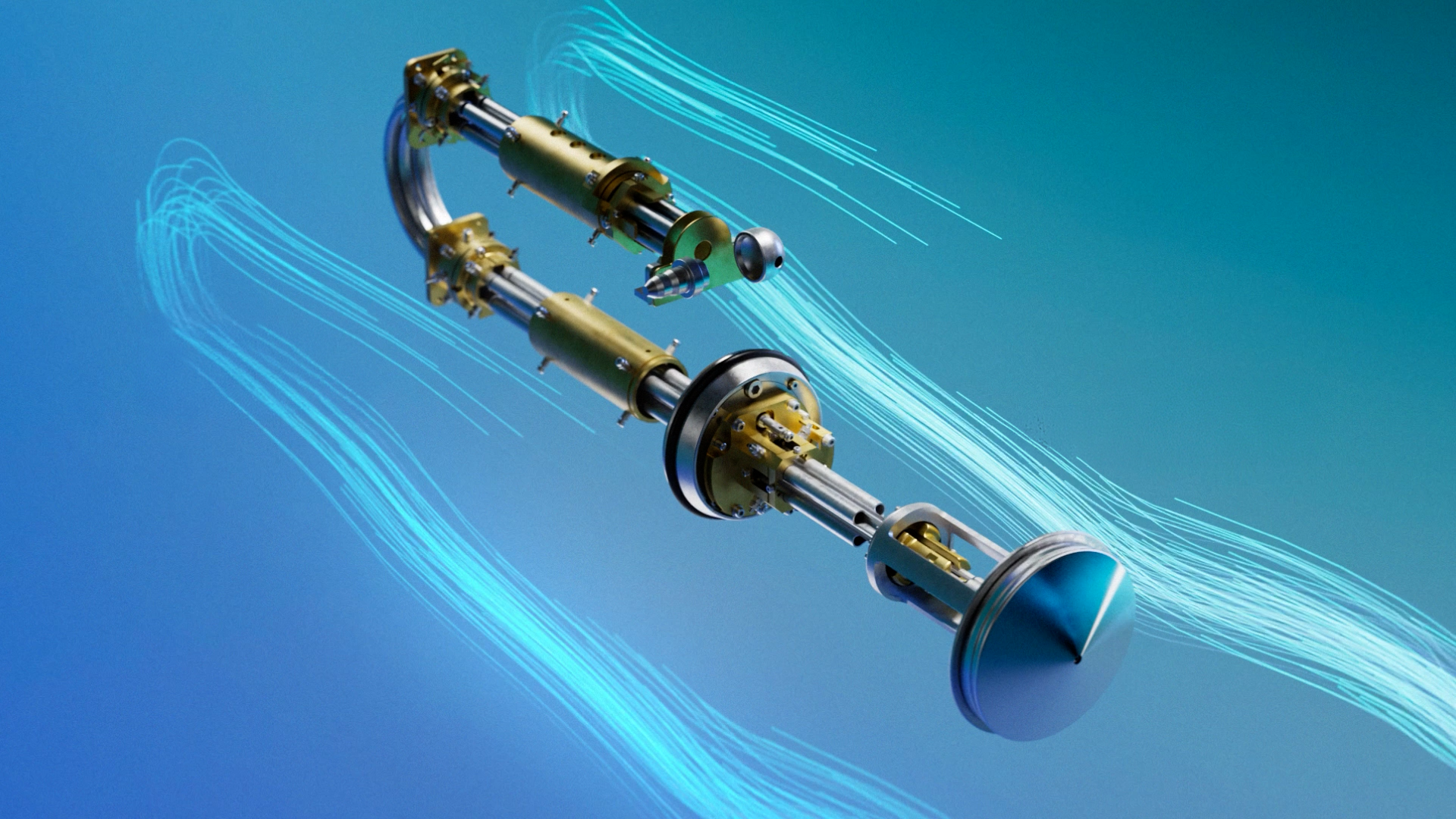
Traditional systems running at or around 500 MRMs per second are limited in how compressed a method can become, as data quality eventually suffers due to peak capacity and sampling frequency. The novus V55 with acceleratedMRM (aeMRM) changes this dynamic. With the capability of acquiring up to 1,000 MRMs per second, aeMRM supports higher throughput, greater analyte coverage and flexible method design – all without losing quantitative fidelity. Customers can combine methods or shorten run times and expand testing capabilities, while maintaining integration integrity.

This faster speed of acquisition transforms throughput while maintaining consistent performance enabling customers to process more samples per week, see an increase in potential annual revenue, and experience faster turnaround times- improving their customer satisfaction and retention.

Use the calculator to find your estimated annual ROI

This content is intended for informational purposes only; actual impact must be validated in a real laboratory setting, thus please review all illustrative return scenarios accordingly.  Total run time is held constant in this model. Adjust the sliders to explore how changes in key variables may influence projected outcomes.


Current

Estimated

Annual Revenue: Current vs New

Weekly Sample Throughput

Annual Energy + Cooling Spend

Energy Cooling

*For research use only, not for use in diagnostics.

Built for business impact

By enabling faster method run times (as compared to an instrument running at 500 MRMs/ second) without sacrificing data quality, the novus V55 system with aeMRM allows labs to acquire more samples in the same amount of time.

And by reducing the time required per sample, labs can process more samples in the same time window – unlocking additional capacity.  Increase sample throughput, process hundreds to thousands of additional samples annually, and expand testing panels allowing maximized utilization of the system.

At the same time, the novus V55 system enhances profitability through energy efficiency gains. Lower power consumption and reduced heat output compared to the SCIEX 5500+ system, the V55 decreases both direct electrical usage and the cooling burden on laboratory infrastructure.

Together, faster performance and better efficiency create a powerful and compounding effect on the bottom line.

SCIEX novus V55 system

The fifth‑generation SCIEX triple quadrupole LC-MS/MS system, the novus V55 system is a high-throughput quantitative solution that expands testing capabilities across food and environmental, pharma impurities, bioanalysis, and PFAS analysis. The result: productivity driven by high‑speed performance, gains in energy efficiency, and meaningful laboratory gains- delivered by the smallest SCIEX Triple Quadrupole.

Disclaimer: Operational costs are assay specific and may not align with the assumption in this calculator. Purchasing a mass spectrometer can be a significant expenditure for a laboratory. This calculator is provided for illustrative purposes only to assist in the analysis of the financial impact of your purchase. The information included in, and generated by, the calculator represents no statement or guarantee regarding cost, coverage or reimbursement for the product or services provided using the product. The calculator does not suggest any particular level of utilization of the product. The laboratory must decide whether to use the calculator and retains responsibility for product purchase decisions.