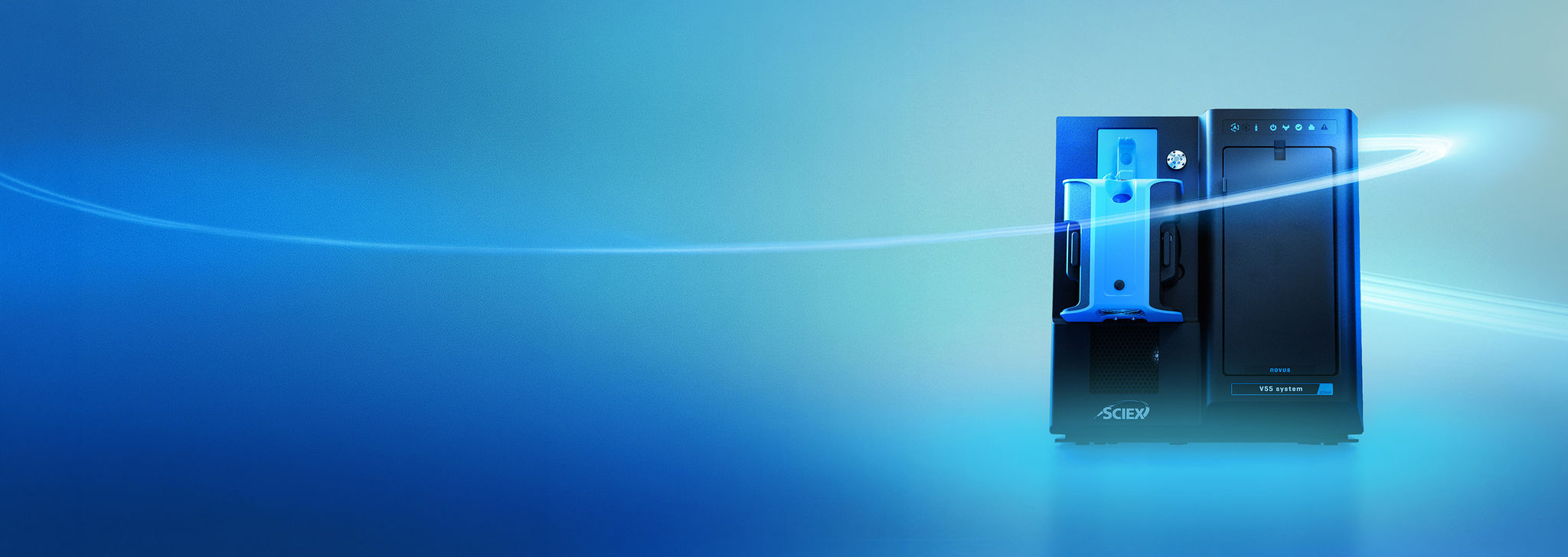
The novus V55 system is the fifth-generation triple quadrupole mass spectrometer built to help accelerate output, with reliable performance that supports smooth and consistent laboratory operation.
.jpg?quality=75&width=1920)
Designed for the realities of high-pressure, results-driven laboratory environments
Analytical laboratories across the world are being tasked to do more, with less. Less time, space, and fewer resources. The novus V55 system is a high-throughput quantitative solution that expands testing capabilities across regulated food, environmental and PFAS testing, pharmaceutical impurities, and bioanalysis workflows. The result: productivity driven by high‑speed performance, gains in energy efficiency, and meaningful laboratory gains delivered by the smallest triple quad in its class.
Fast. Reliable. Efficient.
Achieve enhanced laboratory productivity with up to 1,000 MRMs per second using accelerated MRM (aeMRM), while preserving integration integrity and quantitative accuracy. Benefit from up to 40%* greater energy efficiency compared to the SCIEX 5500+ system, and optimize lab space with a compact LC-MS. The smallest SCIEX triple quad offers a 35% smaller footprint than the SCIEX 5500+ system, delivering the same reliable, high-quality results.
The novus V55 system was designed to balance value and performance. Backed by decades of research and continuous improvement, get optimized performance, dependability, and efficiency so your lab can stay ahead of the competition with confidence.
*with the dry rough pump configuration
Speed that transforms throughput
Exceptional sensitivity for its class
Lower operational energy costs
Smaller footprint, bigger impact
Workflow expansion
Streamlined workflow compatibility
Robustness & reliability
SCIEX OS solutions, built-in

Features
acceleratedMRM (aeMRM)
Increase sample throughput with aeMRM: Run at acquisition rates of up to 1,000 MRMs per second and combine methods, shorten run times, and expand methods to drive your productivity.
Q0 acceleration electrodes
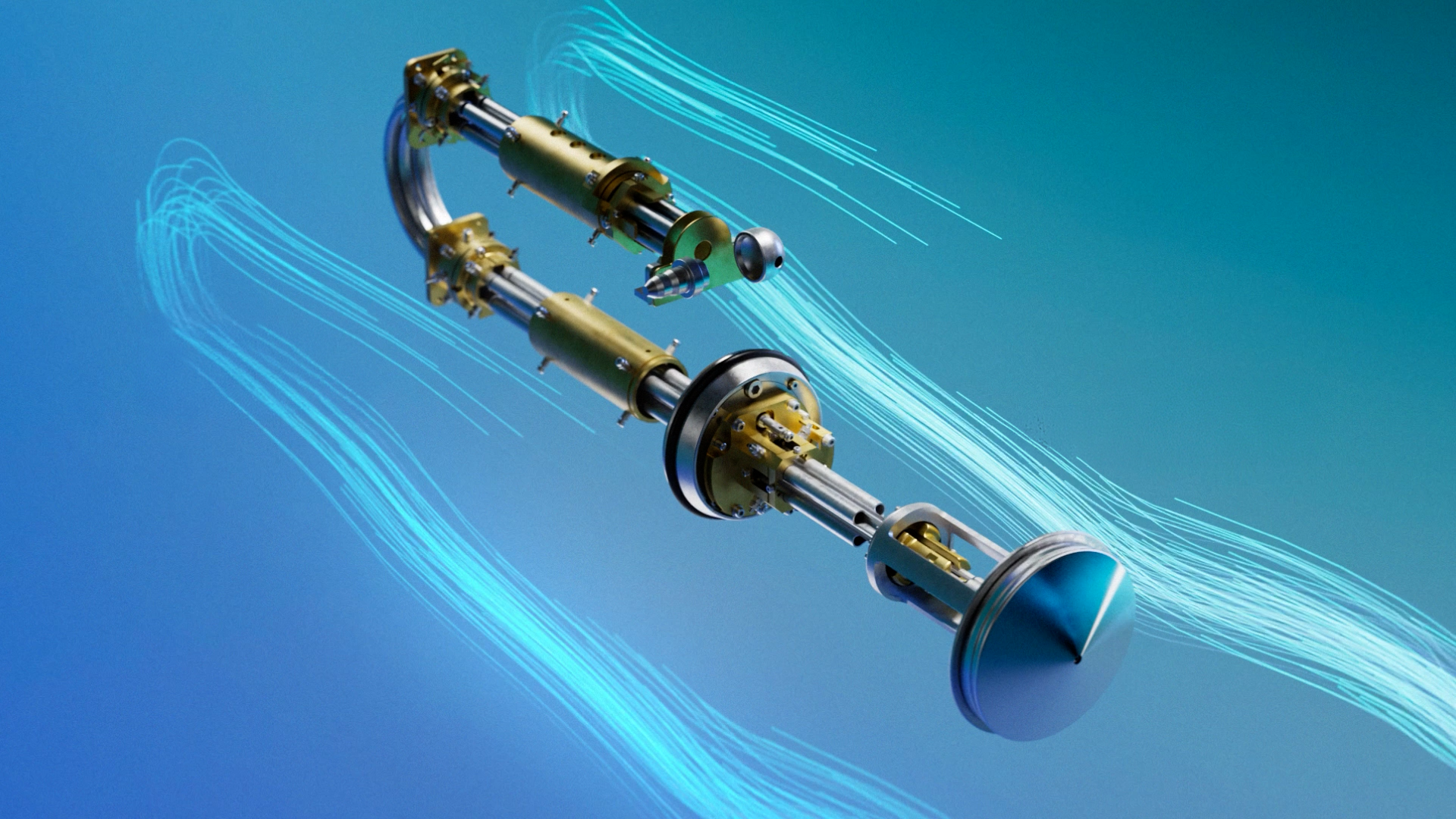
Together with updated software algorithms, Q0 acceleration electrodes deliver speeds of up to 1,000 MRMs per second, allowing you to transform your throughput.
Dry pump configuration
Lower your operational energy costs with an LC-MS that was engineered to deliver up to 40% savings compared to the SCIEX 5500+ system in both energy consumed and laboratory cooling requirements.
Reduced footprint
Built for modern lab demands, the 35% smaller footprint than the SCIEX 5500+ system allows you to maximize your current facilities without any performance trade-offs.
OptiFlow ion source
Built on the proven Turbo V source foundation, the latest OptiFlow ion source evolves proven technology into an optimization-free design that boosts sensitivity while eliminating setup guesswork, delivering reproducible results across users of all experience levels.
Full mass range
Expand workflows beyond small molecule quantitation and reduce method limitations or workarounds with a full mass range up to 2000 m/z. The novus V55 is fully compatible with your preferred LC system, LIMS support, and is CFR Part 11 compliant.
Robustness & reliability
By combining the dependable OptiFlow ion source with SCIEX curtain gas technology, laboratories can achieve consistently stable sensitivity with minimal maintenance or cleaning interventions.
SCIEX OS software
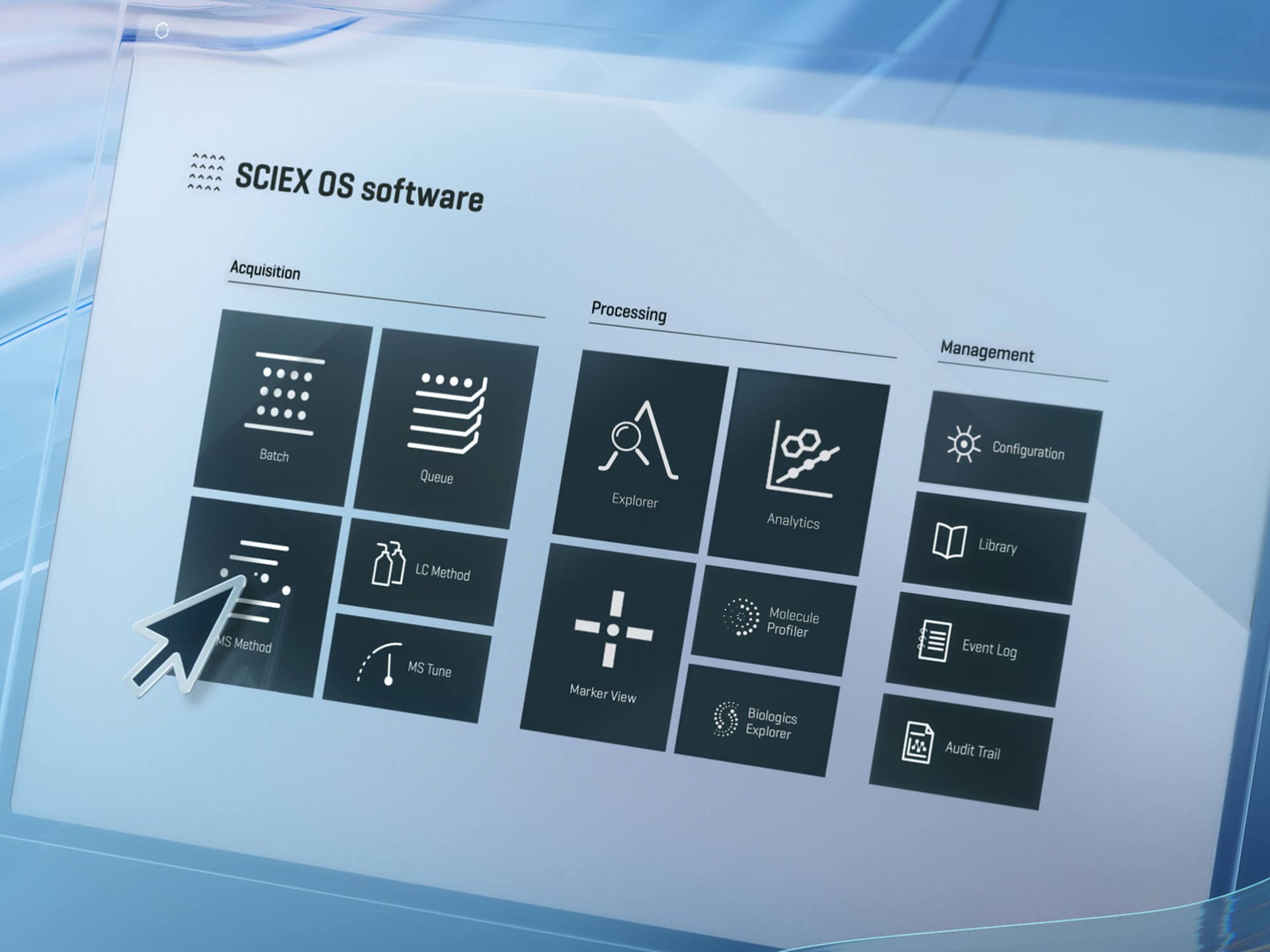
With new SCIEX OS software features such as easy monitoring and performance tracking, you can focus your attention on other tasks. Additionally, Admins can enable customized user profiles, trace performance, and efficiently manage multiple workstations with connected LC-MS systems from a single location with Central Monitoring console.

Triple quadrupole or QTRAP functionality: Choose the right tool for your workflow
SCIEX QTRAP functionality extends the capabilities of traditional triple quadrupole LC‑MS/MS by integrating linear ion trap functionality into the mass analyzer. The novus V55 system — QTRAP allows laboratories to perform high‑sensitivity quantitation and confident confirmation within a single platform.
Rather than choosing between quantitative performance and qualitative insight, QTRAP functionality supports both, enabling laboratories to streamline workflows while maintaining confidence in compound identification, even in complex matrices. Among other attributes, QTRAP functionality allows you to:
- Address quantitation challenges in complex matrices
- Improve throughput by reducing repeat analysis
- Support screening and characterization of unknowns
- Extend workflows beyond targeted quantitation
Not sure which is right for you? Read more about QTRAP functionality here, or talk with a SCIEX specialist to match the right functionality to your workflow.
Driving productivity with accelerated MRM (aeMRM)
Powered by updated software algorithms and Q0 acceleration electrodes, achieve speeds of up to 1,000 MRMs per second. aeMRM supports higher throughput, enhanced analyte coverage, and flexible method design without losing data accuracy.
With low millisecond cycle times, aeMRM supports more transitions per unit time – driving productivity and keeping data quality.
- Faster cycling
- Efficient polarity switching
- Expand panels
- Scale methods
- Combine methods
- Maintain data quality
Quantify your impact with an ROI calculator
In high‑throughput laboratories, return on investment is driven by far more than instrument price alone. True ROI comes from faster turnaround times, predictable uptime, lower operating costs, and the ability to do more with the space and resources you already have.
The novus V55 system was designed with these requirements in mind - helping laboratories increase throughput, reduce energy and cooling demands, minimize re‑runs, and protect daily revenue through dependable performance.
Check out the calculator to see how these factors can translate into measurable financial impact for a lab based on certain operating conditions.
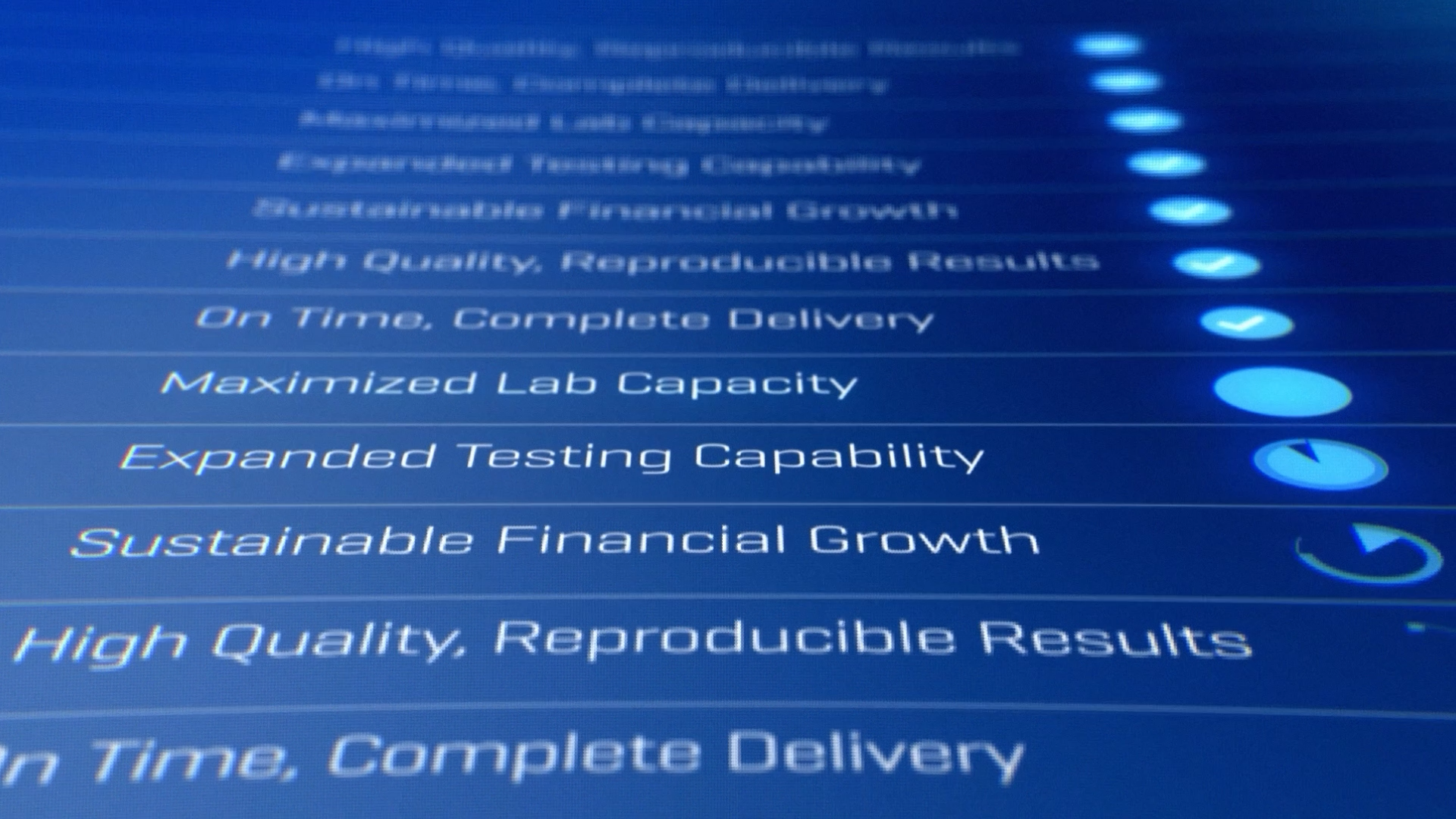
High-sensitivity LC-MS/MS for regulated food, environmental, and PFAS testing, and pharmaceutical impurity analysis.
Delivering exceptional sensitivity for its class, the novus V55 system helps analytical laboratories, testing facilities and more, protect your reputation with sensitive, reproducible quantitative results you can trust. Whether you’re performing pesticide and food analysis, pharmaceutical impurity analysis, or PFAS testing, novus helps support you to confidently and consistently meet regulatory safety thresholds and critical quantitative performance criteria- without compromising compliance or data integrity.

Food testing
Designed for the realities of commercial food testing labs with high sample volumes, tight turnaround times, and constant pressure on margins, the novus V55 system is an LC-MS workhorse designed to deliver robust and reliable performance, even the most complex food matrices.
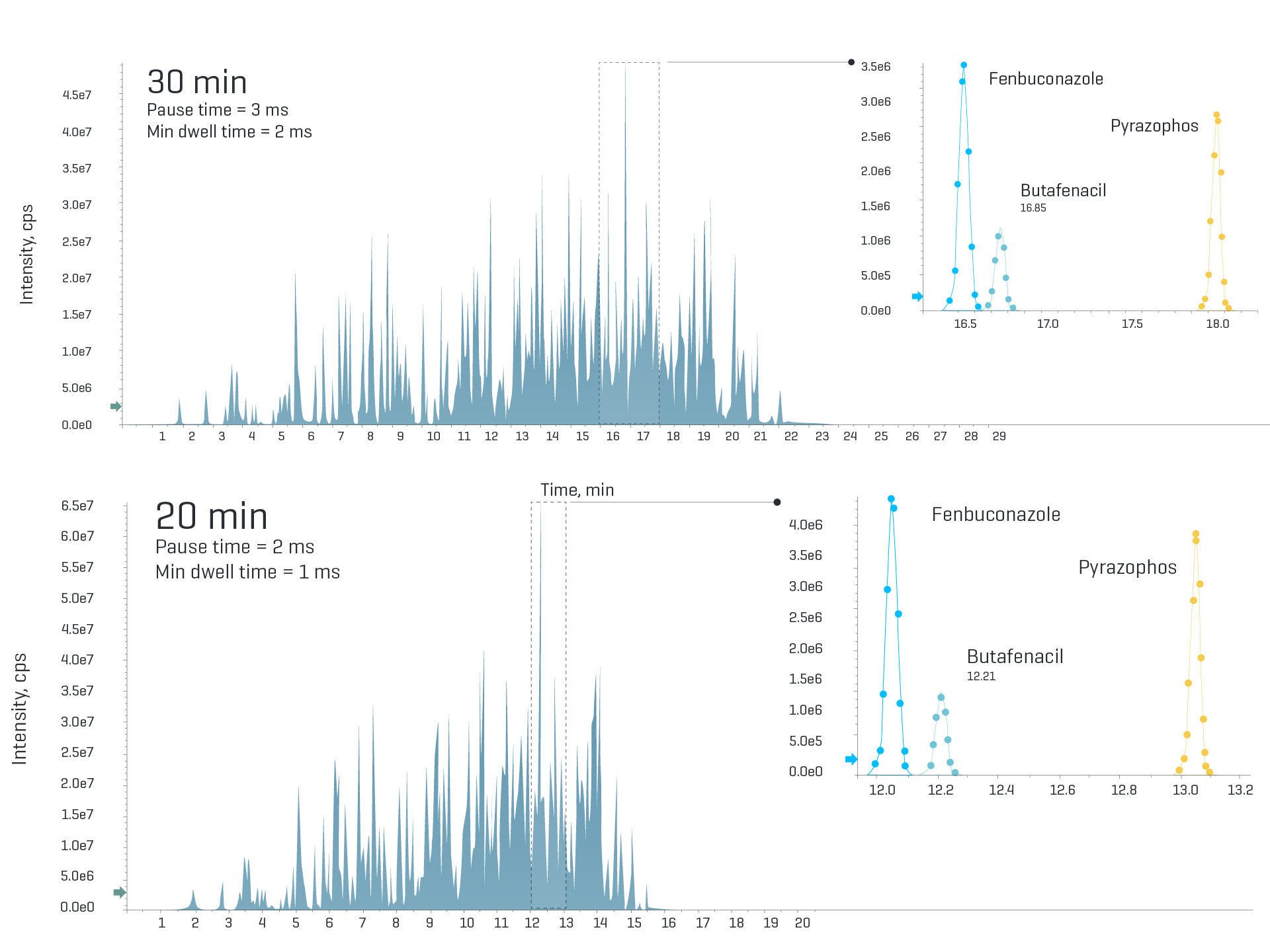
A comparison of the chromatograms of >1,400 pesticide transitions in an orange juice extract using a 30-min (top) and a 20-min (bottom) gradient. The faster aeMRM-based 20-min gradient showed similar intensity and data density across each LC peak (≥10) as the 30-min gradient, even during periods of highest MRM concurrency.
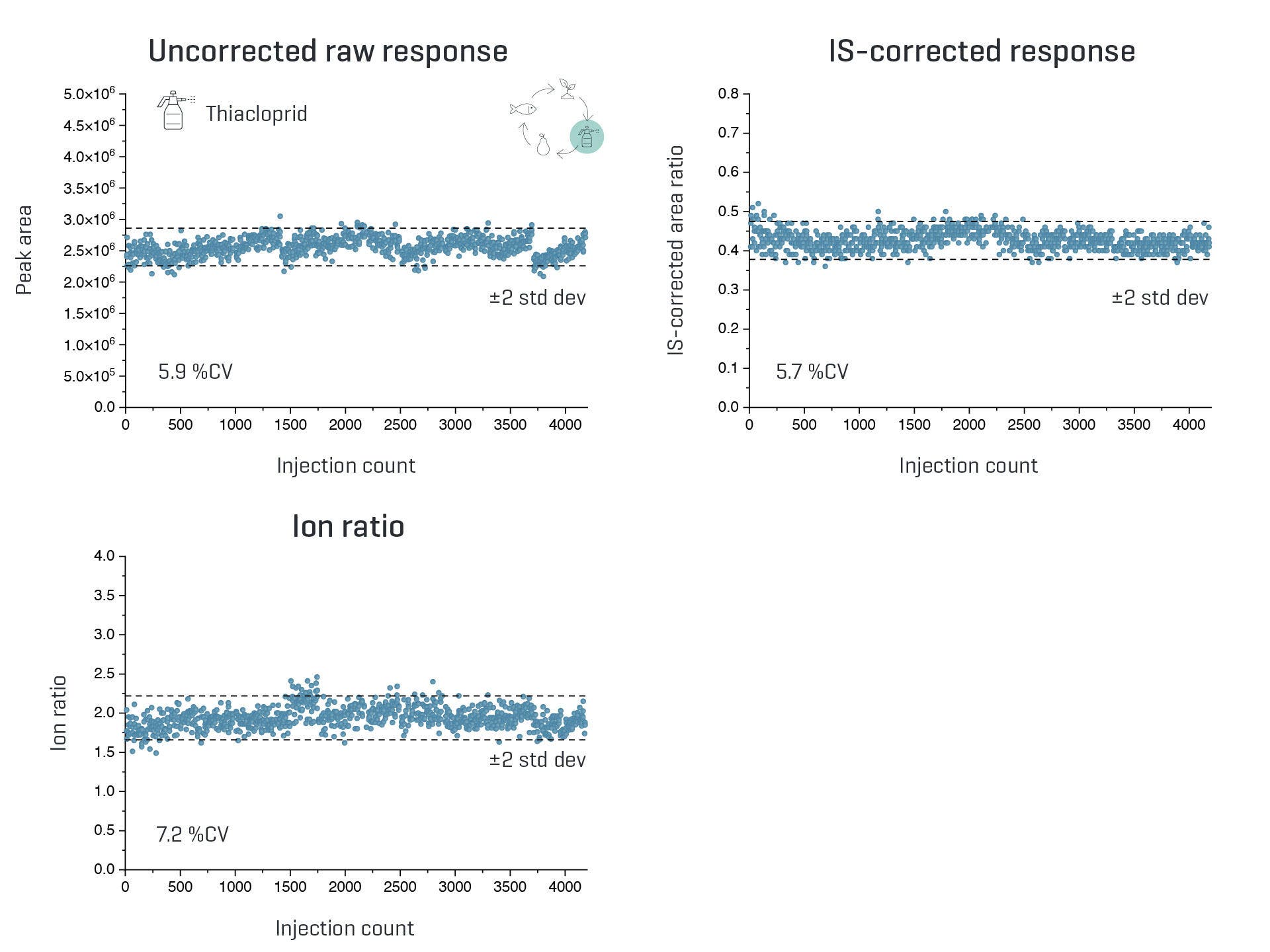
Robustness trends based on raw peak area, internal standard (IS)-corrected area ratio and ion ratio of thiacloprid in spice powder on the novus V55 system. Each datapoint represents the metric observed in the post-extraction spiked spice samples plotted against the total injection count, which consisted of consecutive injections of solvent and matrix spikes. The dotted lines represent the ±2 standard deviation from the mean, with the overall %CV indicated.
PFAS analysis
Sample throughput in PFAS testing labs is not optional- it's constant, regardless of whether you're at a contract research organization, government or municipal water testing lab. Designed to deliver value at every level of your operations and with the sensitivity needed to meet regulatory limits, you will see benefits to your bottom line from day one with the novus V55 system.
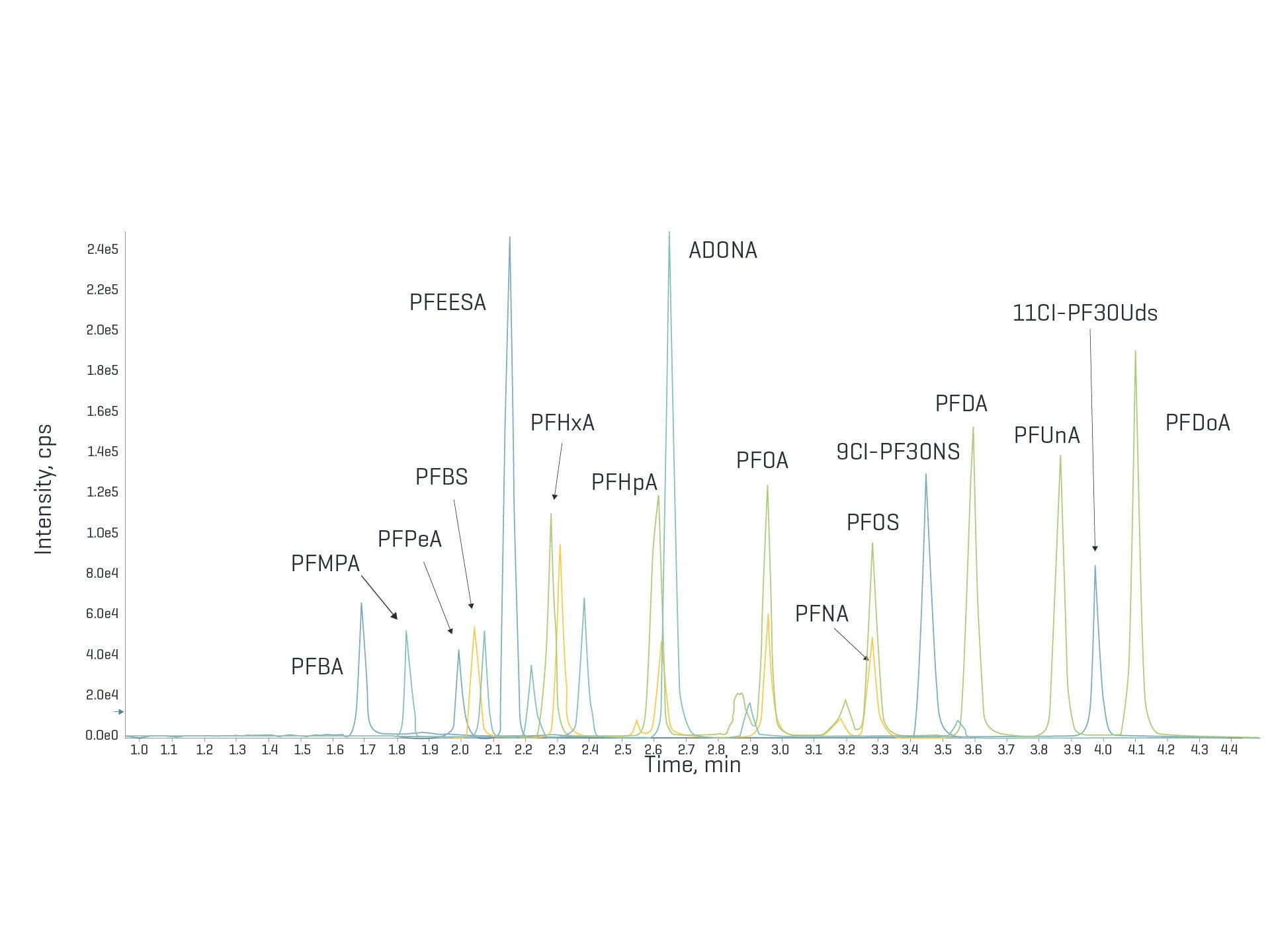
Shown here are the overlaid XICs for the analysis of EPA 533 with an 8.5 min gradient. The XICs are shown for the 5 ng/mL calibration standard.
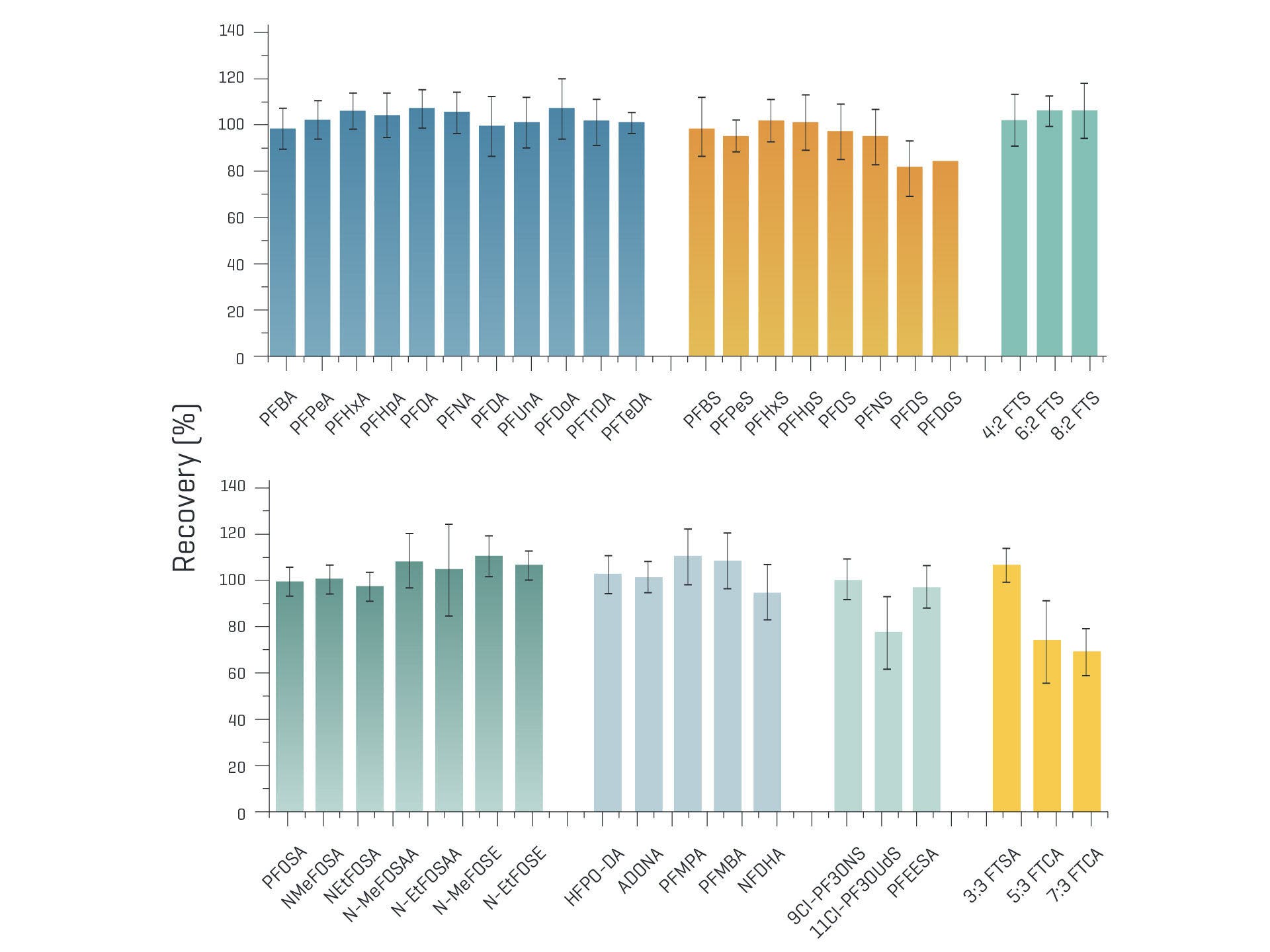
This image shows the mean recovery (%) and precision (%CV) for the LLOPR samples (n=7) in a clean sand-based matrix for the analysis of EPA Method 1633A. The results are shown for the quantifier ion transition.
Impurity Analysis
Maximize routine testing of low-abundance impurities with high reproducibility. Pharmaceutical impurity testing labs rely on building trust and the ability to provide value-add services while also reducing their bottom line. The novus V55 system was designed to help maintain quantitative rigor while reducing operating costs.
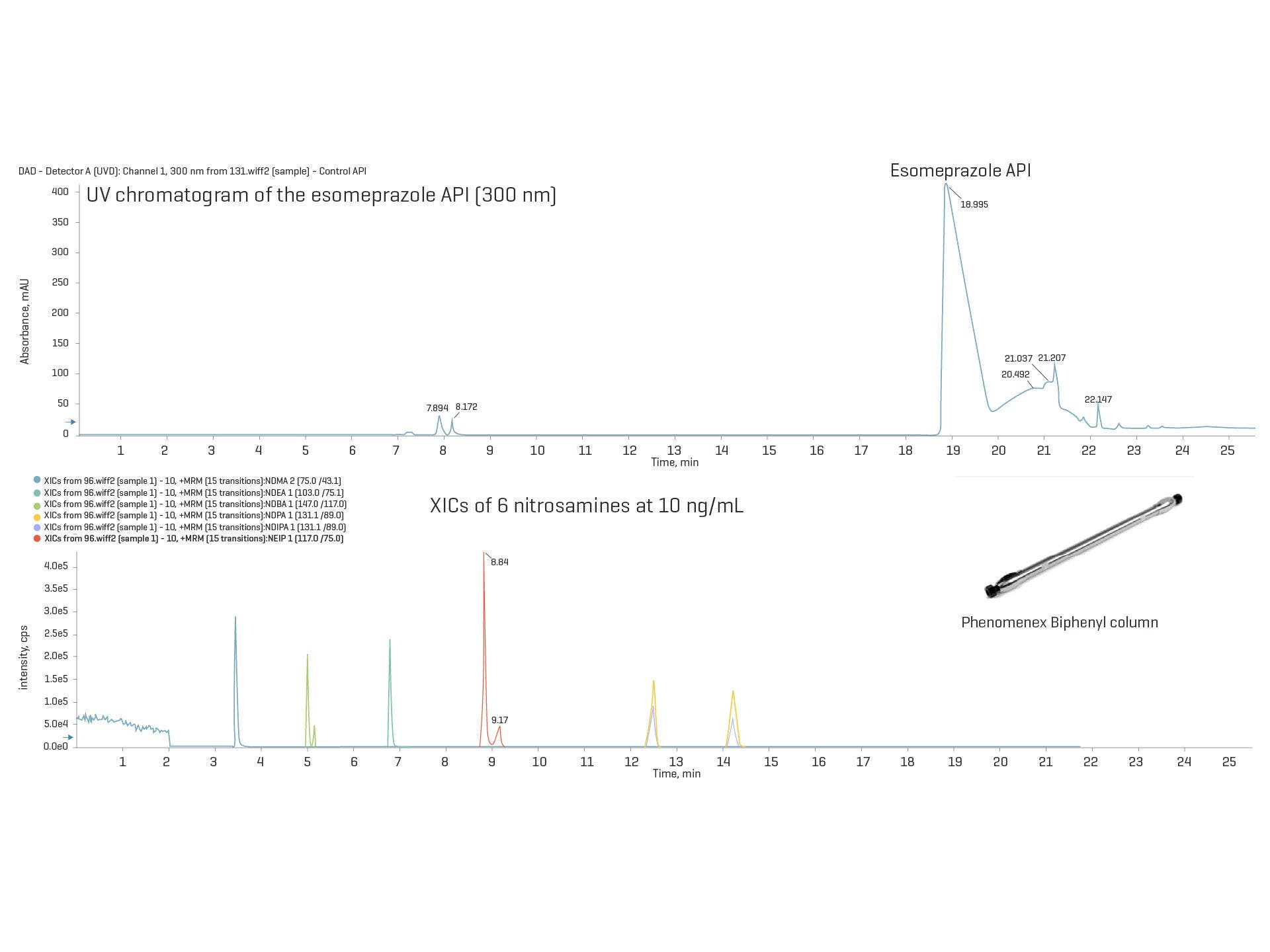
Baseline separation was achieved between the 6 nitrosamines and the esomeprazole API. UV chromatogram of the esomeprazole API (top; collected at 300 nm) and the extracted ion chromatograms (XICs) of the 6 nitrosamines (bottom; collected at 10 ng/mL) are displayed.
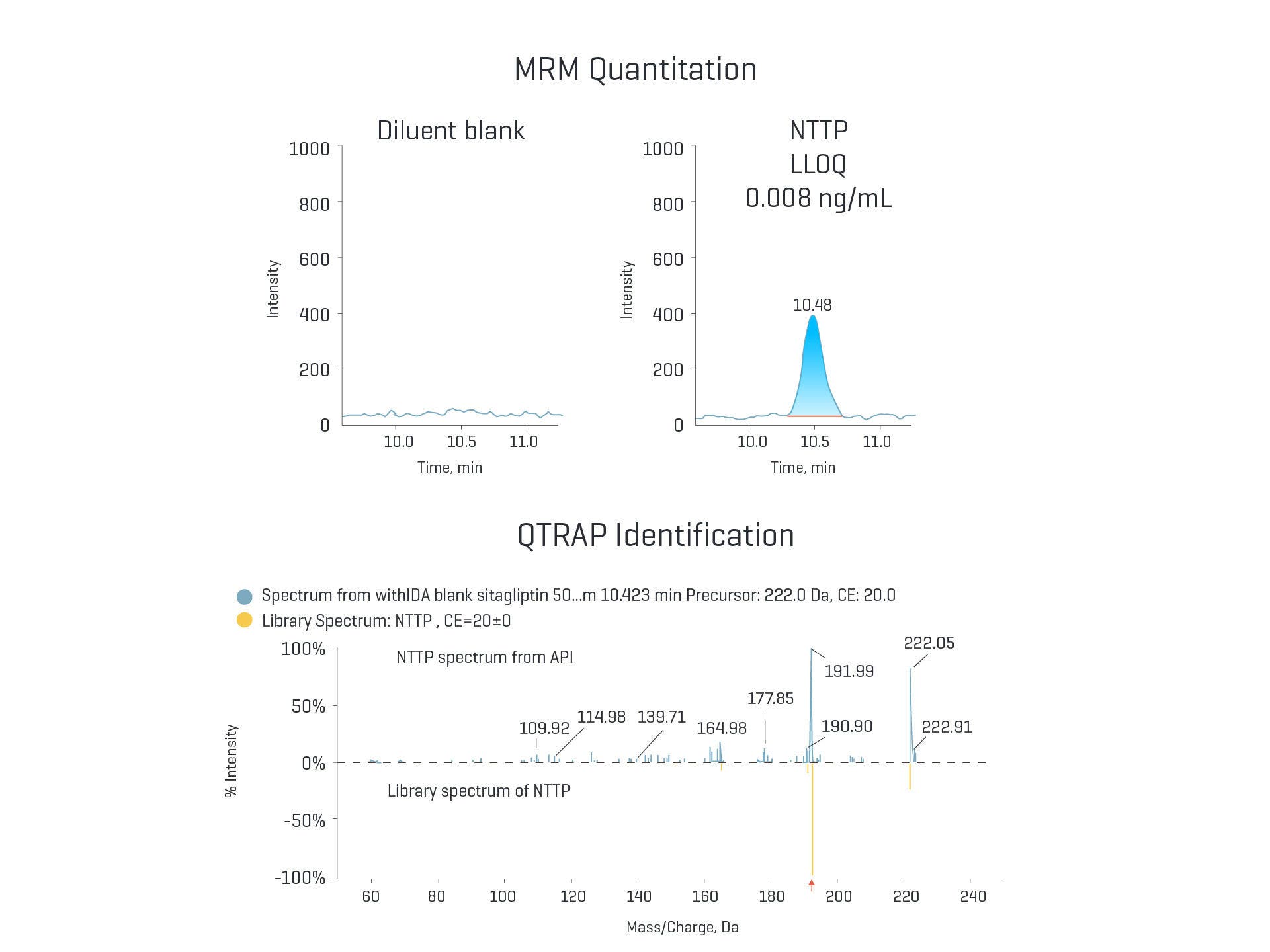
MRM quantitation and QTRAP identification: NTTP was quantified at an LLOQ of 0.008 ng/mL. Since NTTP was observed in the SG API sample, MRM > EPI with library matching was employed to verify the identity of the impurity.
Peptide quantitation
Expand method analysis beyond small molecules with an extended mass range of up to 2,000 m/z. This enables the analysis of larger analytes, such as peptides, while maintaining exceptional quantitative fidelity. Routinely meet regulatory requirements and drive laboratory efficiencies and economic performance, while staying compliant with SCIEX OS software tools.
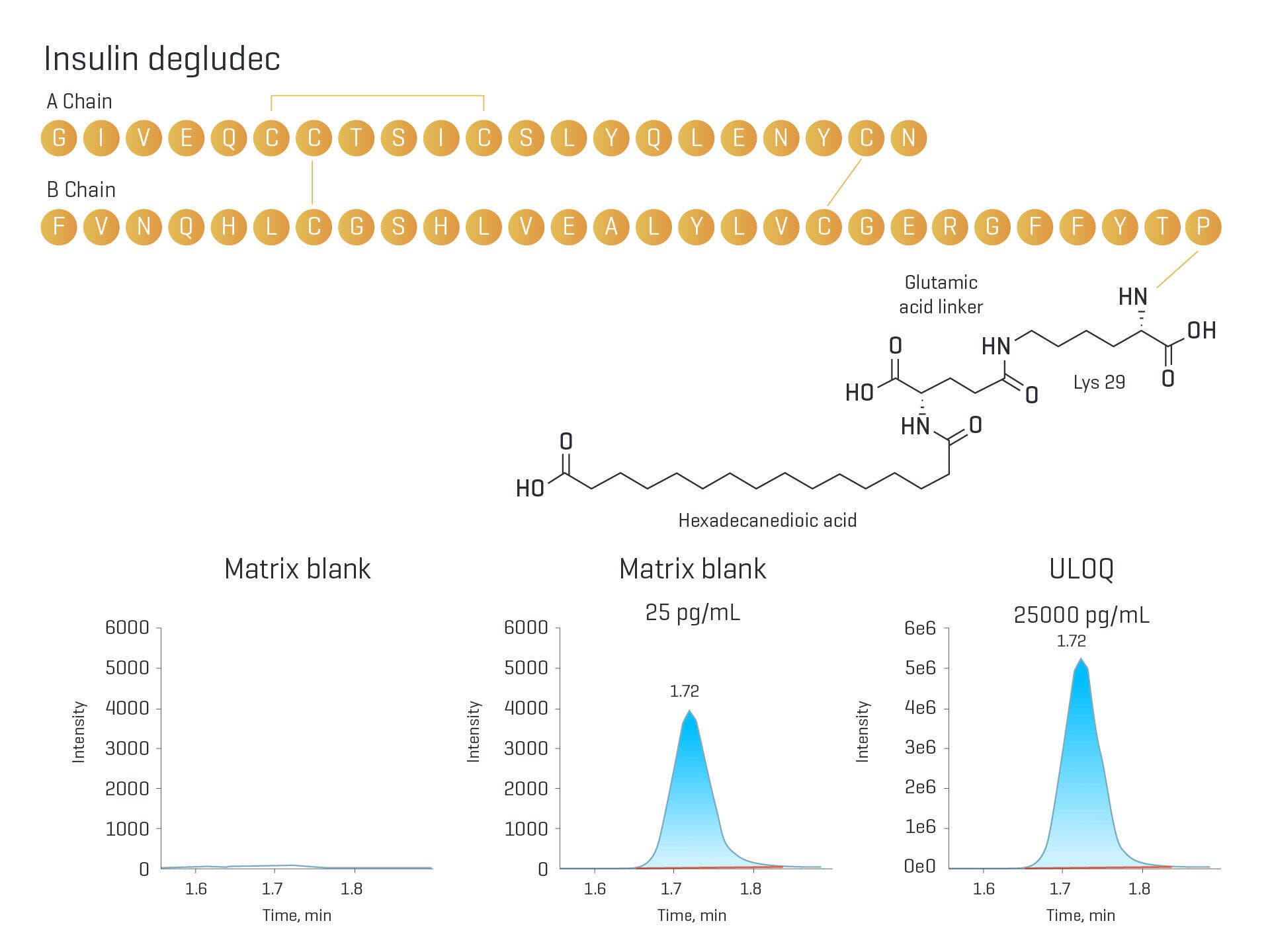
This image shows the representative extracted ion chromatograms (XICs) and structure of insulin degludec. An LLOQ of 25 pg/mL and an upper limit of quantitation (ULOQ) of 25000 pg/mL was achieved for insulin degludec in rat plasma, with no interference observed at the retention time of the analyte in the matrix blank.
Forensic testing
Rising illicit and prescription drug use is increasing pressure on forensic laboratories to deliver fast, reliable, comprehensive quantitative results while maintaining strict data quality standards. They also face growing sample volumes and expanding drug panels that require broader analytical coverage without slowing turnaround time.
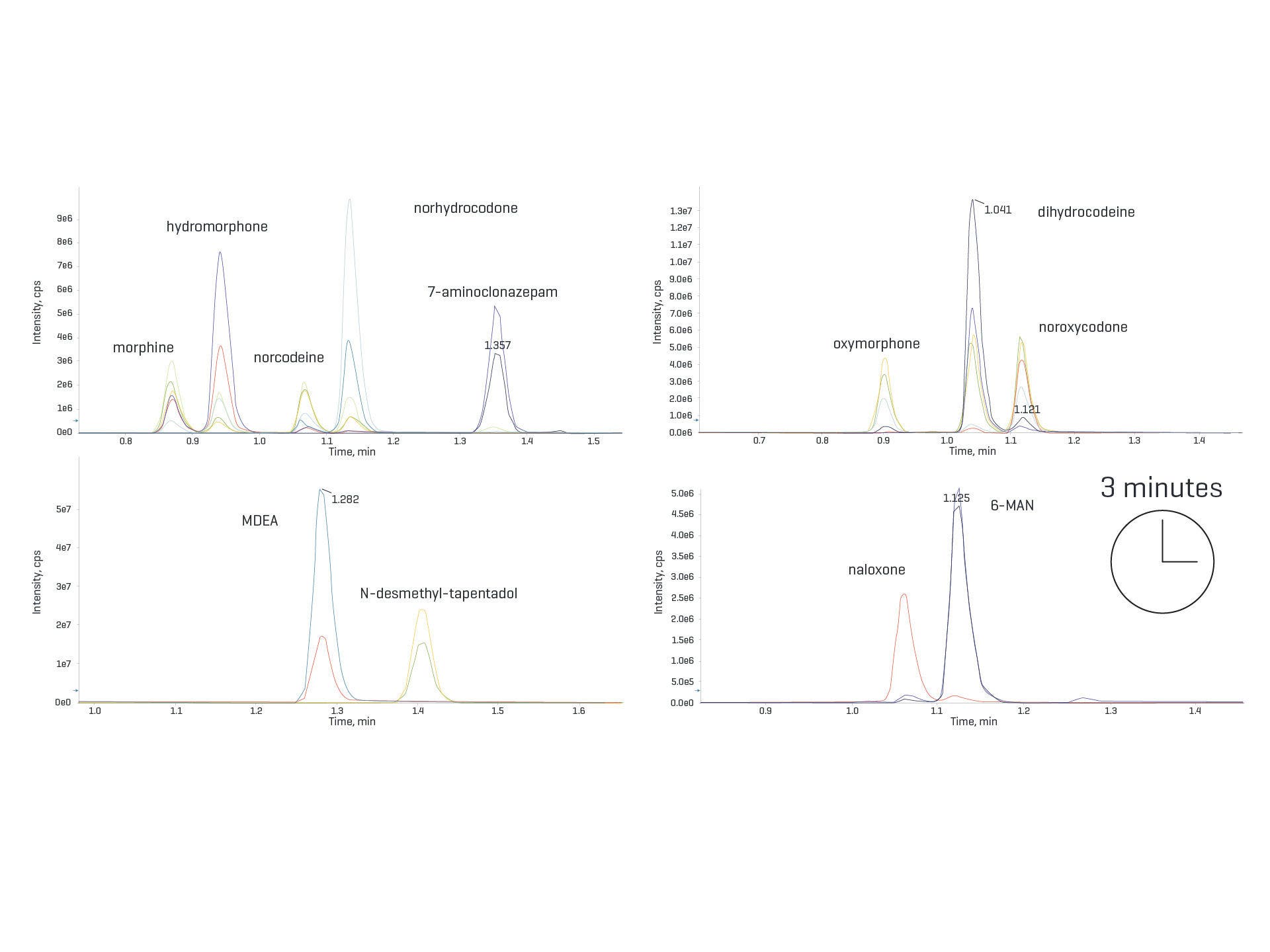
High-throughput LC–MS/MS analysis of drugs of abuse and metabolites in a 100 ng/mL urine calibrator using a 3-minute method on the novus V55 system. Rapid cycle times provide sufficient points across narrow peaks, preserving chromatographic separation of isomers, and supporting robust analysis across a diverse analyte panel.
SCIEX OS software
Engineered to deliver more. Faster.
- Advanced tracking and statistical analysis of instrument and assay performance. Learn more
- Automated acquisition features for: reports, carry-over correction, and rule-based decisions. Learn more
- Control, manage, and audit multiple instruments and projects. Learn more
- Available for all SCIEX OS software-controlled instruments, get a visual dashboard to monitor and track your instruments
- FIA compound optimization with batch mode
- Customization in calculated columns and flagging. Learn more
- Streamline data review and reporting, reducing time spent on data processing. Learn more
- Streamline the calibration curve review process with user-set criteria to automatically remove standard outliers for the calibration curve in the processing method. Learn more
- Are you migrating from a system running Analyst software? We are committed to being a trusted provider and ensuring a smooth and efficient transition. Click here for more information!
Featured resources
-
Technical note
Maximizing throughput with accelerated MRM (aeMRM) on the novus V55 system
-
Technical note
PFAS analysis in drinking water using EPA method 533
-
Technical note
Future-proof LC-MS solution for nitrosamine analysis: quantitative fidelity meets sustainability
-
Technical note
Delivering exceptional robustness for long-term food testing on the novus v55 system
-
Technical note
QTRAP LC-MS/MS identification and MRM quantitation of NDSRIs in Sitagliptin API
-
Technical note
Reenvisioning peptide LC-MS bioanalysis: combining quantitative flexibility with reliable performance
-
Technical note
Routine application of EPA Method 1633A to environmental samples with successful QC compliance
-
Technical note
High-throughput multi-analyte forensic toxicology using accelerated MRM on the novus V55 system
Related applications
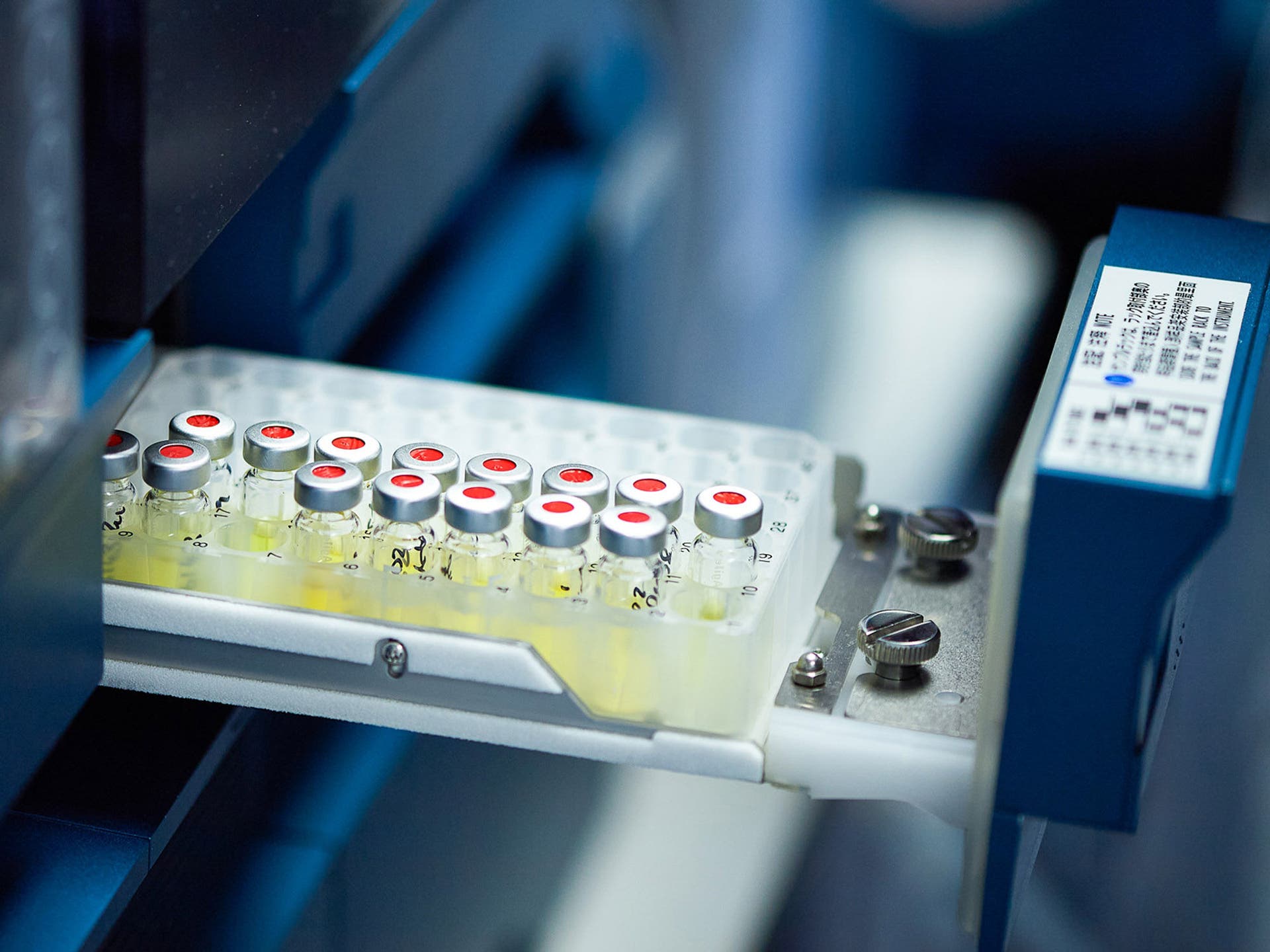
Food testing
Detect and identify targeted and non-targeted analysis at or below maximum residue limits with high-quality data you can trust.
Learn more

Environmental testing
Respond quickly and meet regulations (MRLs) with confident results for the screening, identification, and quantitation of low-level chemical contaminants.
Learn more
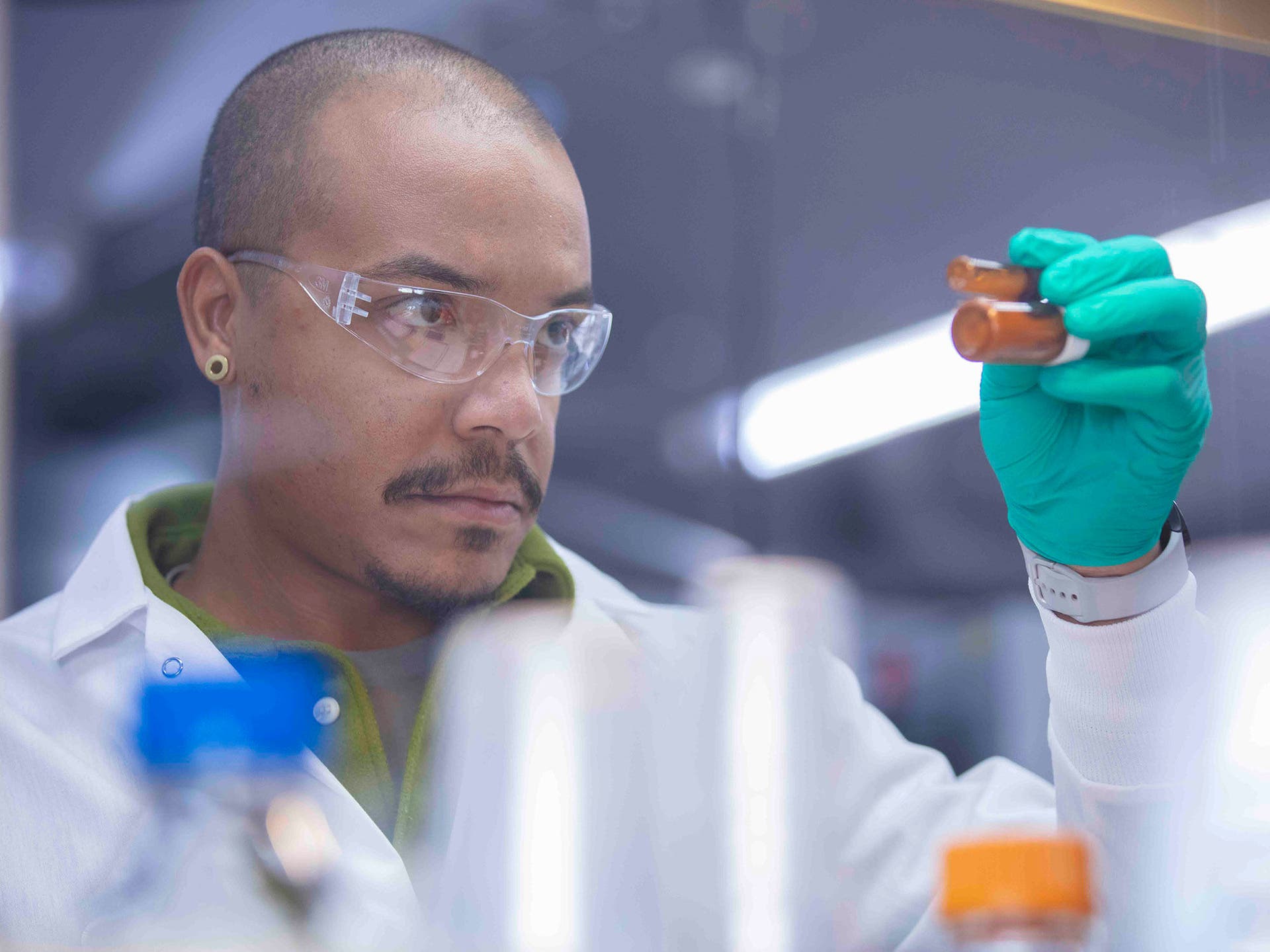
Pharma and biopharma
Make complex workflows easier and more efficient and deliver the highest data quality to transform your pharma discovery, development and manufacturing pipeline.
Learn more
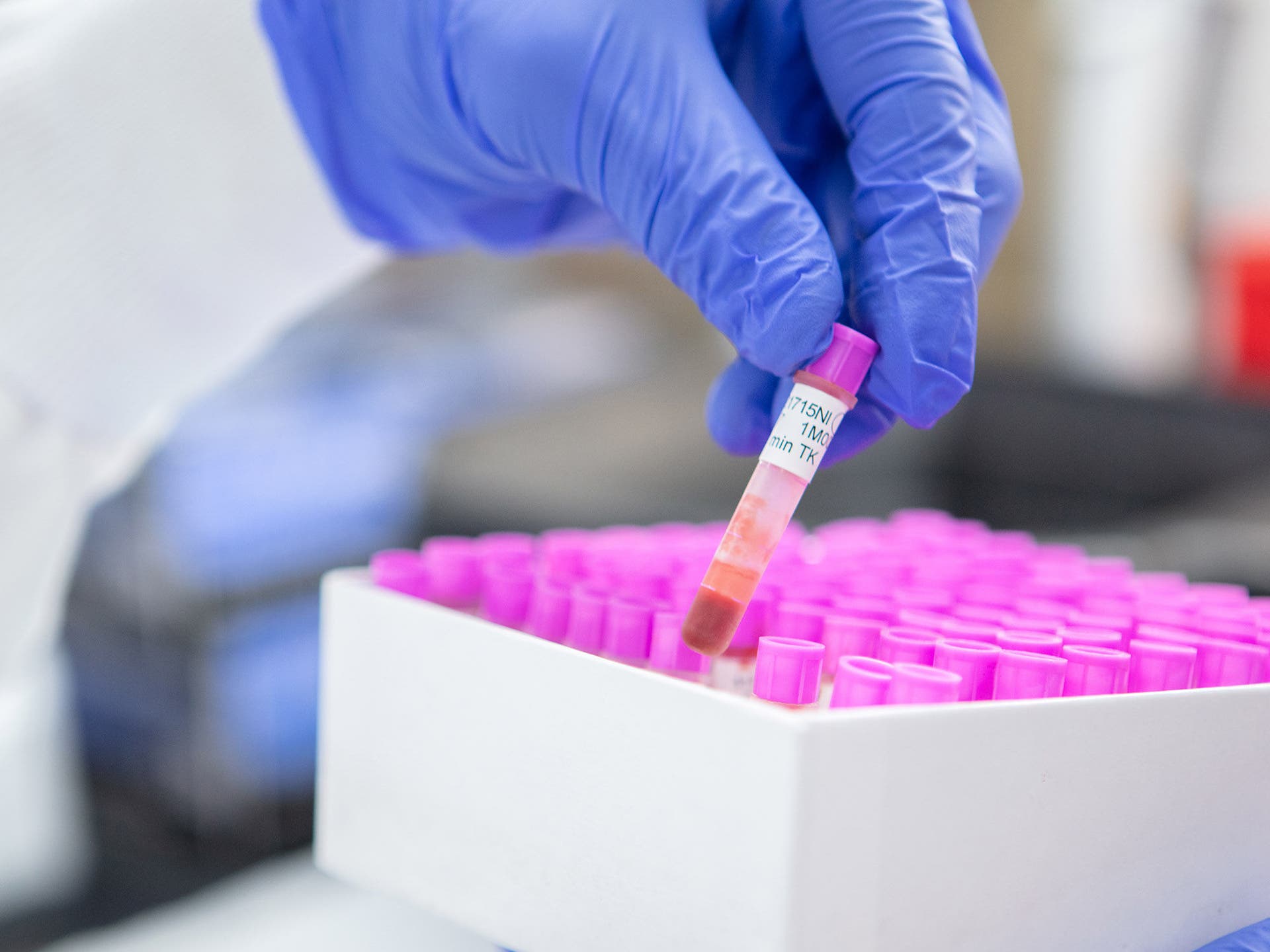
Forensic analysis
Deliver fast, highly accurate data across a multitude of compounds and biomarkers, from the known to the new, and the novel.
Learn more
Explore SCIEX service and support
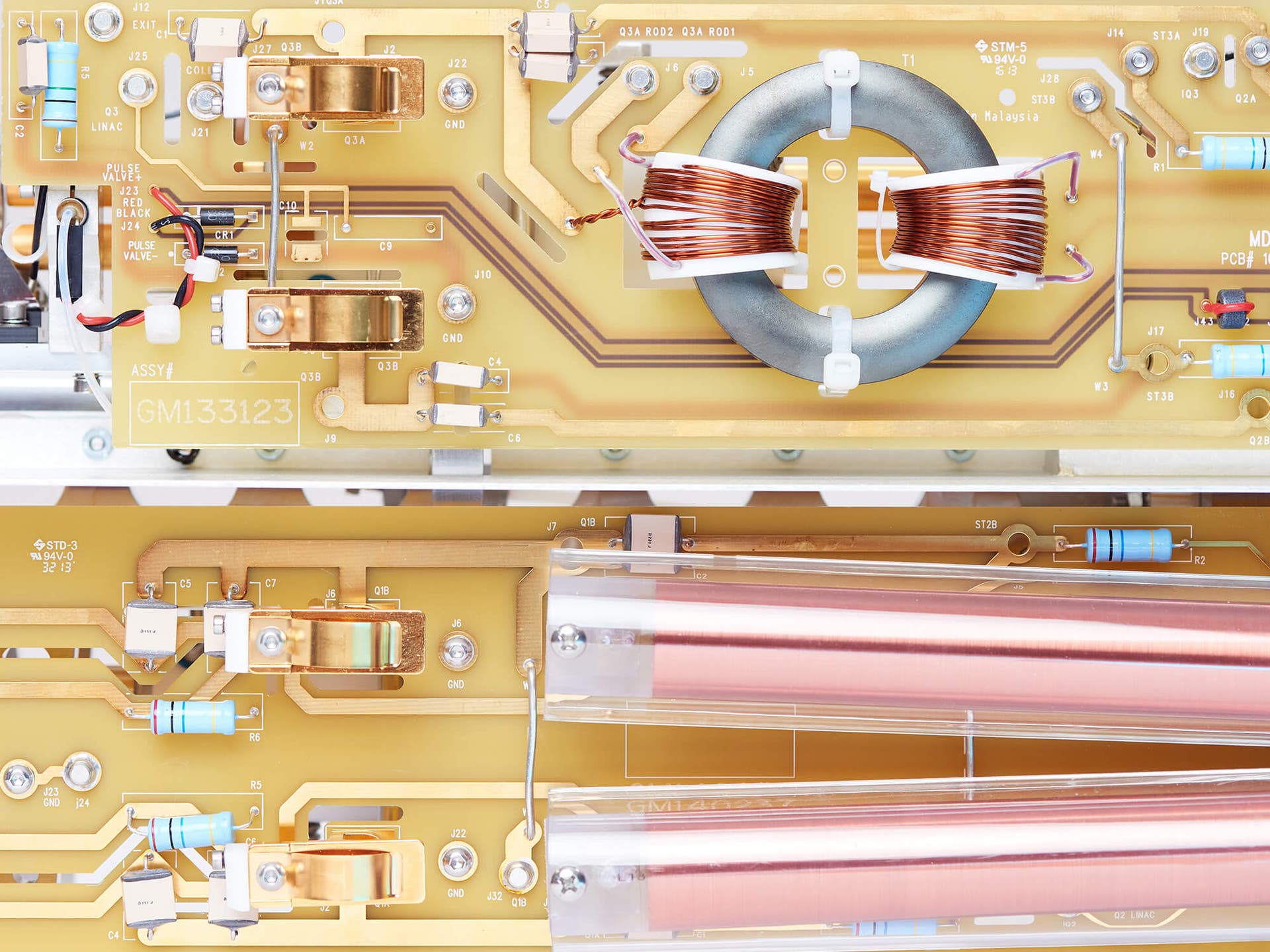
Mass spectrometer service and support plans
LC-MS service and support plans designed to provide the confidence you need to achieve your analytical goals.
Explore plans
Software support plans
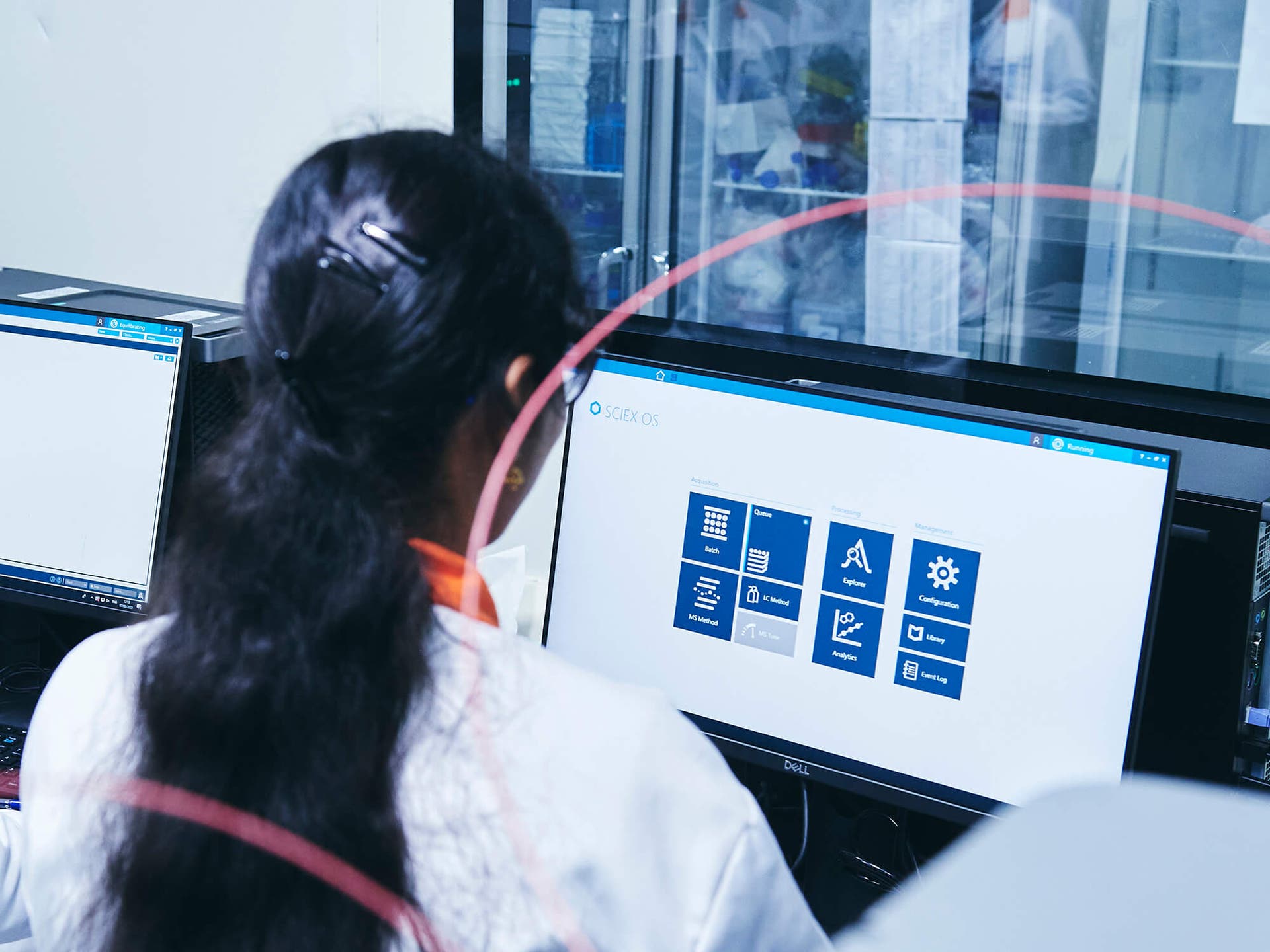
Keep your results on the cutting edge with a support plan for your operating and processing software. Use your SCIEX software with confidence that it is up to date and secure.
Explore plans
StatusScope remote monitoring service
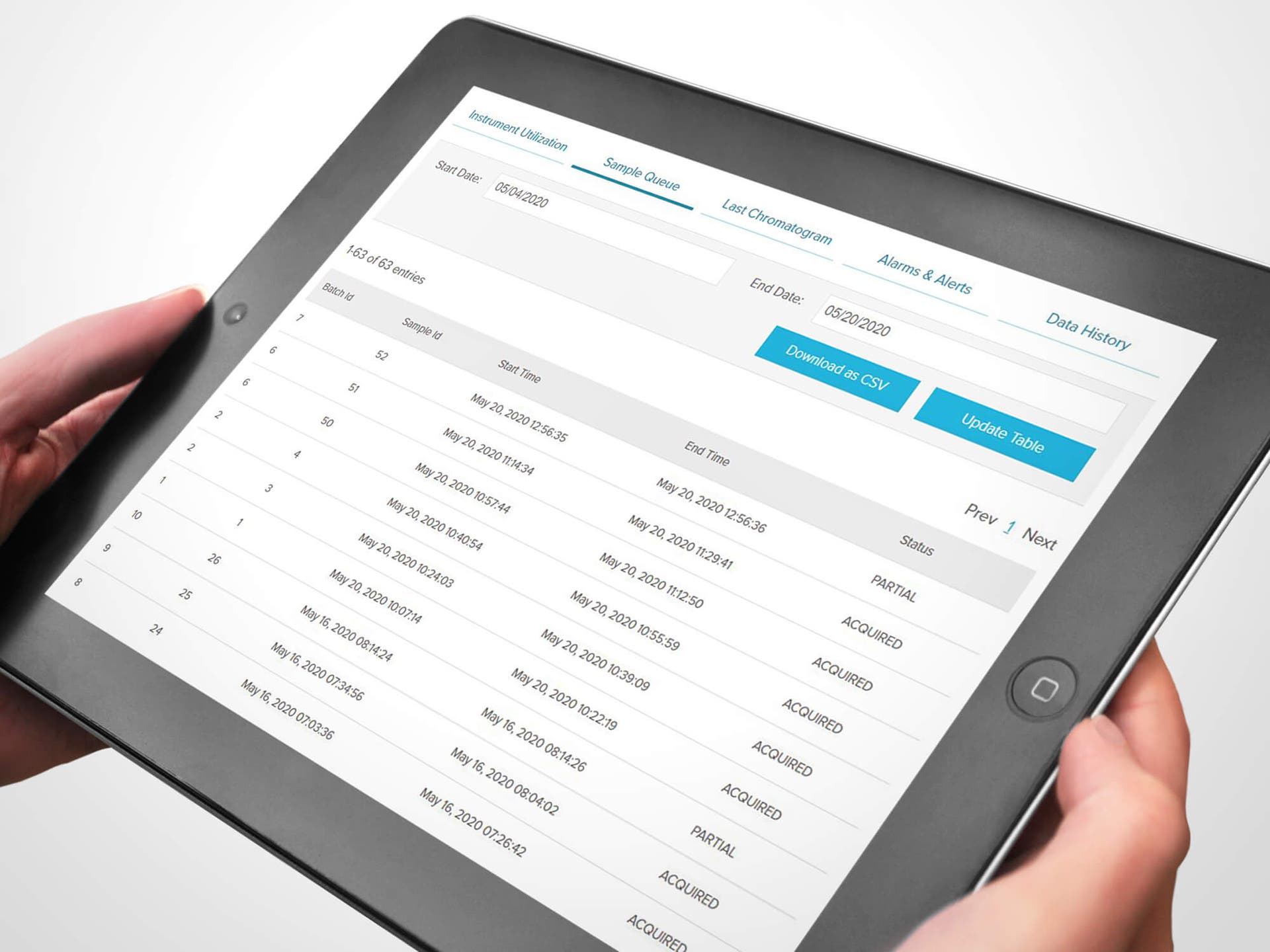
Experience real-time diagnosis, monitoring, and resolution of your system, and get full visibility into critical parameters directly in your SCIEX Now dashboard.
Explore plans
SCIEX Now Visual Assist augmented reality remote support
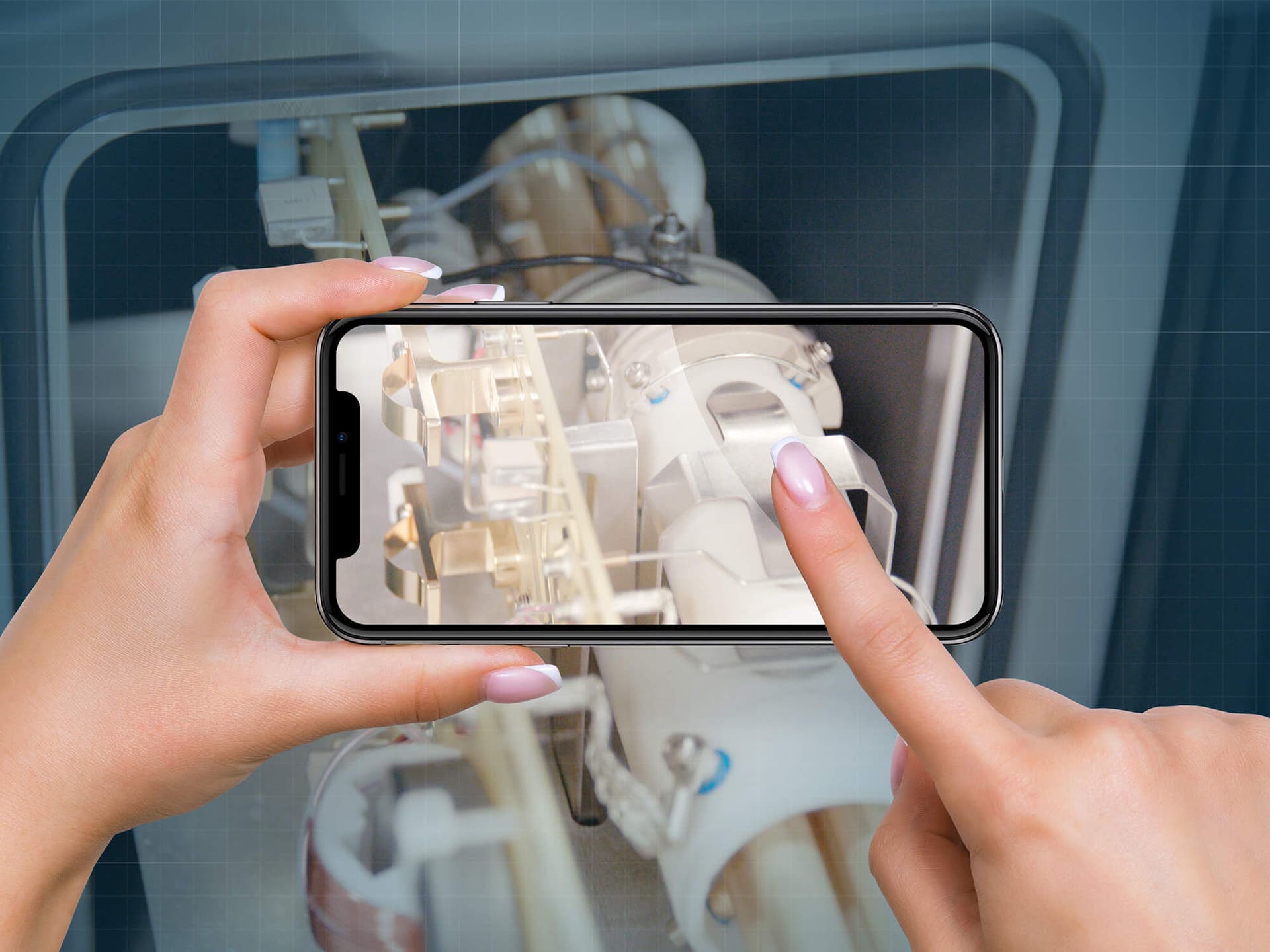
Bring your system back online in minutes instead of hours. Receive immediate visual support from a SCIEX service engineer while in front of your instrument.
Explore plans

SCIEX Now Learning Hub Success Programs
Get the training your team needs to succeed with SCIEX Now Learning Hub Success Programs.
Explore plans