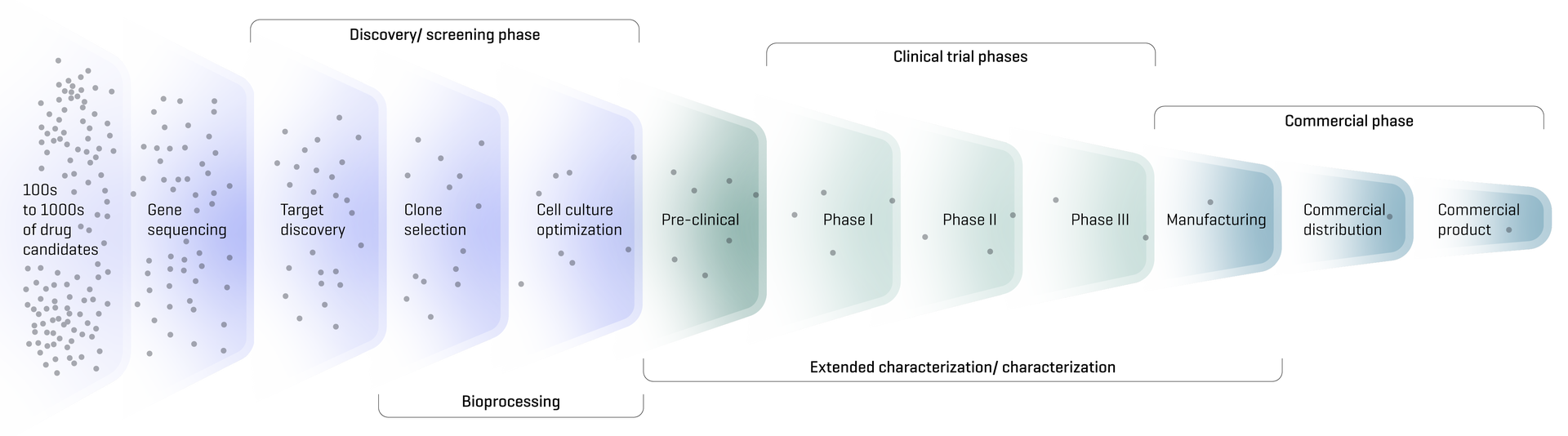
CE‑SDS support across the biopharmaceutical development pipeline from early screening through commercial quality control.
CE-SDS fundamentals for protein purity analysis in biopharma
CE-SDS fundamentals for protein purity and biopharma development
Capillary electrophoresis–sodium dodecyl sulfate (CE‑SDS) is a gold‑standard analytical technique for assessing protein purity, structural integrity, and stability in biopharmaceutical development.
CE‑SDS enables quantitative purity assessment, estimation of product‑related impurities, and batch‑to‑batch consistency across the drug development lifecycle—supporting informed decision‑making and delivery of safe, effective therapies.
Why is CE-SDS used in drug development?
In biopharmaceutical workflows, CE SDS is routinely used to:
- Quantitatively assess drug substance and drug product purity
- Detect and quantify product related impurities
- Monitor structural integrity and stability
- Ensure batch to batch consistency
- Support regulatory submissions, QC, and lot release
How CE-SDS requirements change across the biopharma pipeline
Because CE‑SDS delivers high resolution, robustness, and reproducibility, it is a critical workflow throughout biologics development, from early screening through commercial QC.
Early development and process optimization
- Typical analytical assay needs for higher sample throughput
- Broader molecule diversity (mAbs, fragments, novel modalities)
- Faster time‑to‑answer for screening and comparability
- Flexible method development
At this stage, CE‑SDS is commonly used for screening, clone ranking, and process optimization.
Late development, QC, and lot release
As you get closer to manufacturing and releasing the final product, typical requirements in this stage of development shift toward:
- Maximum resolution and reproducibility
- Support for regulated and validated workflows
- Lower tolerance for analytical variability
Here, high‑resolution CE‑SDS supports comparability packages, regulatory handoff, and routine testing.
High-speed vs. high-resolution in CE-SDS methods
CE-SDS methods can be adapted to optimize speed or resolution, depending on analytical needs.
High-resolution CE-SDS
High-resolution methods are designed to:
- Maximize separation of closely eluting impurities
- Provide high confidence for late-stage decisions
- Support regulated and QC-focused workflows
These methods typically use longer effective capillary lengths and prioritize separation quality over runtime.
High-speed CE-SDS
High-speed methods are designed to:
- Reduce total time to answer
- Enable higher daily sample throughput
- Maintain robustness with minimal sacrifice of resolution
These methods are commonly used for screening and early-stage development.
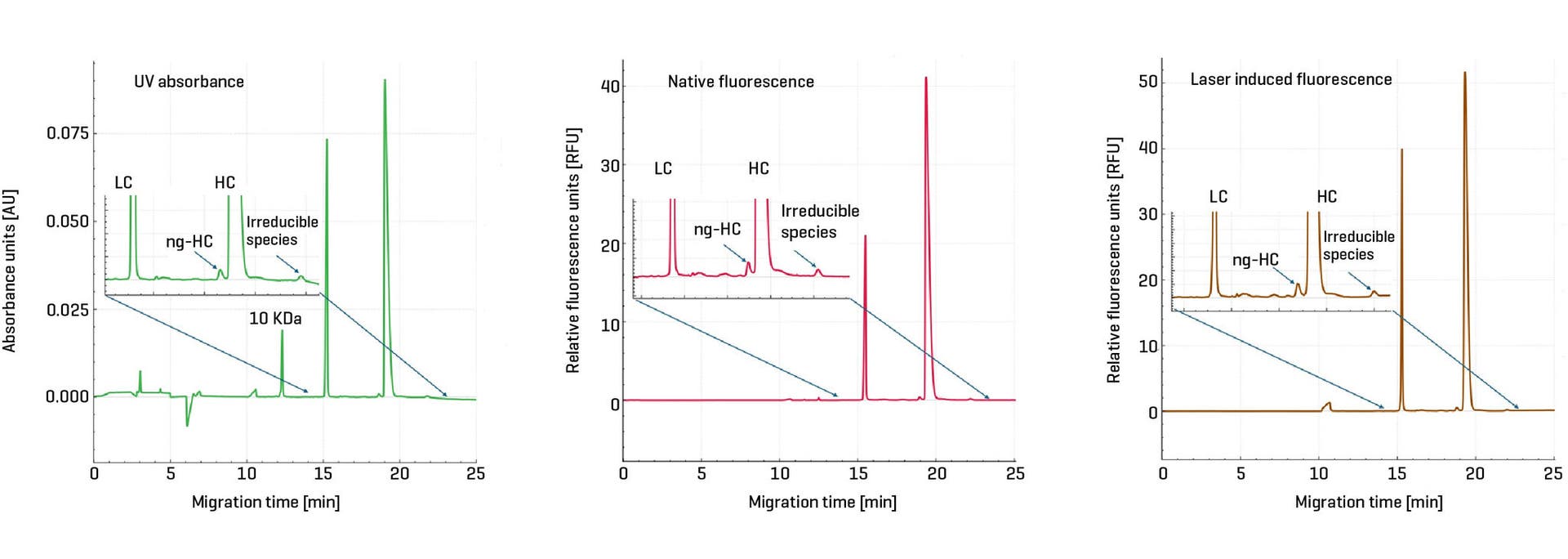
CE-SDS separation under reducing conditions of Infliximab using 3 modes of detection: absorbance, native fluorescence, and laser induced fluorescence. The insets show a zoomed in view of the antibody fragments.
CE-SDS detection modes
Detection mode selection impacts sensitivity, data processing, and throughput.
Common CE-SDS detection modes include:
- UV detection – widely used, universal, and straightforward for purity assays
- Photodiode array (PDA) – enables spectral confirmation
- Laser-induced fluorescence (LIF) – higher sensitivity for low abundance species, typically requiring labeling
- Native fluorescence detection (NFD) – label-free fluorescence with stable baselines that can streamline data analysis and support higher throughput screening
Detection strategy selection is often driven by sensitivity needs, assay complexity, and development stage.
SCIEX CE solutions for CE-SDS
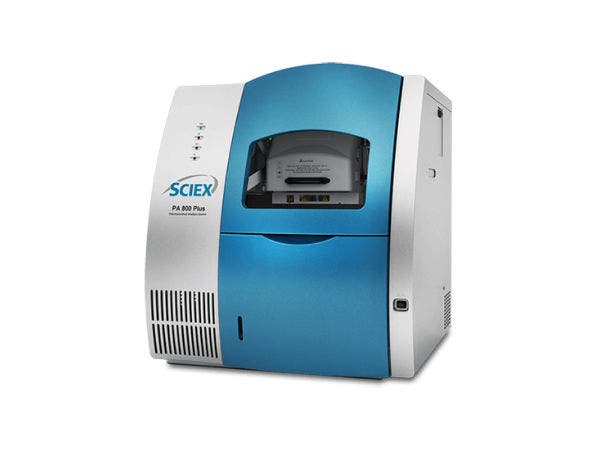
The PA 800 Plus system and the multi-capillary BioPhase 8800 system platforms are designed to adapt to the evolving drug development landscape. Simple changes to method parameters can tailor separation for speed or resolution, supporting CE-SDS analysis throughout the pipeline.
CE-SDS separation on the PA 800 Plus system
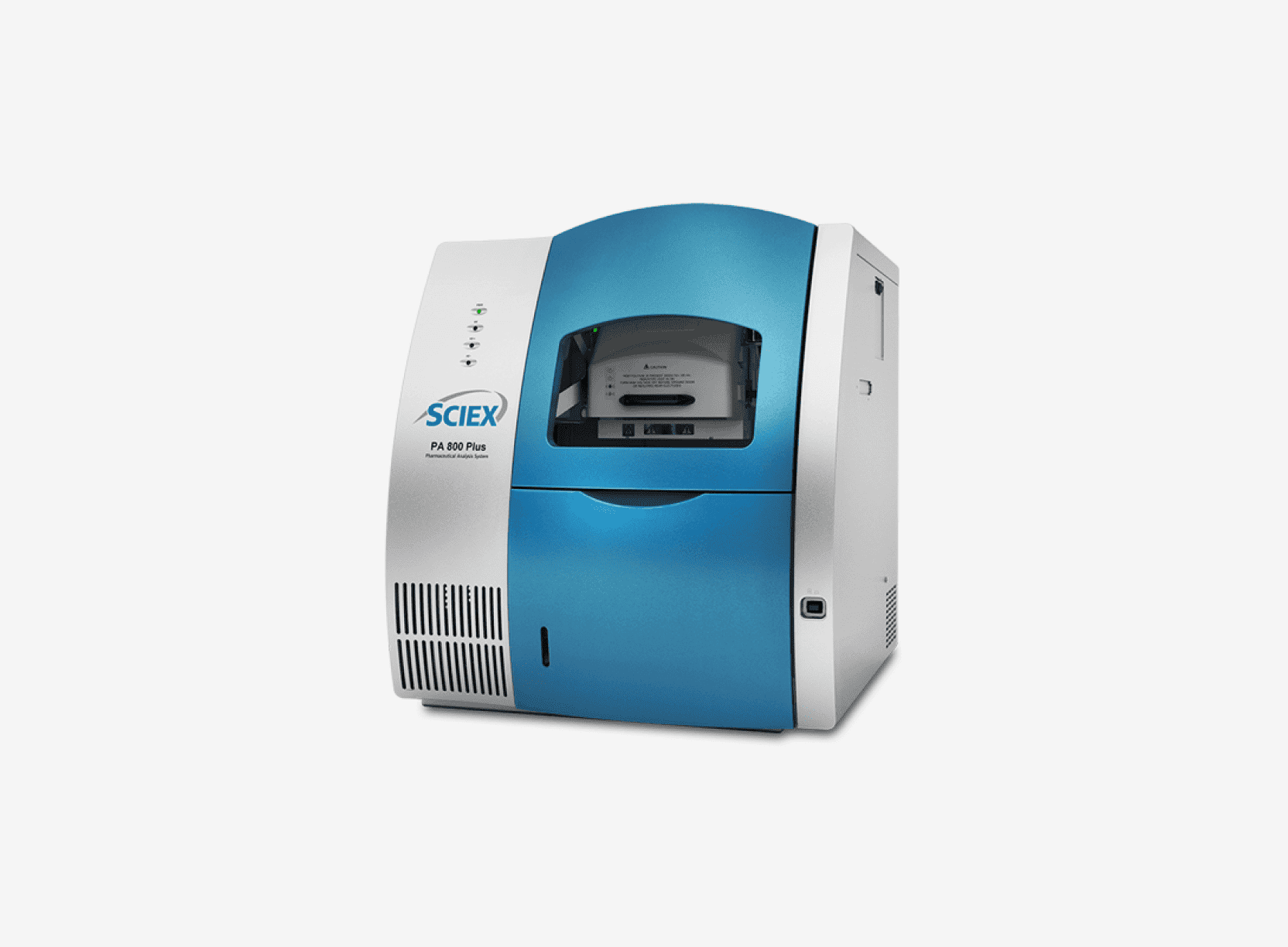
The PA 800 Plus system supports protein purity assessment across the full development lifecycle, including regulated environments.
Solution
PA 800 Plus system
Key capabilities:
- Single-capillary CE-SDS
- Suitable for development, QC, and lot release
- Features to enable 21 CFR Part 11 compliance
- Proven, reproducible workflows used globally
- UV, PDA, and LIF detection modes
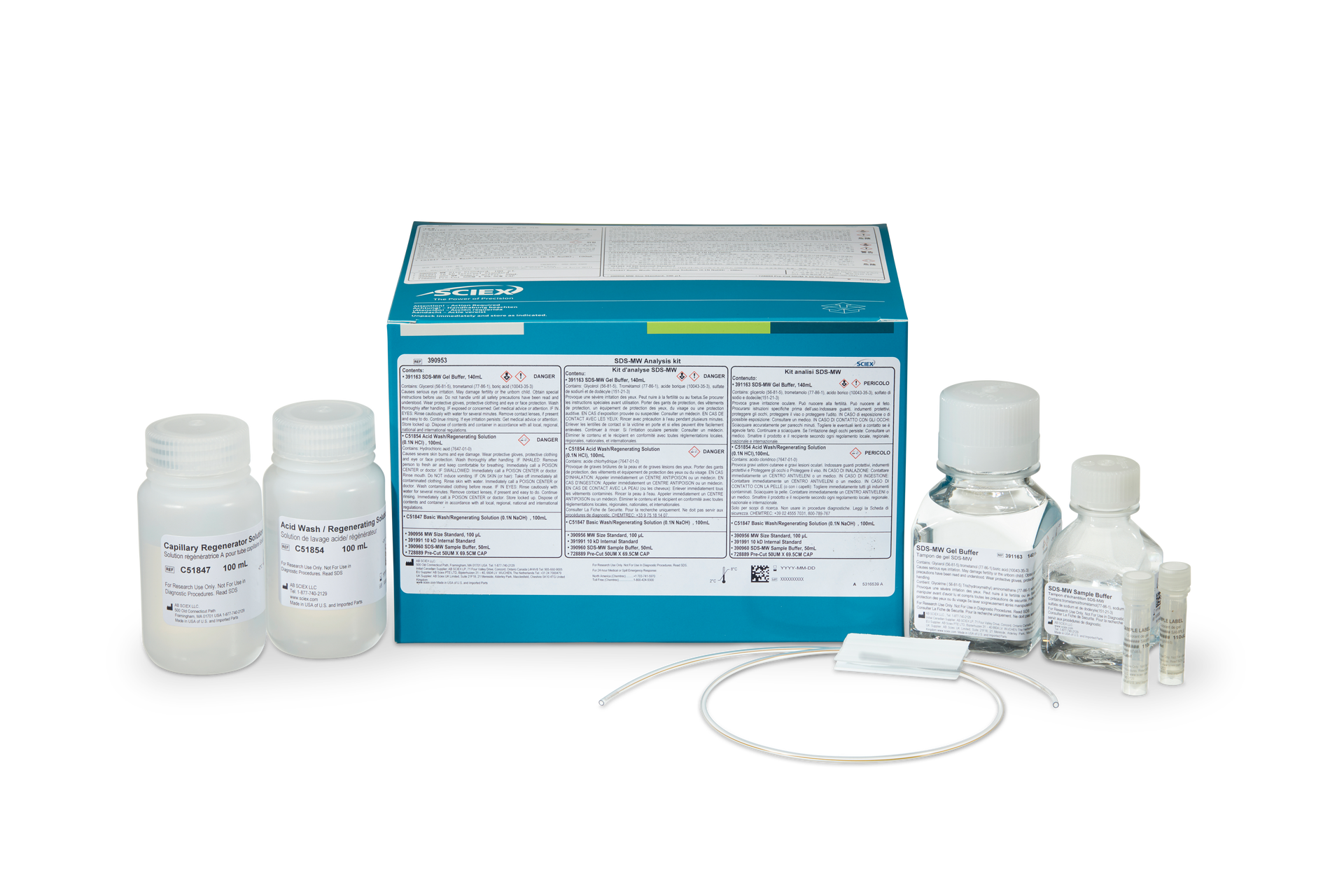
SDS-MW Protein Analysis kit
Effective quantitation and determination of protein purity and size.
Learn more
PA 800 Plus system
Characterize therapeutic molecules with confidence with the kit-based system.
Learn more

BFS capillary cartridge for the PA 800 Plus system
Pre-assembled bare-fused silica capillary cartridge – 30 cm for the PA 800 Plus system.
Learn more
CE-SDS separation on the BioPhase 8800 system
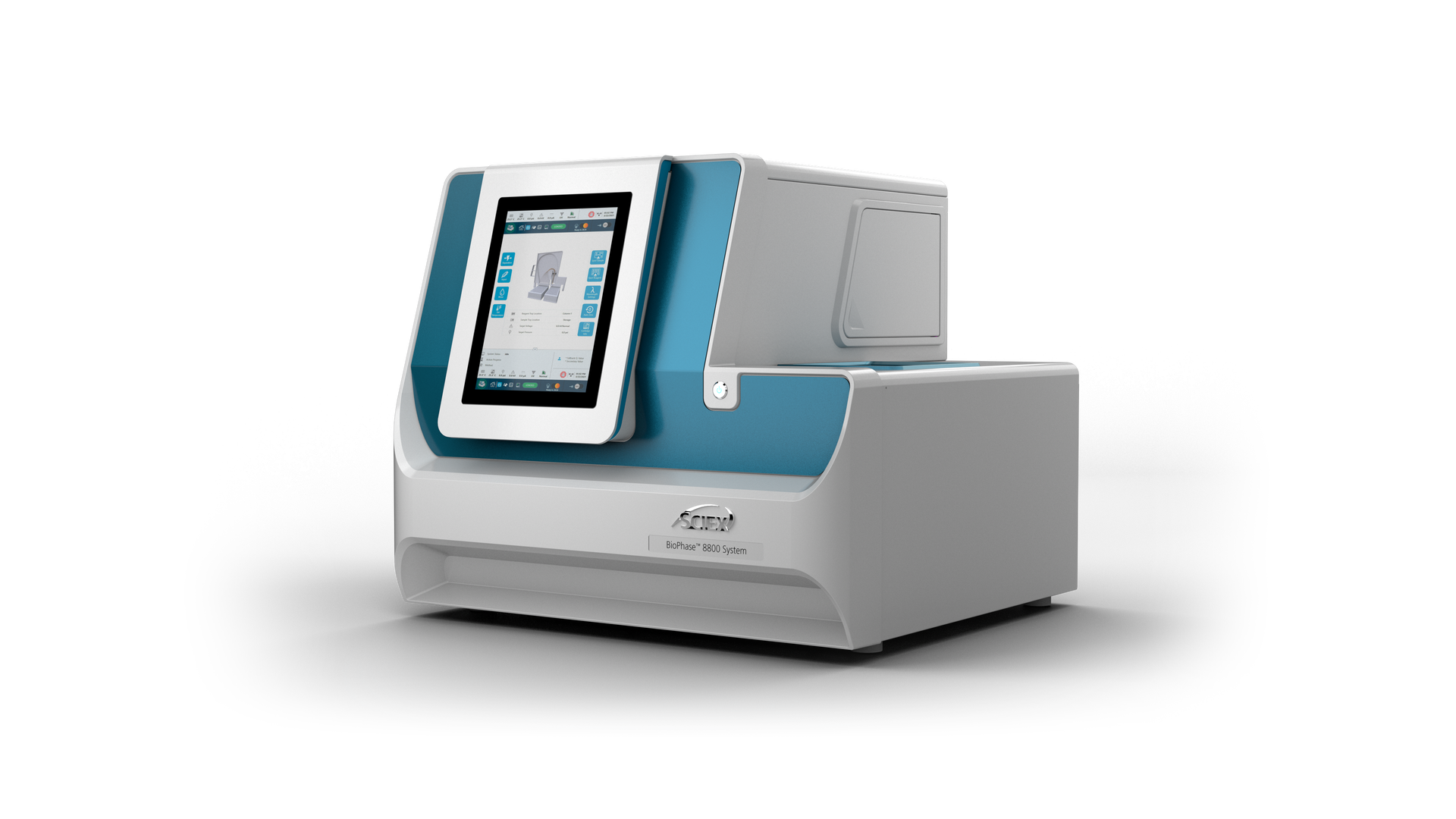
The multi-capillary BioPhase 8800 system supports protein purity assessment in early-stage development and process analytical support where higher throughput is required. 3 detection modes and 3 separation modes allow flexibility in method development while maintaining the speed and resolution expected from CE separation on the PA 800 Plus system.
Solution
BioPhase 8800 system
Key capabilities:
- UV, LIF, and native fluorescence detection modes
- Parallel analysis with eight capillaries
- Higher sample throughput per run
- Flexible method development
- Ideal for screening, comparability, and process optimization
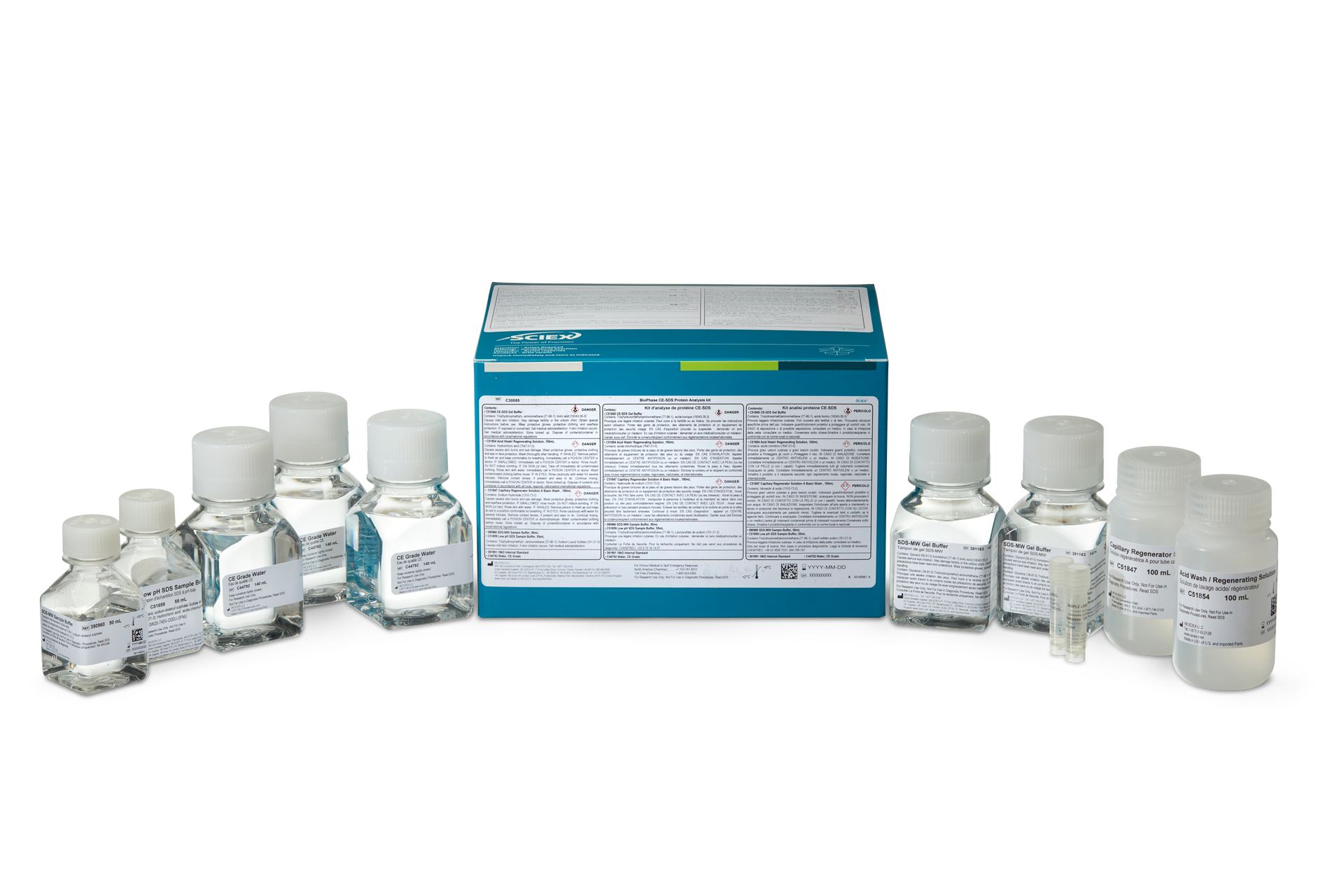
BioPhase CE-SDS Protein Analysis kit
Effective quantification and determination of protein purity and size.
Learn more
BioPhase 8800 system
Purpose-built for the biopharmaceutical scientist for efficiency and quality, enabling multiple samples to be run in parallel.
Learn more

BioPhase BFS capillary cartridge - 8 x 30 cm
Pre-assembled bare-fused silica 8-capillary cartridge for the BioPhase 8800 system - 8 x 30 cm. (P/N 5080121)
Learn more
Resources
-
Hub
Scale from the PA 800 Plus system to the BioPhase 8800 system: Discover solutions to address the analytical challenges in early drug development with streamlined workflows for protein purity analysis and fast glycan profiling.
-
Technical note
Discover benefits of multiple detection modes, for the lightning CE-SDS method on the BioPhase 8800 system
-
Hub
NFD solutions hub: Discover the advantages of native fluorescence detection for the CE-SDS assay
-
Technical note
Improve method reproducibility and inter-system consistency for protein characterization workflows. This technical note discusses the importance of performing a laser-induced fluorescence (LIF) calibration at 600 nm on the PA 800 Plus system to ensure consistent and robust capillary electrophoresis sodium dodecyl sulfate (CE-SDS) protein analysis.
CE-SDS frequently asked questions (FAQ)
CE-SDS is used to quantitatively assess protein purity and size-based impurities during biopharmaceutical development. It is commonly applied in early screening, process development, stability studies, comparability assessments, and method-dependent quality control and lot release.
CE-SDS commonly detects low molecular weight (LMW) fragments, size heterogeneity, and other product-related impurities that differ in apparent molecular size from the main product. Detection of high molecular weight (HMW) species is method-dependent and often supported by orthogonal techniques.
Reduced CE-SDS reduces disulfide bonds and is used to assess protein subunits and fragmentation. Non-reduced CE‑SDS preserves disulfide bonds and is used to assess the purity and structural integrity of intact proteins. Reduced CE-SDS is used to determine light chain and heavy chain ratios, quantify ng-HC impurities, determine glycan site occupancy, and quantify irreducible species. Non-reduced CE‑SDS helps quantify HMW species, covalently bound aggregates, and study antibody stability. It is also used to determine product and process impurities.
Yes. CE-SDS is widely used as a quantitative purity assay, typically reporting percent main peak and relative impurity levels based on peak area.
Both are denaturing, size-based methods, but CE-SDS typically provides higher separation efficiency, improved quantitation, and better reproducibility, making it better suited for trending and late-stage workflows.
High-speed CE-SDS methods are typically used for early-stage screening and rapid decision-making, while high-resolution CE-SDS methods are used when maximum impurity separation, robustness, and reproducibility are required.
CE-SDS can be used in regulated environments when workflows, platforms, and data systems are aligned with data integrity and compliance expectations. Platform selection should reflect intended use and development stage.
CE-SDS workflows are routinely used to quantify protein purity (% main peak), product-related impurities, including LMW fragments, size heterogeneity, and stability trends, and to assess batch-to-batch consistency across development and manufacturing.
CE-SDS data is commonly used to support development decision-making, comparability and stability studies, regulatory submissions, lot release, and quality control (method dependent).