PFAS (poly-and perfluoroalkyl substances) are an extensive, complex group of manufactured chemicals that have been widely used in industrial and consumer products since the 1940s. They have been so well adopted because of their various useful properties such as waterproofing characteristics, keeping food from sticking to packaging or cookware, to making clothing and carpets resistant to stains, to creating more effective firefighting foam. There are thousands of different PFAS molecules, some of which have been more widely used and studied more than others, almost all of which have been found to be toxic.
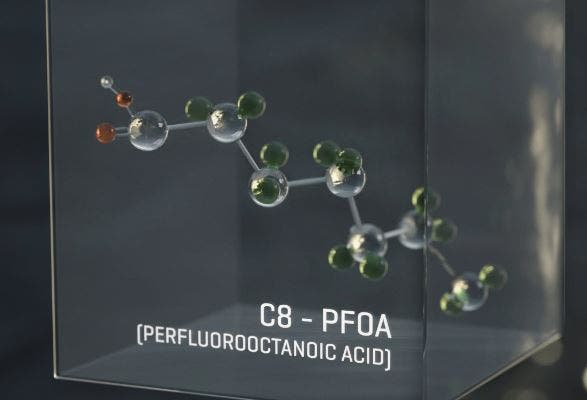
Perfluorooctanoic Acid (PFOA) and Perfluorooctane Sulfonate (PFOS), for example, are two of the most widely known, used, and studied chemicals. PFOA and PFOS have been replaced in the United States with other PFAS in recent years.
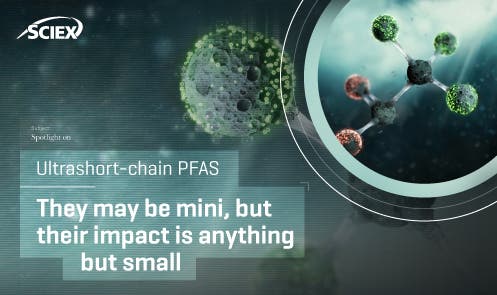
Because PFAS molecules have a chain of linked carbon and fluorine atoms, which is an incredibly strong bond, these chemicals break down very slowly and can build up in people, animals, and the environment over time. Accumulating toxicity has been a rising concern with over 3,000 types of PFAS threatening human health and the environment.