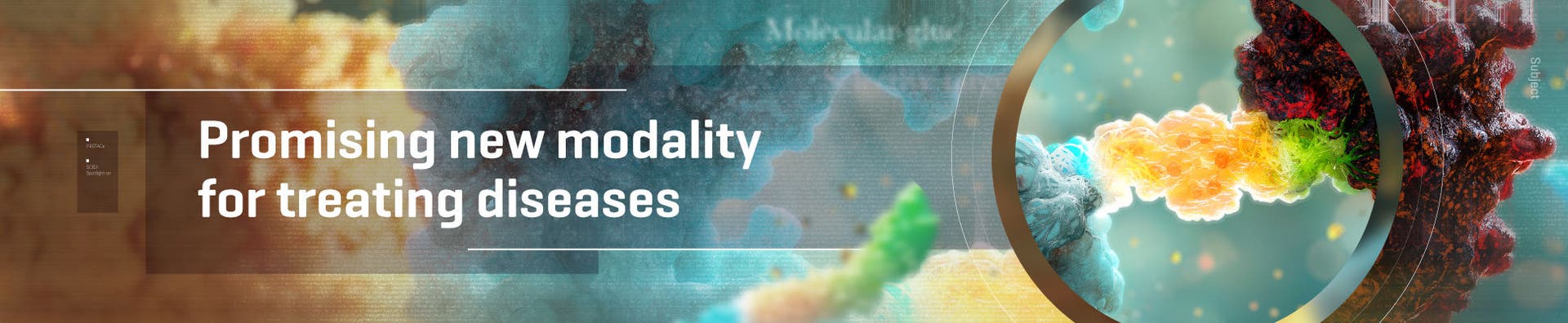
First introduced by PROTACs (proteolysis targeting chimeras), TPDs are highly specific molecules that degrade undesirable or harmful proteins by harnessing the cell’s native degradation machinery to selectively remove these disease-causing or otherwise adverse proteins. They contain three main components: a protein of interest binding moiety, a linker and the E3 ligase binding moiety. PROTACs form a ternary complex by binding with the E3 ligase and target protein. Ubiquitination is what subsequently causes the degradation of the protein.
Spotlight on: targeted protein degraders
What are targeted protein degraders (TPDs)?
What are the challenges to analysis by LC-MS?
It was only roughly 20 years ago that small molecule PROTACs were first reported in literature. In short order, the technology has moved from academia to industry: in 2019 the first PROTAC molecule entered clinical testing. While LC-MS is an effective and precise tool for analysis, due to the high potency of these modalities, highly sensitive quantitative LC-MS is vital for ensuring proper safety and efficacy during the development of the drug.
Why are TPDs so interesting?
TPDs are a unique approach to a familiar problem. Because of the catalytic nature of using an event-driven mode of action instead of traditional occupancy-driven small molecule inhibitors, this new modality exhibits several advantages, such as: more potent and longer-lasting effects, better selectivity, reduced toxicity, and an expansive target space. These therapeutic advantages present a promising and powerful approach for treating drug-resistant diseases and have outperformed classic inhibitor-type drugs in areas such cancer diseases, immune disorders, viral infections, and neurodegenerative diseases.
Using LC-MS-based test procedures during the development of the drug
While their potential is well-documented, challenges remain for the analysis of TPDs like PROTACs. Sensitive and selective assays for high-confidence detection and quantitation are needed to ensure the safety and efficacy in the drug development pipeline. SCIEX was first to market with content to help scientists develop these best practices and cover the analysis of TPDs. Our scientists have demonstrated excellent accuracy, precision, and linearity at a wide range of concentration levels, all using a single software platform for streamlined data acquisition, processing, and management with SCIEX OS software. Altogether, our systems offer high levels of sensitivity and quantitation power for analytes in complex matrices.
TPDs offer several significant therapeutic benefits
- Catalytic Nature: Unlike traditional small-molecule inhibitors that act in a dose-dependent manner, TPDs use a catalytic mode of action, which should reduce the probability of off-target effects
- Longer-Lasting Effects: The degradation of target proteins leads to more sustained therapeutic outcomes compared to merely inhibiting their activity
- Better Selectivity: The mechanism by which TPDs work is by dual selective substrate recognition, making them highly selective and specific, increasing treatment precision
- Potent with Reduced Toxicity: Because of their selectivity and catalytic action, very low doses work well and avoid off-target toxicity caused by high-dose drugs
- Expansive Target Space: TPDs can target proteins that were previously considered drug-resistant by conventional small molecule activity
SCIEX, there where it counts
Building out best practices takes sensitive, selective assays. With SCIEX LC-MS solutions, you can:
- Develop sensitive assays using enhanced analytical systems that reliably detect nanomolar concentrations of highly potent targeted protein degraders
- Achieve good quantitative performance for TPD analysis with excellent accuracy and reproducibility
- Get to the important information quickly with fast, intuitive and integrated data acquisition and processing software
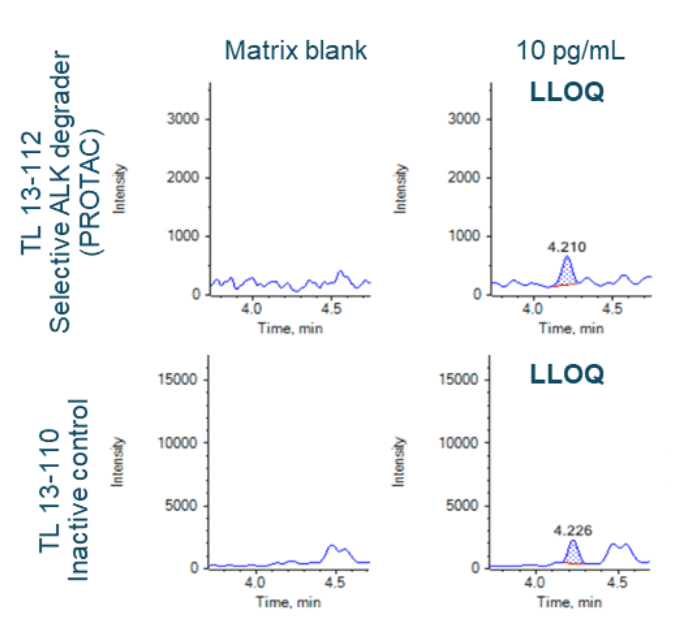
Detecting low-pg/mL quantitation of TL13-112, a PROTACs in rat plasma
Explore more
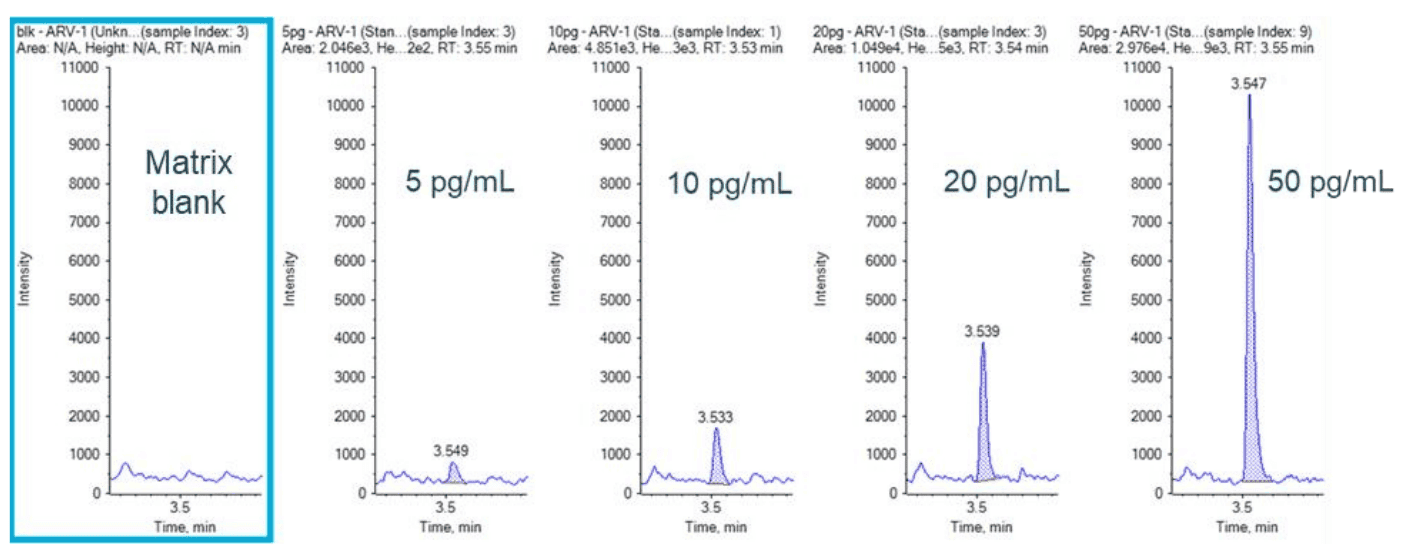
Sensitive analysis of PROTACs degrader ARV-110 in a complex matrix
Explore more

Learn about low-level quantitation of PROTACs in a biological matrix with minimal sample prep
Watch webinar on demand

For a deeper dive on other technical content that spans a diverse range of molecules and challenging compounds, please explore our content library, New Frontiers in Quantitation.
Explore more
Solution
Ultimate quantitation
Benefits:
- Reliably quantify at low limits
- Future-proof your methods

ExionLC AE system
Reproducibility, reliability and carryover performance to match your quantitative workflows. Dependability you can count on, from injection to injection and batch after batch.
Learn more
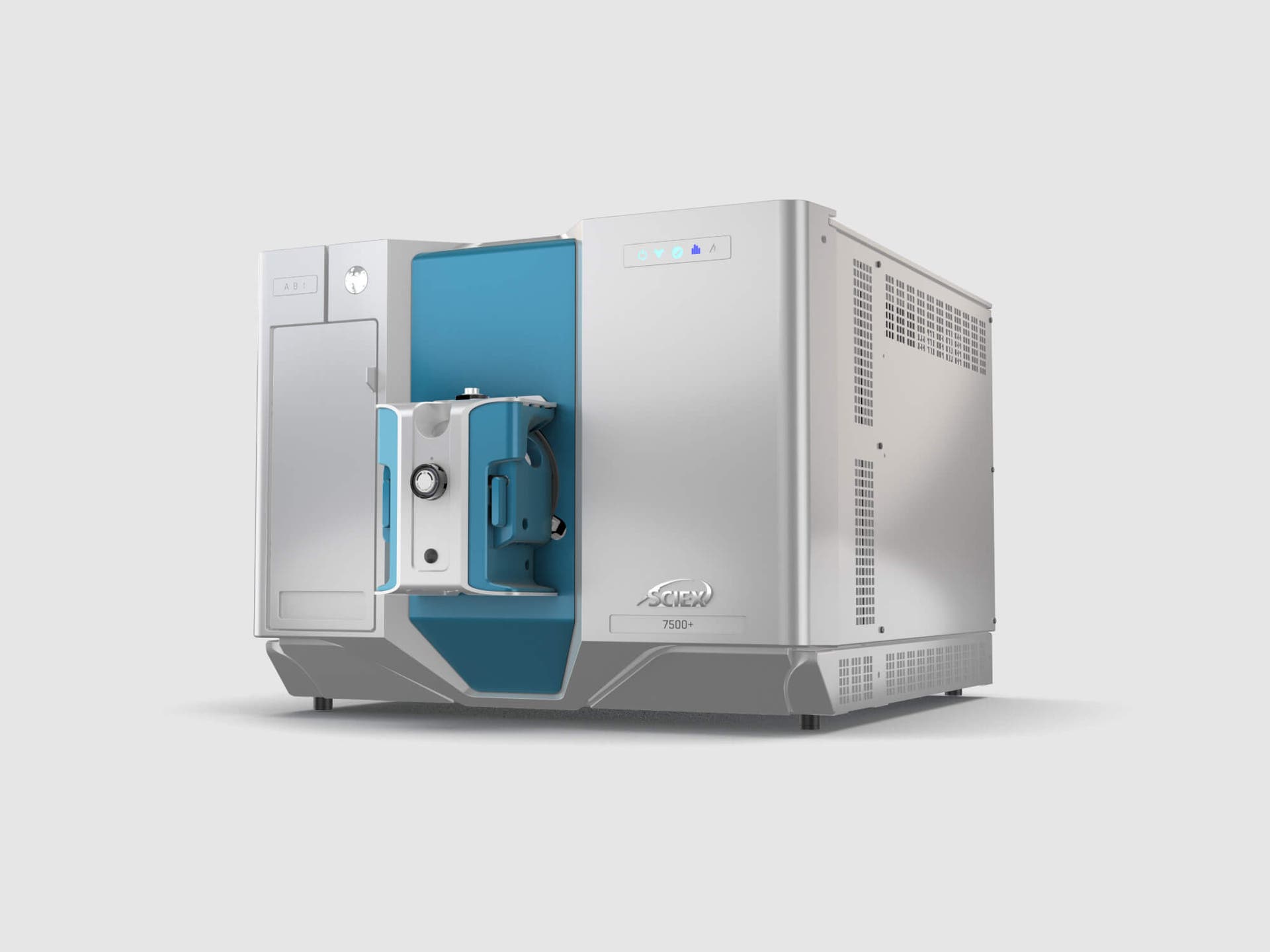
SCIEX 7500+ system
A new standard for instrument resilience and robustness. Engineered to maintain our highest sensitivity for up to twice as long in complex matrices.
Learn more

SCIEX OS software
Unleash the analytical power of the next-generation software platform for data acquisition and processing.
Learn more

Service
Keep your instruments performing at their peak, with multiple options for response time, repair coverage and maintenance.
Learn more
In case you missed it…
Catch up on past months topics
Each month, the Spotlight on series will highlight a different challenging molecule or class of compounds that is related to LC-MS solutions unmatched in sensitivity and accuracy that will help customers meet today’s and future needs.
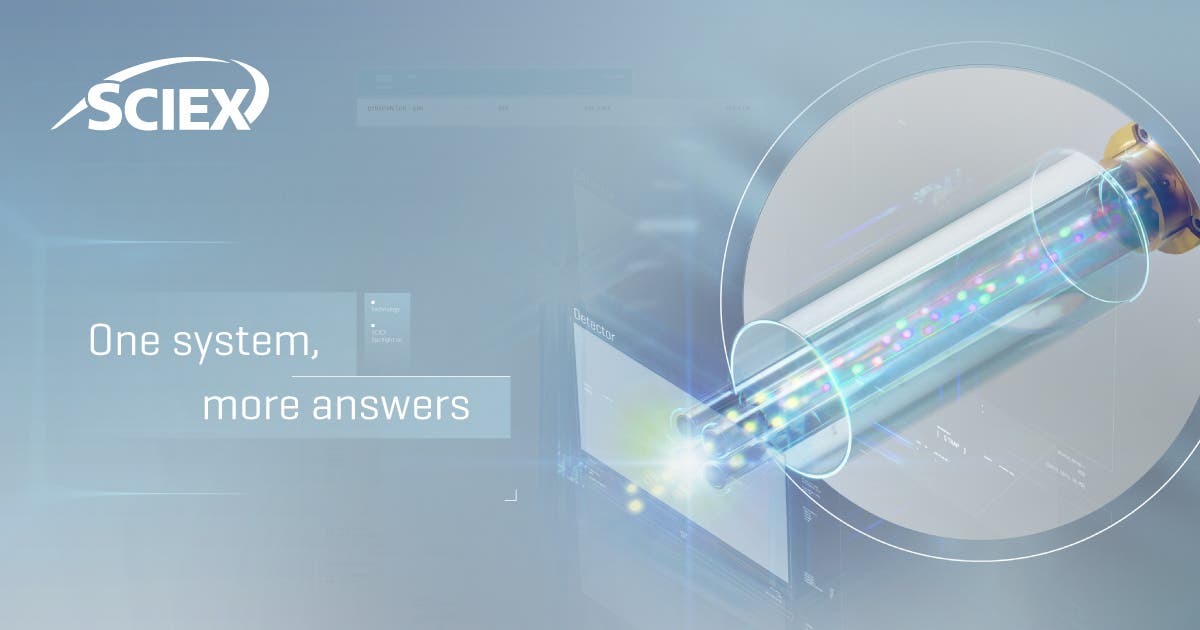
QTRAP
Scientists need more than accurate quantitation; they need confidence in their results. QTRAP systems combine the sensitivity of a triple quadrupole with the structural insight of a linear ion trap, enabling quantitation and confirmation in a single workflow. Discover how QTRAP technology helps laboratories gain deeper analytical insight without adding complexity.
Learn more
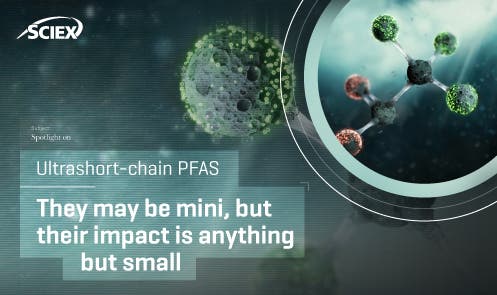
Ultra-short chain PFAS
PFAS are often associated with long-chain “forever chemicals,” but growing concern is shifting to ultrashort-chain PFAS. With just 1–3 fully fluorinated carbons, these compounds are highly water soluble, mobile, and persistent — allowing them to travel far through water, soil, and agricultural systems. Understanding PFAS minis requires sensitive, selective analysis. Discover how SCIEX LC MS/MS workflows are helping labs detect and monitor ultrashort-chain PFAS across matrices
Learn more
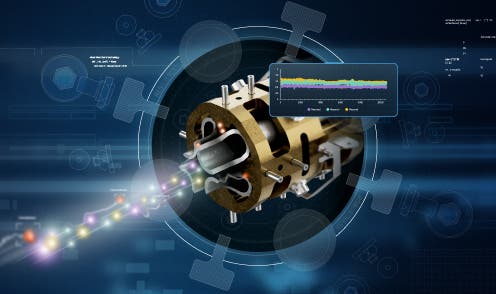
Mass Guard technology
As labs push for ever‑lower quantitation limits in complex matrices and high‑throughput workflows, increasing ion transmission can also increase contamination—putting signal integrity, uptime, and productivity at risk. Sensitivity only delivers value when systems stay clean, stable, and online, even with challenging “dirty” matrices. Mass Guard technology reduces the risk and frequency of instrument contamination, and keeps your lab moving forward. Log in to learn more.
Learn more
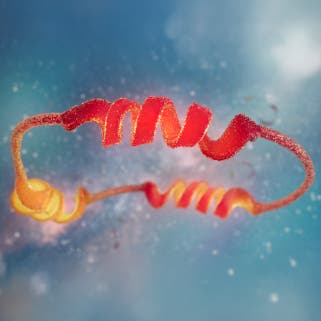
Cyclic peptides
Cyclic peptides are stable, bioactive molecules that resist enzymatic breakdown and can target protein–protein interactions, making them valuable for treating conditions such as autoimmune disease, transplant rejection, and inflammation. While these complex molecules are challenging to analyze, advanced LC MS platforms like the SCIEX 7500+ and 7600+ systems deliver the sensitivity and resolution needed to advance their therapeutic potential.
Learn more
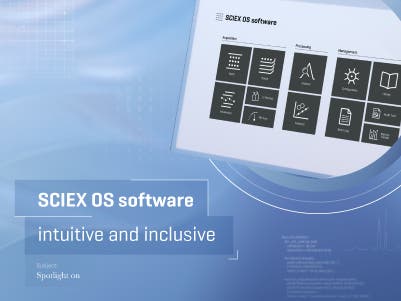
SCIEX OS software
SCIEX OS software streamlines instrument control and automates data processing to simplify lab workflows and support fast, informed decisions. It serves both new and experienced users by maintaining compliance through audit trails and role-based access, while automating routine tasks so scientists can focus on discovery. Designed for all the latest SCIEX mass spectrometry systems and now enhanced with Windows 11 support to meet IT security policies and reduce cybersecurity risks.
Learn more
GLP-1
GLP-1 is a multifaceted hormone that regulates blood glucose, influences appetite and weight, and provides cardiovascular benefits. Continued research and development of GLP-1-based therapies promise to advance and expand potential uses. The sensitivity, specificity, and versatility of LC-MS plays a major role in advancing GLP-1 research with new insights.
Learn more
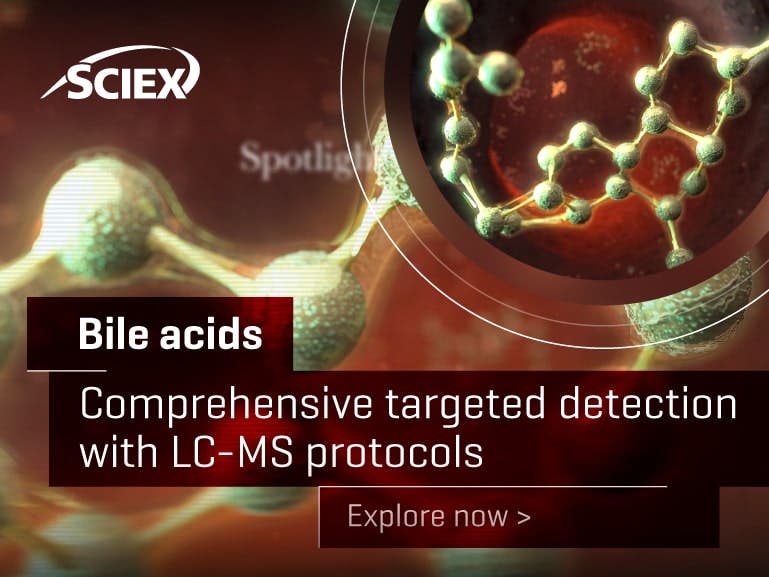
Bile acids
Bile acid biochemistry was once poorly understood, but growing interest in the gut-brain axis and microbiome has sparked new research. LC-MS technology is advancing knowledge of bile acids' roles and potential as therapeutic targets and biomarkers.
Learn more
Oligonucleotides
Oligonucleotides are pivotal in genetic research, diagnostics, and therapeutics. Explore the intricacies of these molecules and how LC-MS technologies are propelling their research to new heights, enabling scientists to achieve exceptional levels of accuracy in oligonucleotide characterization and quantitation.
Learn more
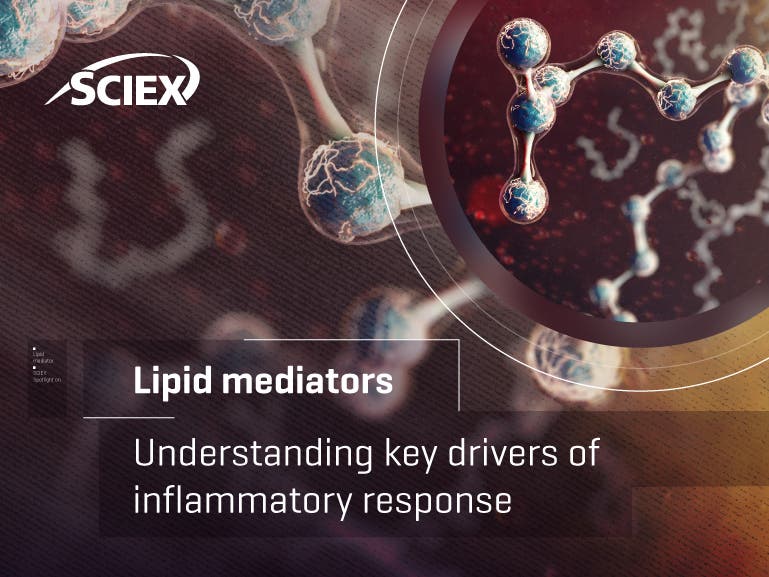
Lipid mediators
Lipid mediators, a highly potent family of signaling molecules, perhaps best known for their role in inflammation. Due to their potent biological activities and often transient existence, precise and sensitive analytical techniques are essential for their study.
Learn more
Nitrosamines
Get a deeper understanding of what makes nitrosamines a concern, what is being done to understand and test for nitrosamines, and how SCIEX LC-MS solutions can help give you confidence in your quantitation needs: for today and tomorrow.
Learn more
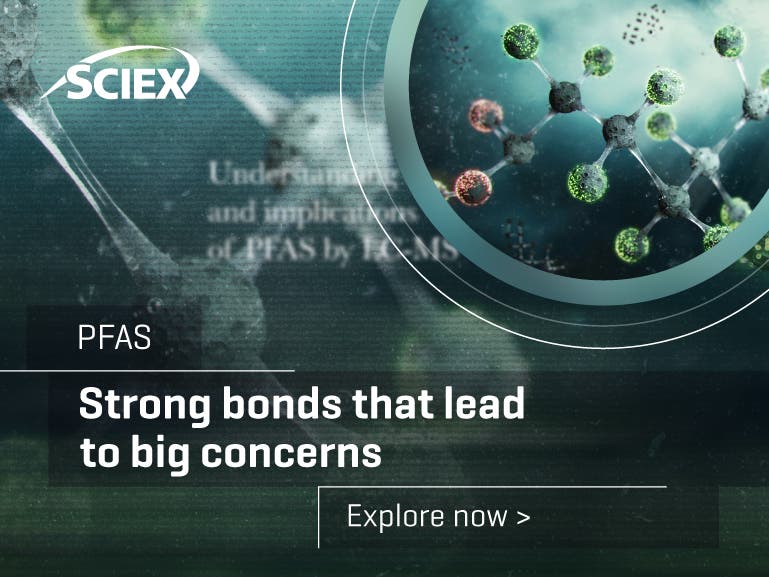
PFAS
PFAS are an extensive, complex group of manufactured chemicals that are ubiquitous throughout the environment, accumulate from many different sources and whose consumption is currently unavoidable. With accumulating toxicity a rising concern, sensitive and resilient analysis is key to understanding exposure risks. LC-MS is considered the gold standard for detecting and quantifying PFAS molecules and has become the “defacto” methodology for analysis.
Learn more
Targeted protein degraders
Targeted protein degraders (TPDs), a cutting-edge approach in the field of drug development. By leveraging an event-driven mechanism that degrades unwanted or harmful proteins, rather than the traditional occupancy-driven approach, TPDs offer several significant therapeutic benefits that make them particularly promising for treating challenging conditions.
Learn more