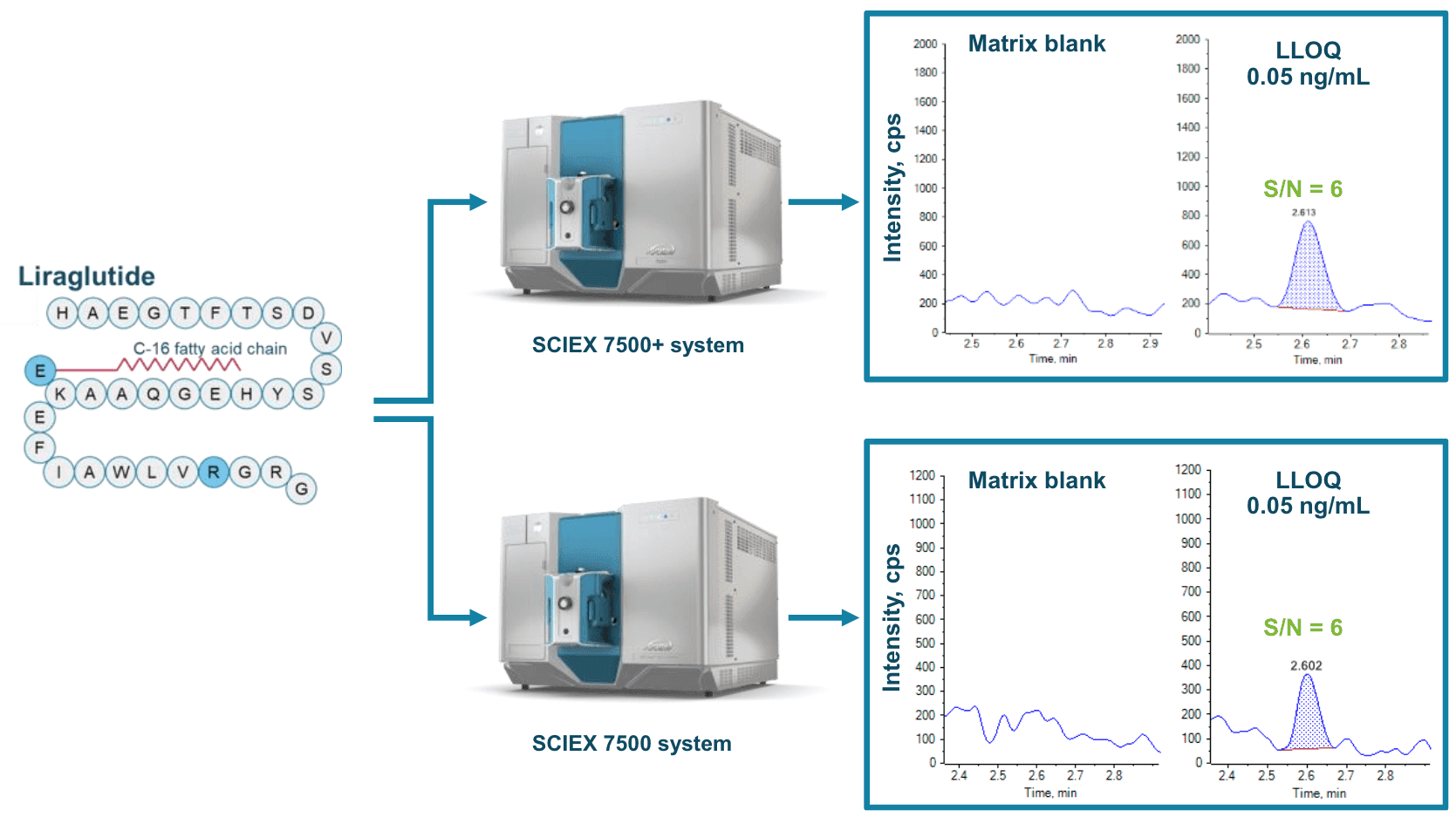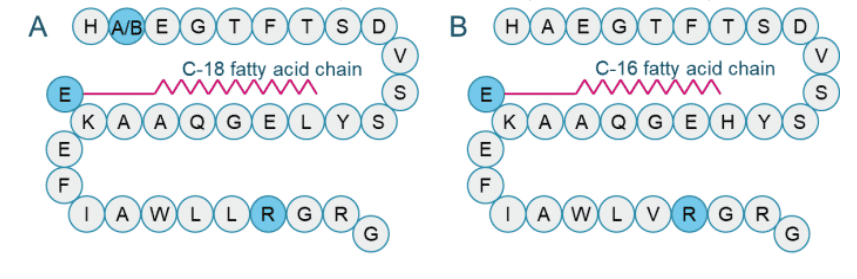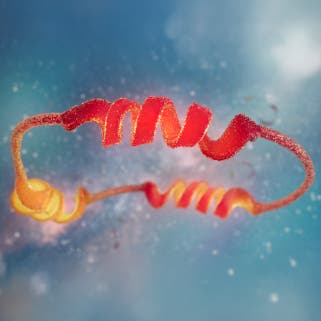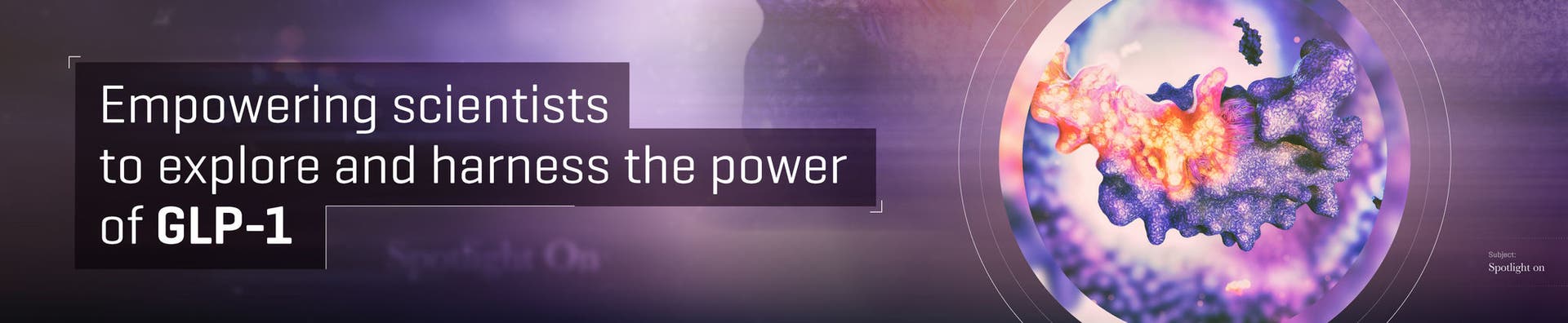
The history of the discovery and development of GLP-1 (glugacon-like peptide) molecules into drugs is a complex story that began almost 100 years ago when researchers discovered the hormone secretin while investigating the role of the gut in glucose metabolism. Several significant milestones along the way, including the discovery of a potent peptide in the Gila monster’s venomous saliva (called Exendin-4) is a testament to the twisting and tangled nature of scientific advancements.
Exendin-4 was found to bind to and activate the same receptor as GLP-1 but has a much longer half-life. This longevity made it an attractive candidate for drug development, as natural GLP-1 is rapidly degraded in the human body, greatly limiting its therapeutic potential.
In 2005, Exentide, the synthetic version of exendin-4, was FDA approved for the treatment of type-2 diabetes. Meanwhile, other researchers were still working on developing long-acting versions of GLP-1, which have now given rise to a whole new set of drugs for treating obesity.