Spotlight on: lipid mediators

What are lipid mediators?

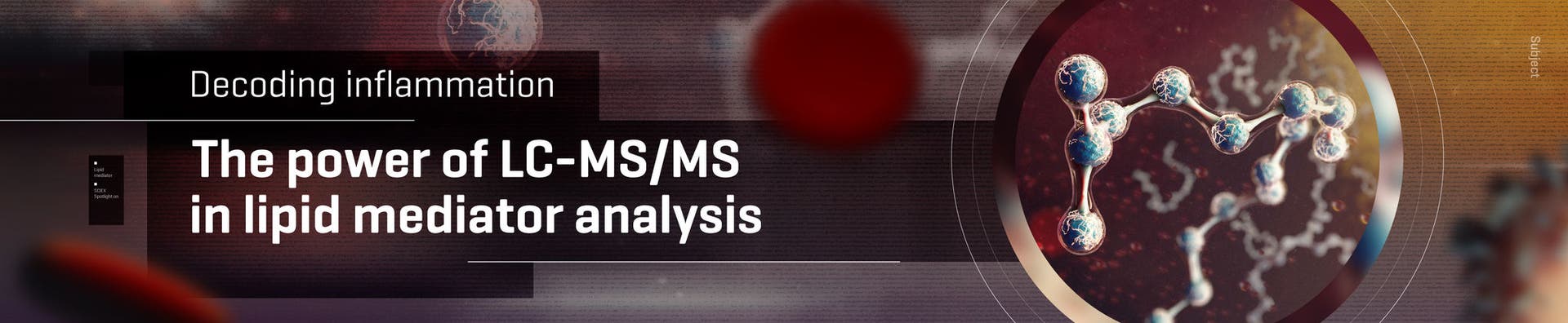
Lipid mediators include a wide variety of locally acting and often short-lived bioactive molecules derived from free fatty acids. This family of molecules are essential signaling molecules that regulate many physiological processes including initiation and resolution of inflammation, immune responses, pain and other important functions. Their balanced activity is crucial for health, and they are the focus of many therapeutic strategies to treat various diseases.

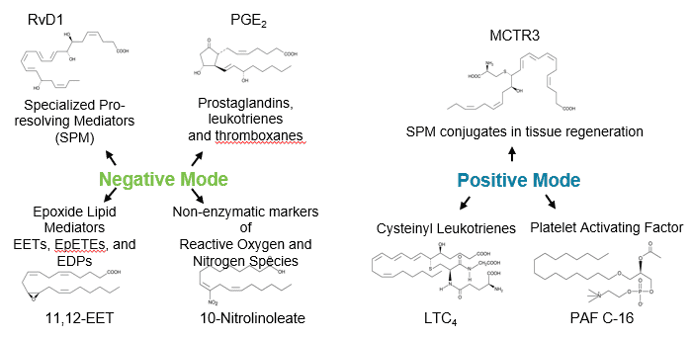
The discovery of lipid mediators initially sparked the development of stable prostaglandin mimetic drugs as well as the development of many non-steroidal anti-inflammatory drugs. The most well-known lipid mediators include members of the prostaglandin and leukotriene classes that are derived from arachidonic acid, while a more diverse array of mediators have been characterized over the years. 
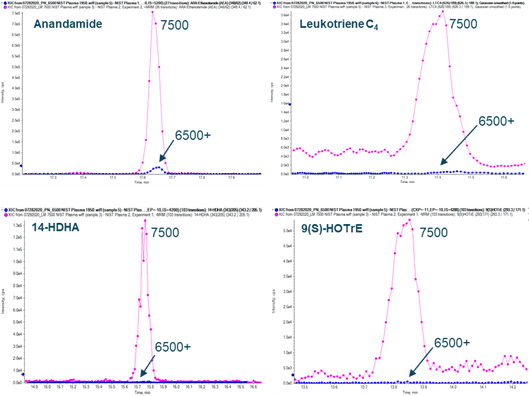
What are the challenges to analysis by LC-MS?

Lipid mediators can activate very potent, dynamic actions in cells (that can even be seen under a microscope!). At the level of entire tissues, one can see their effects change a total immune cell distribution whether through changes in cell trafficking and vascular permeability or enhancing cell clearance through phagocytosis or efferocytosis. Despite these impressive bioactions, many lipid mediators are produced only in specific cell environments through coordinated multi-step or even transcellular biosynthesis and are often rapidly cleared through metabolism or non-enzymatic degradation.

Thus, due to their fleeting nature, the analysis of lipid mediators requires instrumentation that can detect small quantities of these analytes against a backdrop of complex matrices. To compound this challenge, many lipid mediators are isobaric and, in some cases, possess only slight differences in double bond geometries, making chromatography key to resolving these structures.

Why are lipid mediators so interesting?

While lipid mediators have been implicated in many physiological processes, perhaps the best studied has been their role in inflammation. Inflammation is an important and essential cellular mechanism, and lipid mediators play a vital role in its mitigation. While complete resolution of an acute inflammatory response is the ideal outcome, in some cases, uncontrolled, chronic inflammation can develop. Over time, chronic inflammation has been associated with many pathologies, such as:
 

  • Arthritis
  • Diabetes
  • Cardiovascular diseases like atherosclerosis, myocarditis, heart failure and vasculitis

Identifying therapeutic approaches targeted at stimulating acute resolution as well as correcting the impact of chronic inflammation with lipid mediators would have significant, widespread benefits. 

Using LC-MS-based methods for the analysis of lipid mediators

Despite being part of very powerful bioactions, many lipid mediators are produced only in specific cell environments through coordinated multi-step or even transcellular biosynthesis and are often rapidly cleared through metabolism or non-enzymatic degradation. Thus, the ability to identify and differentiate between many structurally related and similar lipid mediators at low concentrations in biological samples is critical to the understanding of human physiology and disease response.

SCIEX triple quadrupole systems have several unique advantages for the analysis of these subtle yet integral molecules. High sensitivity in negative mode, along with fast polarity switching, a powerful ionization source that mitigates ion suppression from the heavy matrices, and several compelling software features for identifying and confirming structural identity, are just a few of the advantages of SCIEX triple quadrupole systems that enable the reliable and accurate LC-MS analysis of lipid mediators. Read below for more.

Lipid mediators are a diverse and complex group of molecules with ongoing research to uncover their roles and therapeutic potential. Here are some key benefits and roles of lipid mediators:

  • Inflammation regulation: Lipid mediators can either initiate or mitigate inflammatory responses. Some stir it up by recruiting immune cells to sites of infection or injury whereas others help resolve inflammation and promote the healing process, ensuring that the inflammation response does not become chronic or excessive
  • Immune system modulation: Lipid mediators can modulate the activity of immune cells, including T cells, B cells and macrophages. They help in balancing immune responses to prevent overreaction (autoimmunity) or underreaction (immunodeficiency)
  • Pain management: Prostaglandins are involved in the sensation of pain and can increase pain sensitivity. Targeting these mediators with medications like NSAIDs (non-steroidal anti-inflammatory drugs) can help manage pain
  • Metabolic regulation: Some lipid mediators are involved in metabolic processes and can influence energy balance, so they are being studied for their roles in metabolic disorders like obesity and diabetes
  • Cardiovascular health: Certain lipid mediators help in maintaining cardiovascular health by regulating blood pressure, vascular integrity and the balance between pro-thrombotic and anti-thrombotic forces
  • Cancer inhibition: Lipid mediators can influence tumor growth and metastasis. While some promote tumor progression, others can inhibit it. Understanding their role in cancer inhibition could lead to the development of new cancer therapies

SCIEX, there where it counts

  • Optiflow Pro Ion source technology helps minimize ion suppression in complex matrices, allowing for accurate detection of small quantities of lipids to be analyzed
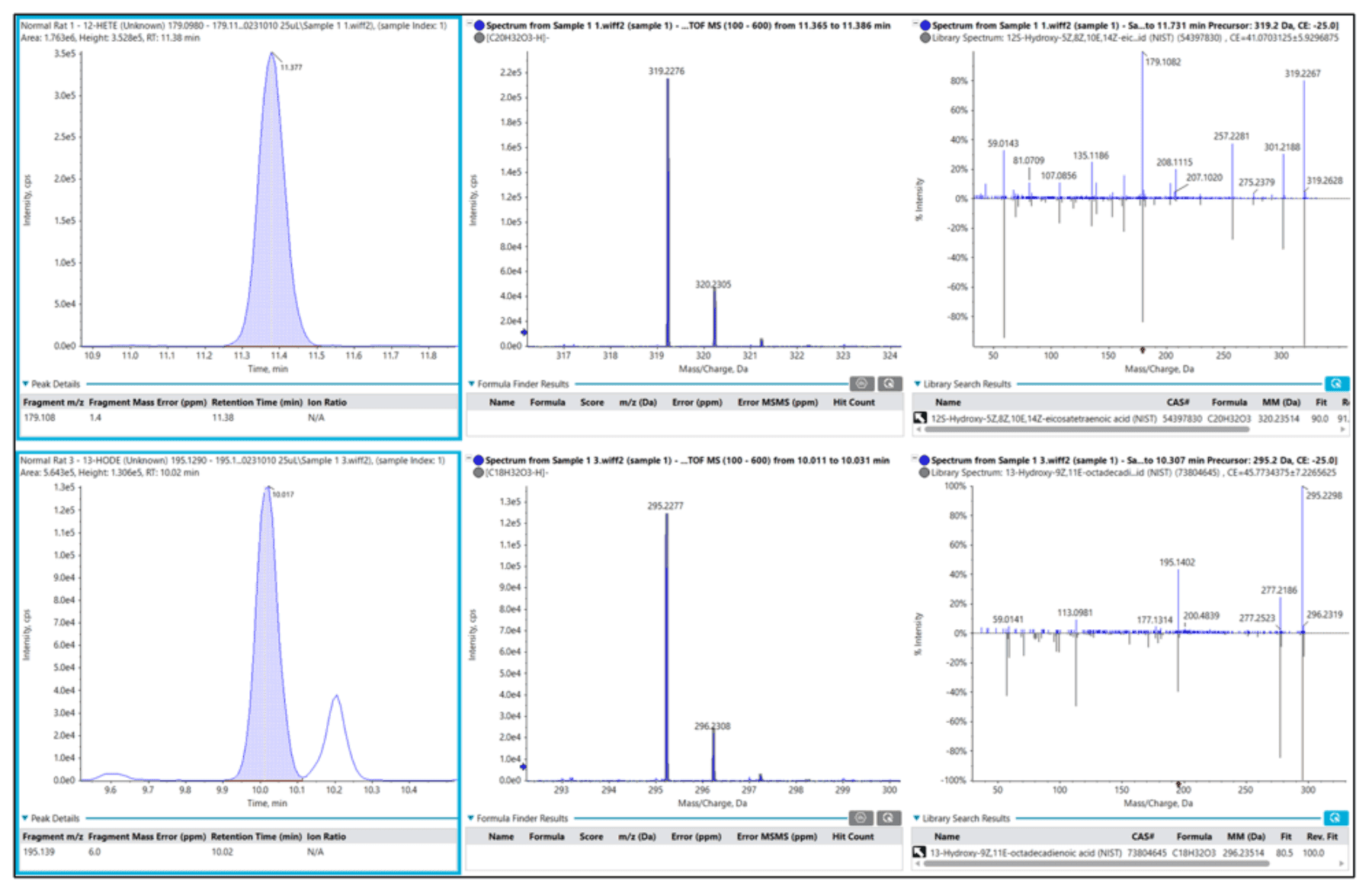
  • The renowned high sensitivity of SCIEX triple quadrupole systems in negative mode, along with QTRAP functionality, allows the acquisition of rapid, highly sensitive product ion scans – offering accurate MS/MS data for library confirmation along with MRM quant data in the same run
  • The ability to easily quantify and confirm structural identity via SCIEX OS and LibraryView software has advanced LC-MS analysis, giving confidence in the data and access to higher throughput

Explore why high sensitivity analysis is key for the analysis of lipid mediators

Explore more

Measuring the endogenous concentrations of targeted lipid mediators in rat plasma

Explore more

Learn about the quantitation of a wide diversity of lipid mediator species within one 20 minute MRM assay

Watch webinar on demand

For a deeper dive on other technical content that spans a diverse range of molecules and challenging compounds, please explore our content library, New Frontiers in Quantitation.

Explore more

Solution

Ultimate quantitation

Benefits:

  • Reliably quantify at low limits
  • Future-proof your methods
ExionLC AE system

Reproducibility, reliability and carryover performance to match your quantitative workflows. Dependability you can count on, from injection to injection and batch after batch.

Learn more
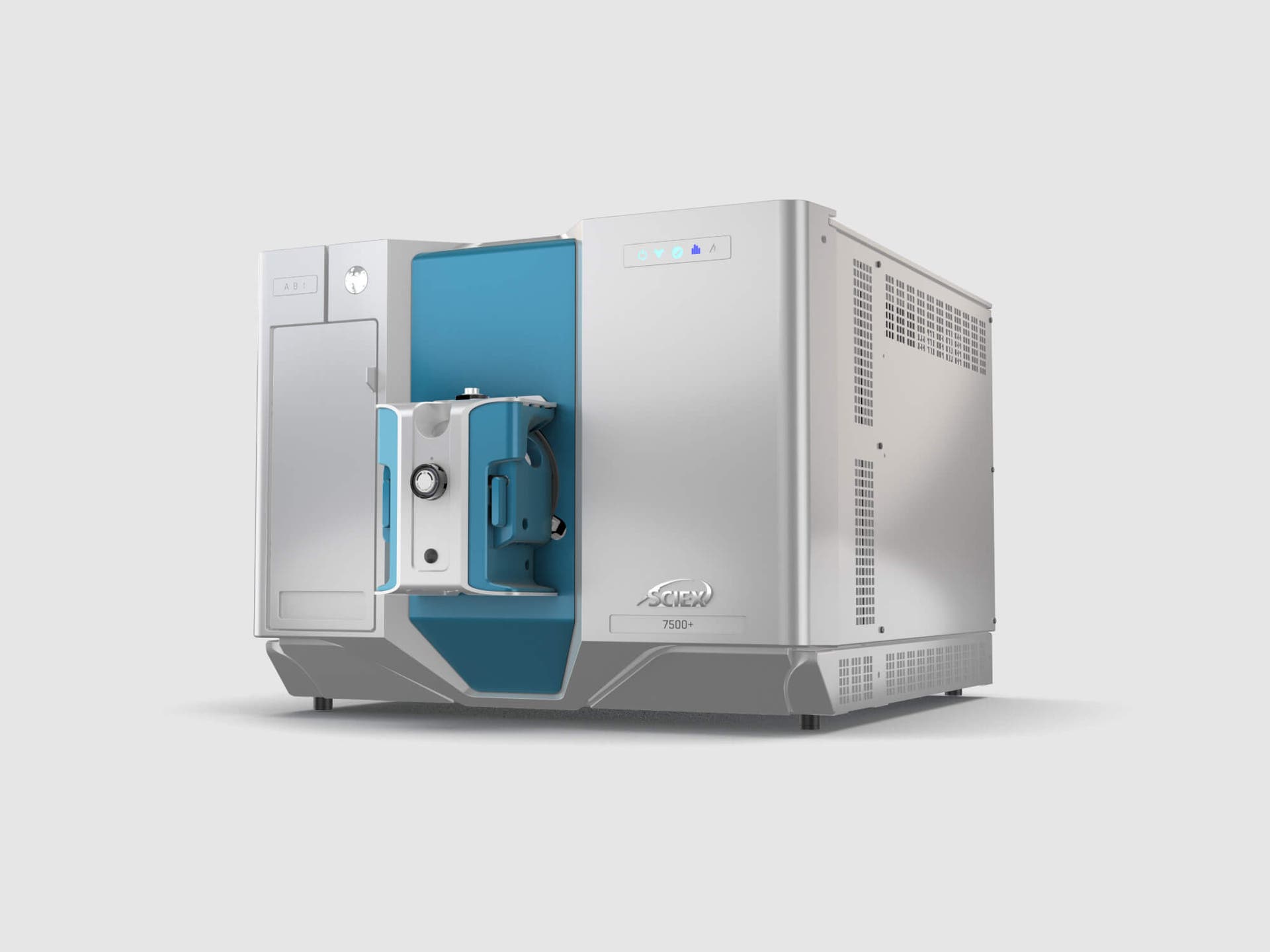
SCIEX 7500+ system

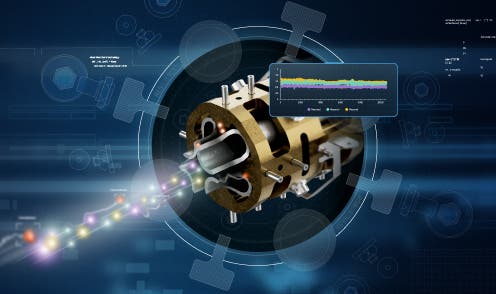
A new standard for instrument resilience and robustness. Engineered to maintain our highest sensitivity for up to twice as long in complex matrices.

Learn more
SCIEX OS software

Unleash the analytical power of the next-generation software platform for data acquisition and processing.

Learn more
Service

Keep your instruments performing at their peak, with multiple options for response time, repair coverage and maintenance.

Learn more

In case you missed it…

Catch up on past months topics

            Each month, the Spotlight on series will highlight a different challenging molecule or class of compounds as well as related LC-MS solutions, unmatched in terms of sensitivity and accuracy, that will help customers meet today’s and future needs.

Cyclic Peptides

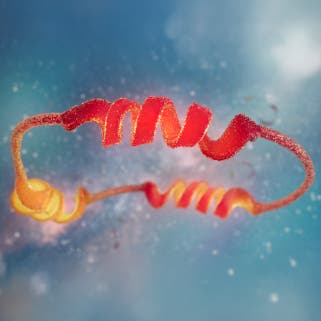
Cyclic peptides are stable, bioactive molecules that resist enzymatic breakdown and can target protein–protein interactions, making them valuable for treating conditions such as autoimmune disease, transplant rejection, and inflammation. While these complex molecules are challenging to analyze, advanced LC MS platforms like the SCIEX 7500+ and 7600+ systems deliver the sensitivity and resolution needed to advance their therapeutic potential.

Learn more
SCIEX OS software

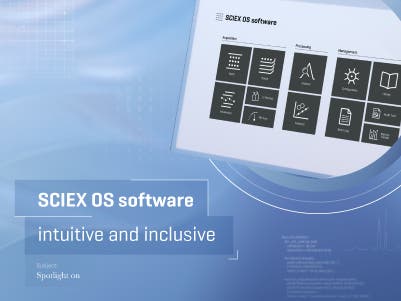
SCIEX OS software streamlines instrument control and automates data processing to simplify lab workflows and support fast, informed decisions. It serves both new and experienced users by maintaining compliance through audit trails and role-based access, while automating routine tasks so scientists can focus on discovery. Designed for all the latest SCIEX mass spectrometry systems and now enhanced with Windows 11 support to meet IT security policies and reduce cybersecurity risks.

Learn more
GLP-1

GLP-1 is a multifaceted hormone that regulates blood glucose, influences appetite and weight, and provides cardiovascular benefits. Continued research and development of GLP-1-based therapies promise to advance and expand potential uses. The sensitivity, specificity, and versatility of LC-MS plays a major role in advancing GLP-1 research with new insights.

Learn more
Bile acids

Bile acid biochemistry was once poorly understood, but growing interest in the gut-brain axis and microbiome has sparked new research. LC-MS technology is advancing knowledge of bile acids' roles and potential as therapeutic targets and biomarkers.

Learn more
Fentanyl

Fentanyl has garnered significant attention in recent years due to its critical role in both medical and illicit contexts. As a compound, it offers unparalleled pain relief, but also contributes to an alarming rate of opioid-related overdoses. Studying fentanyl is essential to developing effective therapeutic applications, understanding its pharmacokinetics, and addressing the public health crisis it poses. LC-MS/MS has emerged as a transformative technology in advancing fentanyl research, providing precise and comprehensive analytical capabilities.

Learn more
Oligonucleotides

Oligonucleotides are pivotal in genetic research, diagnostics, and therapeutics. Explore the intricacies of these molecules and how LC-MS technologies are propelling their research to new heights, enabling scientists to achieve exceptional levels of accuracy in oligonucleotide characterization and quantitation.

Learn more
Lipid mediators

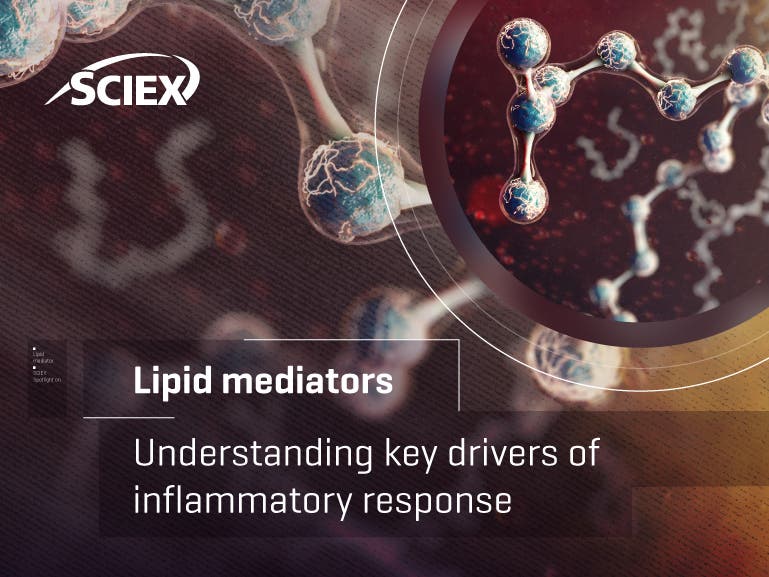
The third topic in the Spotlight on series explores lipid mediators, a highly potent family of signaling molecules, perhaps best known for their role in inflammation. Due to their potent biological activities and often transient existence, precise and sensitive analytical techniques are essential for their study.

Learn more
Nitrosamines

Get a deeper understanding of what makes nitrosamines a concern, what is being done to understand and test for nitrosamines, and how SCIEX LC-MS solutions can help give you confidence in your quantitation needs: for today and tomorrow.

Learn more
PFAS

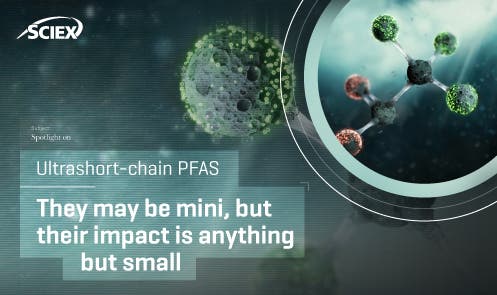
PFAS are an extensive, complex group of manufactured chemicals that are ubiquitous throughout the environment, accumulate from many different sources and whose consumption is currently unavoidable. With accumulating toxicity a rising concern, sensitive and resilient analysis is key to understanding exposure risks. LC-MS is considered the gold standard for detecting and quantifying PFAS molecules and has become the “defacto” methodology for analysis.

Learn more
Targeted protein degraders

The second topic in the Spotlight on series covers targeted protein degraders (TPDs), a cutting-edge approach in the field of drug development. By leveraging an event-driven mechanism that degrades unwanted or harmful proteins, rather than the traditional occupancy-driven approach, TPDs offer several significant therapeutic benefits that make them particularly promising for treating challenging conditions.

Learn more