Spotlight on: GLP-1

What are GLP-1?

The history of the discovery and development of GLP-1 (glugacon-like peptide) molecules into drugs is a complex story that began almost 100 years ago when researchers discovered the hormone secretin while investigating the role of the gut in glucose metabolism. Several significant milestones along the way, including the discovery of a potent peptide in the Gila monster’s venomous saliva (called Exendin-4) is a testament to the twisting and tangled nature of scientific advancements. 

Exendin-4 was found to bind to and activate the same receptor as GLP-1 but has a much longer half-life. This longevity made it an attractive candidate for drug development, as natural GLP-1 is rapidly degraded in the human body, greatly limiting its therapeutic potential.

In 2005, Exentide, the synthetic version of exendin-4, was FDA approved for the treatment of type-2 diabetes. Meanwhile, other researchers were still working on developing long-acting versions of GLP-1, which have now given rise to a whole new set of drugs for treating obesity. 
What are the challenges with analysis by LC-MS?

Accurate and precise quantitation of both the active and inactive forms of GLP-1 and GIP (glucose-dependent insulinotropic peptide) is valuable for understanding their effect on glycemic control and assessing their efficacy.

Since GLP-1 compounds are peptides and have a complex three-dimensional structure, it can also be difficult to analyze their activity and interactions with other molecules. Historical methods have been based on immunomediated techniques that are not able to distinguish between the active and non-active forms of the peptides.

Not only that, but in biological samples, GLP-1 exhibits low concentrations and rapid clearance, which makes it challenging to detect and quantify them accurately. And with a high binding affinity for their receptors, the analysis of free versus bound peptide concentrations in biological samples can be affected. Recently LC-MS techniques are showing great success for both the accurate and precise quantitation of GLP-1 drugs. 

Why are GLP-1 so interesting?

GLP-1 is the endogenous incretin hormone that is released in the gut after eating and is involved in the regulation of blood sugar by enhancing insulin secretion.  It’s incredibly short half-life however, made this particular peptide impossible to make into a drug as it was extremely difficult to maintain effective levels of the hormone in the bloodstream. Consequently, developing delivery methods that enhance the stability and prolong the action of GLP-1 was of great interest. Current approaches use GLP-1 analogs that were developed that mimic the actions of GLP-1 and activate the GLP-1 receptor.

GLP-1 analogs work as drugs by several actions. They stimulate insulin production from the pancreas which helps lower blood sugar levels, and they slow gastric emptying which helps prevent blood sugar spikes and improves absorption of key nutrients. Additionally, they promote weight loss by reducing appetite and increasing feelings of fullness. 

Using LC-MS for GLP-1 testing 

One of the primary reasons LC-MS is indispensable in GLP-1 research is its unparalleled precision and sensitivity. GLP-1 is present in very low concentrations in biological matrices, making its detection and quantitation challenging, and LC-MS allows researchers to detect these minute quantities accurately, ensuring reliable data. It is also highly adaptable to various types of samples and can effectively handle complex biological matrices, providing clear and comprehensive insights into the behavior and function of GLP-1 across different studies.​

Understanding the structural nuance of GLP-1 analogs is another crucial aspect. Where triple quadrupoles are critical for quantitation, high-resolution instruments like QTOFs can offer detailed structural characterization, enabling researchers to elucidate the molecular composition, post-translational modifications, and potential degradation products of GLP-1. Achieving such detailed quantitative and qualitative analyses is essential for developing new therapeutic agents and ensuring their efficacy and safety.​

LC-MS has played a pivotal role in the research and development of these therapeutics by providing detailed insights into their pharmacokinetics, metabolism, and interactions with other biomolecules. This has led to the optimization of drug design and the improvement of therapeutic outcomes.

Some facts about GLP-1

  • Research is being conducted for indications such as obesity, type 2 diabetes, cardiovascular risk reduction, chronic kidney disease, non-alcoholic fatty liver disease, Alzheimer’s disease, and polycystic ovary syndrome
  • GLP-1 is utilized in the treatment of diabetes, serving approximately 537 million adults worldwide
  • Recent studies have shown that semaglutide also works on the brain, suggesting its potential utility for various diseases, including Parkinson's disease and Alzheimer's disease. [1]
  • In 2024, analysts predicted that GLP-1 receptor agonist drugs could generate over $100 billion annually by the 2030s
  • The June 2024 conference of the American Diabetes Association in Orlando, Florida, included presentations on 27 GLP-1 receptor agonists that were in development at the time. [2]

Quantitative performance of a next-generation, highly robust triple quadrupole mass spectrometer

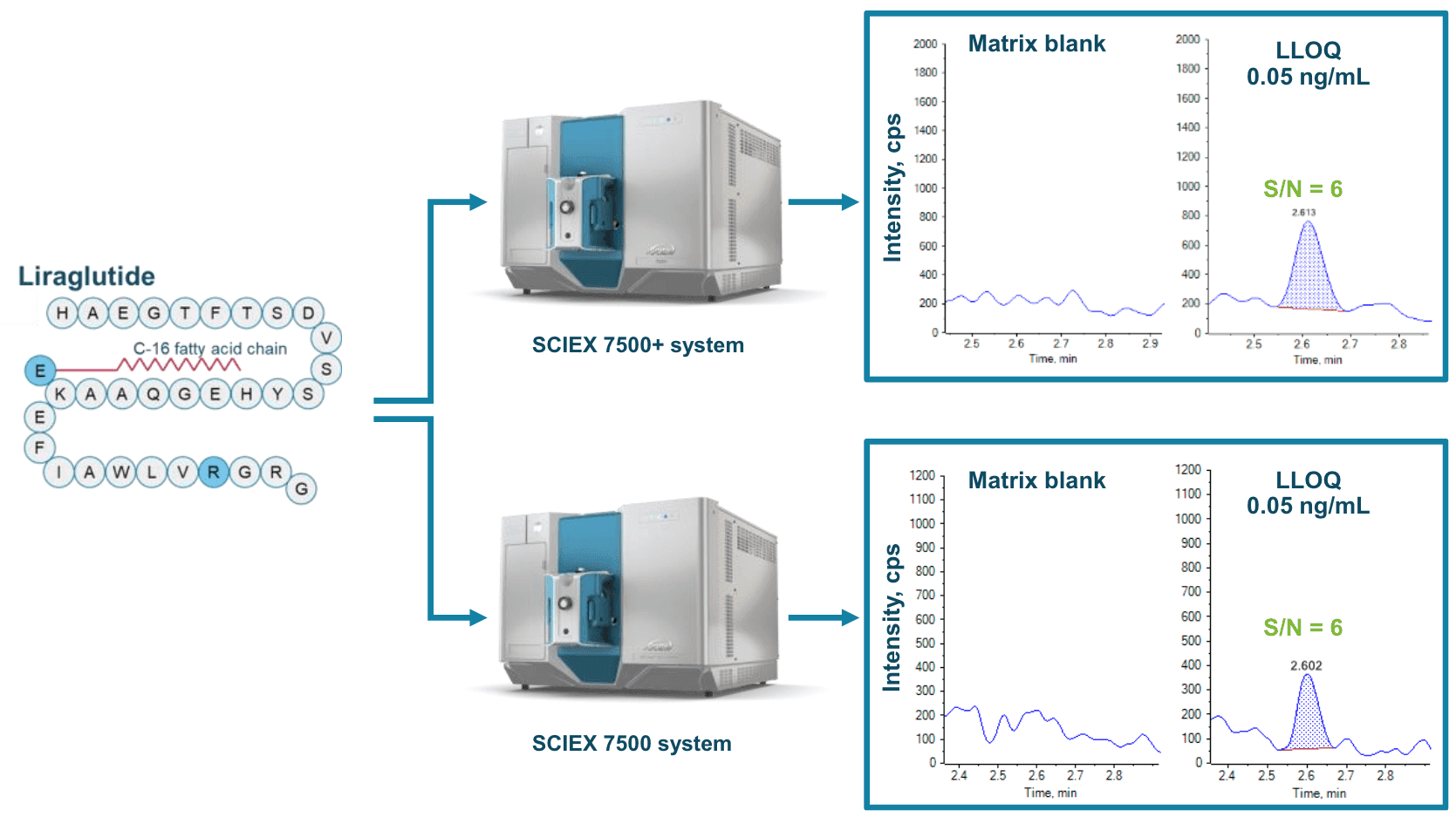
Instrument reliability is imperative in meeting the arduous timelines during drug discovery and development. Explore this technical note that shows the SCIEX 7500+ with enhanced robustness using Mass Guard technology for the analysis of GLP-1 analog, liraglutide.

Explore more

Pharmaceutical quantitation solution guide

This guide covers bio/pharmaceutical quantitative assays from discovery to QA/QC, for large and small molecules. Discussing challenges regularly faced by scientists, along with potential solutions. 

Learn more

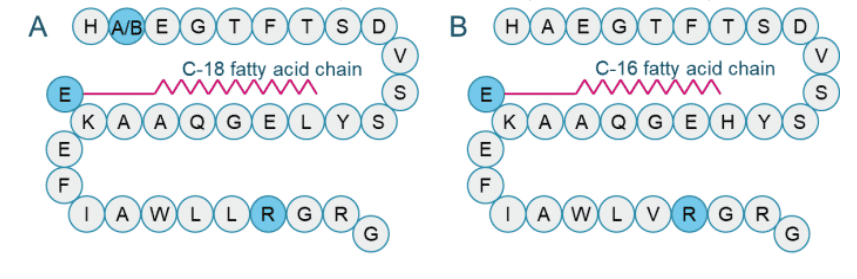
Low-ng/mL quantitation of glucagon-like peptide-1 (GLP-1) analog in rat plasma

A sensitive method to quantify a glucagon-like peptide-1 (GLP-1) analog, semaglutide, in rat plasma on a high-end triple quadrupole mass spectrometer.

Explore more

Solution

Ultimate quantitation

Benefits:

  • Reliably quantify at low limits
  • Future-proof your methods
ExionLC AE system

Reproducibility, reliability and carryover performance to match your quantitative workflows. Dependability you can count on, from injection to injection and batch after batch.

Learn more
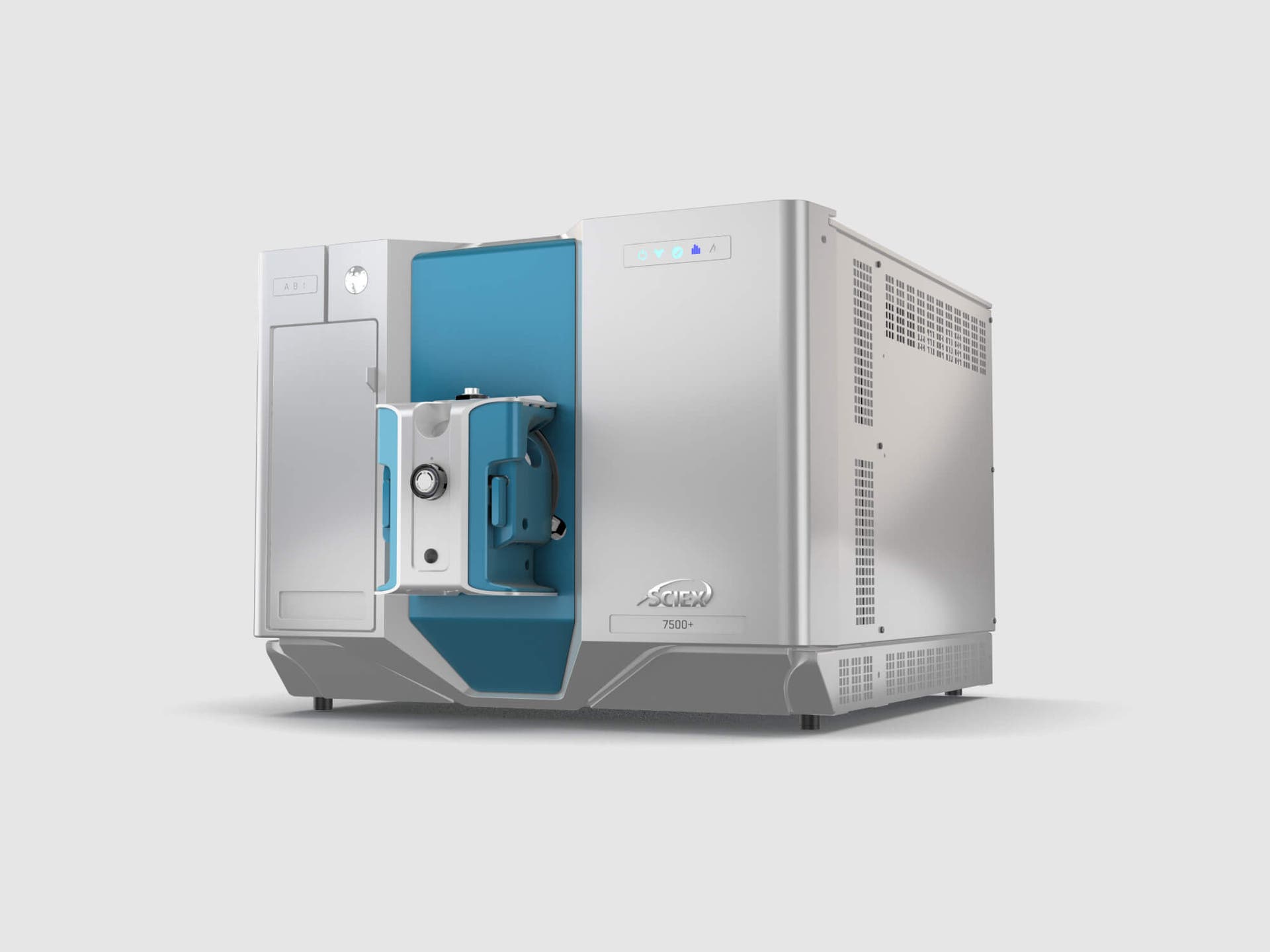
SCIEX 7500+ system

A new standard for instrument resilience and robustness. Engineered to maintain our highest sensitivity for up to twice as long in complex matrices.

Learn more
SCIEX OS software

Unleash the analytical power of the next-generation software platform for data acquisition and processing.

Learn more
Service

Keep your instruments performing at their peak, with multiple options for response time, repair coverage and maintenance.

Learn more

In case you missed it…

Catch up on past months topics

            Each month, the Spotlight on series will highlight a different challenging molecule or class of compounds as well as related LC-MS solutions, unmatched in terms of sensitivity and accuracy, that will help customers meet today’s and future needs.

Cyclic Peptides

Cyclic peptides are stable, bioactive molecules that resist enzymatic breakdown and can target protein–protein interactions, making them valuable for treating conditions such as autoimmune disease, transplant rejection, and inflammation. While these complex molecules are challenging to analyze, advanced LC MS platforms like the SCIEX 7500+ and 7600+ systems deliver the sensitivity and resolution needed to advance their therapeutic potential.

Learn more
SCIEX OS software

SCIEX OS software streamlines instrument control and automates data processing to simplify lab workflows and support fast, informed decisions. It serves both new and experienced users by maintaining compliance through audit trails and role-based access, while automating routine tasks so scientists can focus on discovery. Designed for all the latest SCIEX mass spectrometry systems and now enhanced with Windows 11 support to meet IT security policies and reduce cybersecurity risks.

Learn more
GLP-1

GLP-1 is a multifaceted hormone that regulates blood glucose, influences appetite and weight, and provides cardiovascular benefits. Continued research and development of GLP-1-based therapies promise to advance and expand potential uses. The sensitivity, specificity, and versatility of LC-MS plays a major role in advancing GLP-1 research with new insights.

Learn more
Bile acids

Bile acid biochemistry was once poorly understood, but growing interest in the gut-brain axis and microbiome has sparked new research. LC-MS technology is advancing knowledge of bile acids' roles and potential as therapeutic targets and biomarkers.

Learn more
Fentanyl

Fentanyl has garnered significant attention in recent years due to its critical role in both medical and illicit contexts. As a compound, it offers unparalleled pain relief, but also contributes to an alarming rate of opioid-related overdoses. Studying fentanyl is essential to developing effective therapeutic applications, understanding its pharmacokinetics, and addressing the public health crisis it poses. LC-MS/MS has emerged as a transformative technology in advancing fentanyl research, providing precise and comprehensive analytical capabilities.

Learn more
Oligonucleotides

Oligonucleotides are pivotal in genetic research, diagnostics, and therapeutics. Explore the intricacies of these molecules and how LC-MS technologies are propelling their research to new heights, enabling scientists to achieve exceptional levels of accuracy in oligonucleotide characterization and quantitation.

Learn more
Lipid mediators

The third topic in the Spotlight on series explores lipid mediators, a highly potent family of signaling molecules, perhaps best known for their role in inflammation. Due to their potent biological activities and often transient existence, precise and sensitive analytical techniques are essential for their study.

Learn more
Nitrosamines

Get a deeper understanding of what makes nitrosamines a concern, what is being done to understand and test for nitrosamines, and how SCIEX LC-MS solutions can help give you confidence in your quantitation needs: for today and tomorrow.

Learn more
PFAS

PFAS are an extensive, complex group of manufactured chemicals that are ubiquitous throughout the environment, accumulate from many different sources and whose consumption is currently unavoidable. With accumulating toxicity a rising concern, sensitive and resilient analysis is key to understanding exposure risks. LC-MS is considered the gold standard for detecting and quantifying PFAS molecules and has become the “defacto” methodology for analysis.

Learn more
Targeted protein degraders

The second topic in the Spotlight on series covers targeted protein degraders (TPDs), a cutting-edge approach in the field of drug development. By leveraging an event-driven mechanism that degrades unwanted or harmful proteins, rather than the traditional occupancy-driven approach, TPDs offer several significant therapeutic benefits that make them particularly promising for treating challenging conditions.

Learn more