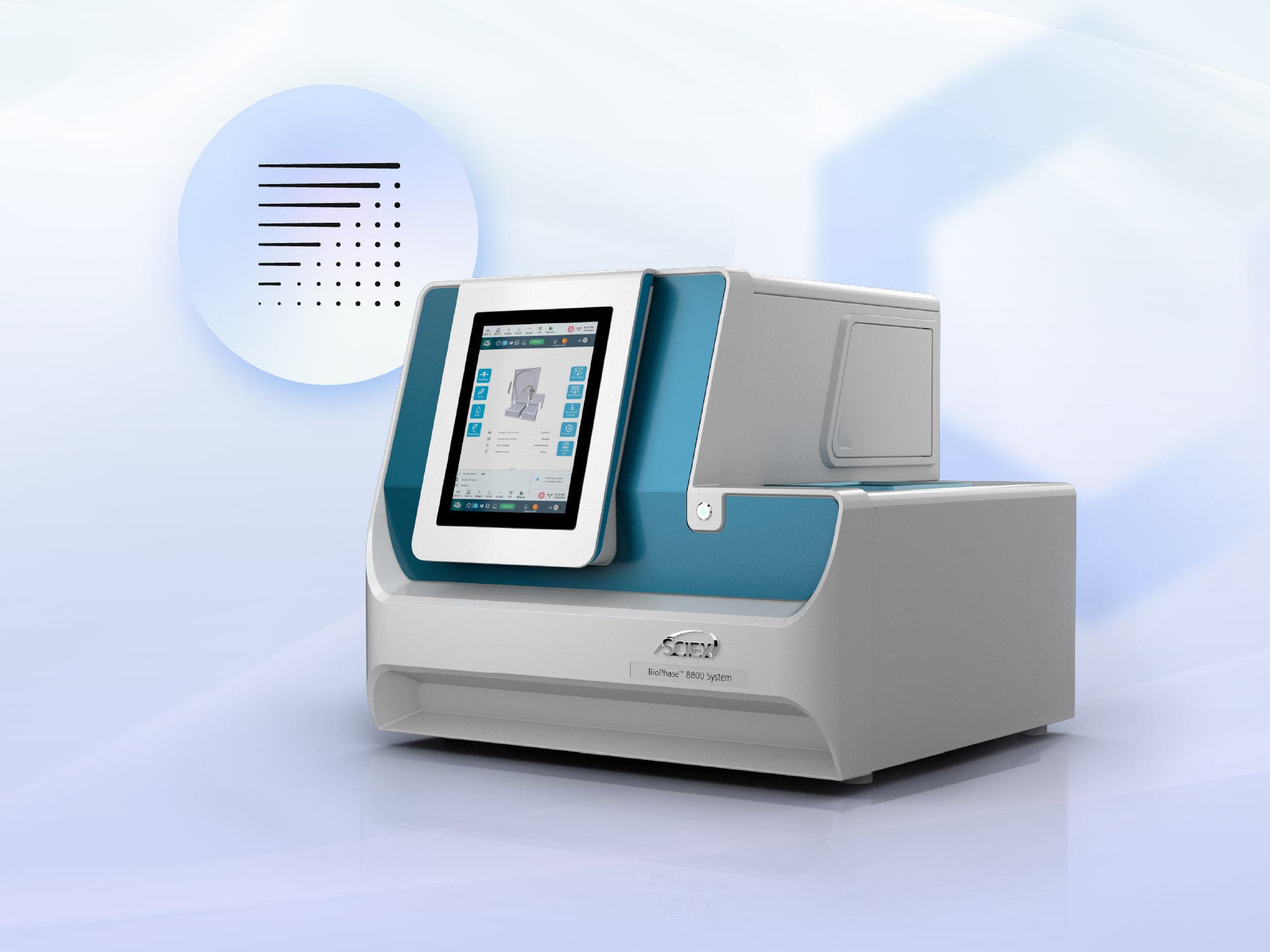
As biopharma pipelines move faster, analytical workflows need to scale without losing consistency. Manual processes and disconnected systems can slow development, introduce variability, and create gaps between stages. The BioPhase Instrument Application Programming Interface (API) enables integration of the BioPhase 8800 system with existing laboratory automation platforms. From remote sequence execution and real-time instrument monitoring to allowing workflow orchestration and automated data acquisition, the BioPhase Instrument API helps development teams scale to meet the demands of modern biopharma. |

Keep what works. Expand where it can go.
BioPhase Instrument API
| Connect the BioPhase 8800 system into workflows that don’t wait. |
Scale without losing visibility
| Automate routine workflow execution |
Enable external software platforms to remotely start, monitor, and stop BioPhase 8800 system sequence runs, helping reduce manual intervention and improve workflow consistency. |
| Monitor and manage instrument operations |
Support remote control of key instrument functions, including workflow execution, tray operations, and system status monitoring. |
| Expand instrument utilization |
Support automated and unattended workflows to help maximize throughput and increase operational efficiency. |
The BioPhase Instrument API provides programmatic access to key instrument control and sequence execution functions, supporting integration with external software applications and connected laboratory environments.
Capabilities include:
- Cartridge temperature control
- Sample storage temperature control
- Detector control
- Cartridge management
- Sample tray operation
The BioPhase Instrument API enables automation platforms to remotely interact with BioPhase 8800 system workflows, which can support more efficient and higher throughput laboratory operations.
Capabilities include:
- Start sequence acquisition
- Monitoring of analytical progress
- Stop sequence execution
- Allow integration with scheduling, orchestration, and robotic systems
- Ability to access project and sequence information
Maintain visibility into instrument status and workflow execution through API-enabled monitoring capabilities. Capabilities include:
|
Related products
-
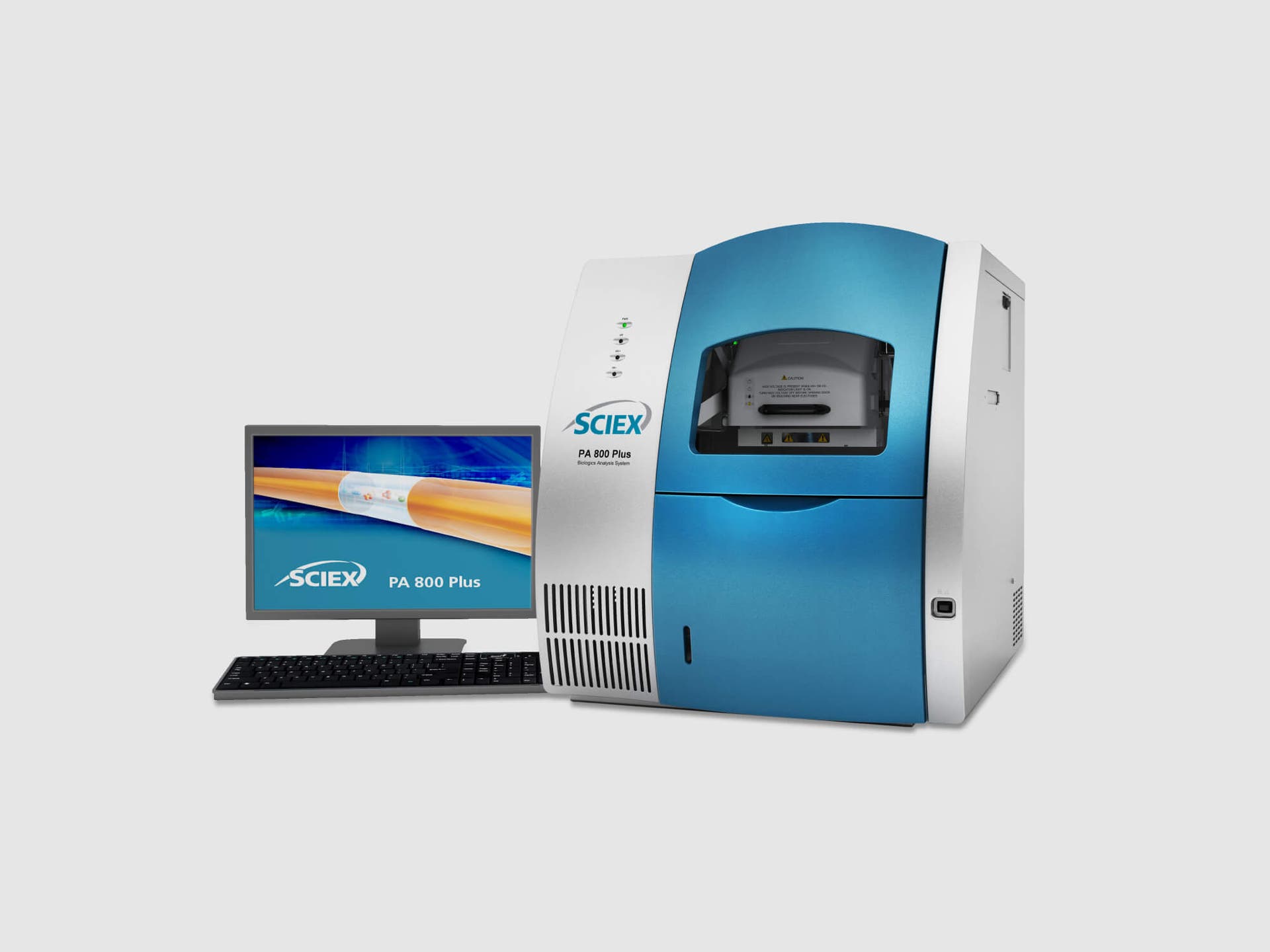 PA 800 Plus system
Take advantage of a flexible platform for multiple analytical assays with a temperature-controlled capillary for the highest data reproducibility and confidence.
Learn more -
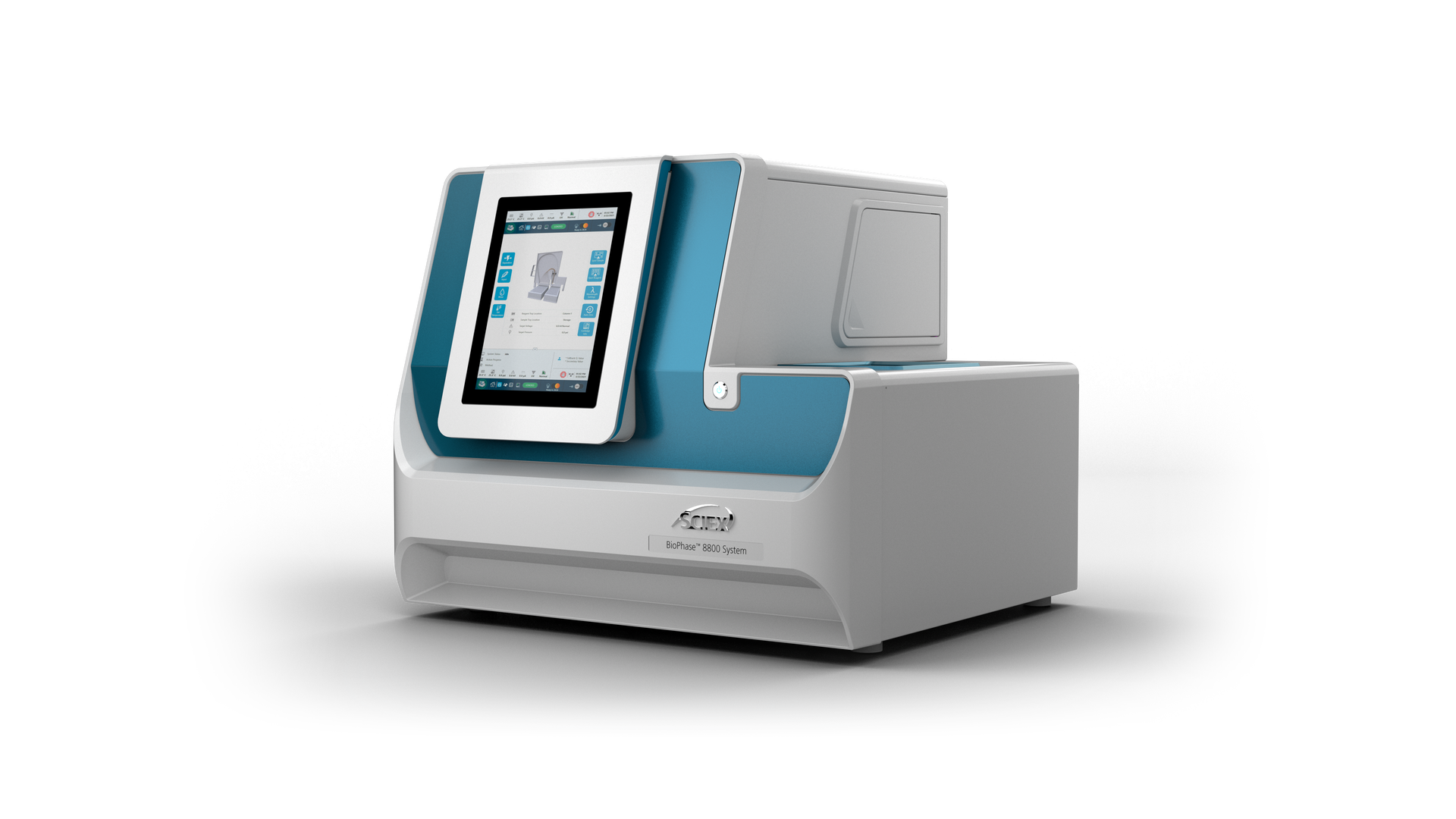
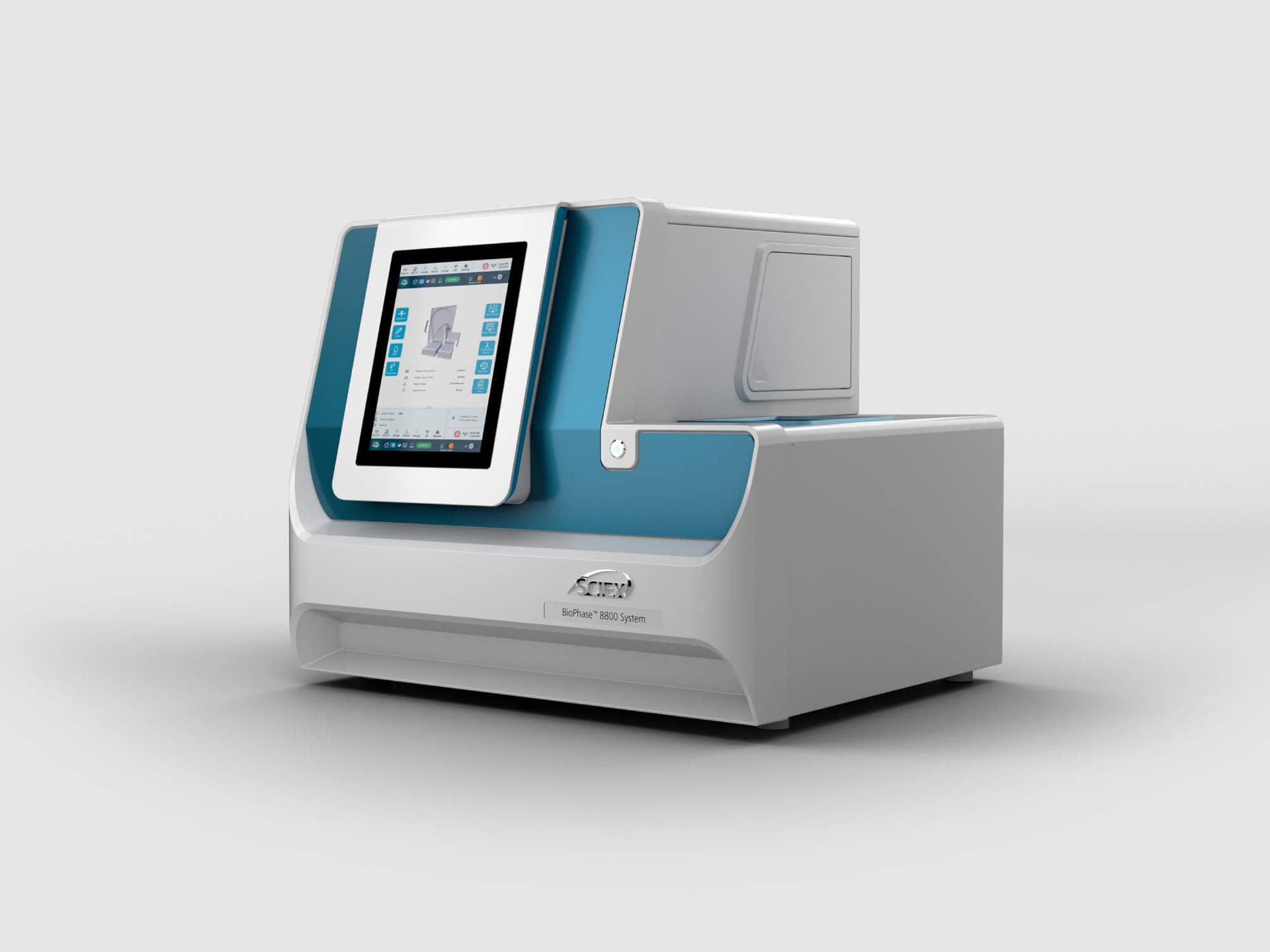 BioPhase 8800 system
Discover a flexible platform with parallel processing designed to deliver consistent, comparable and compliant data at scale across the drug development continuum.
Learn more -
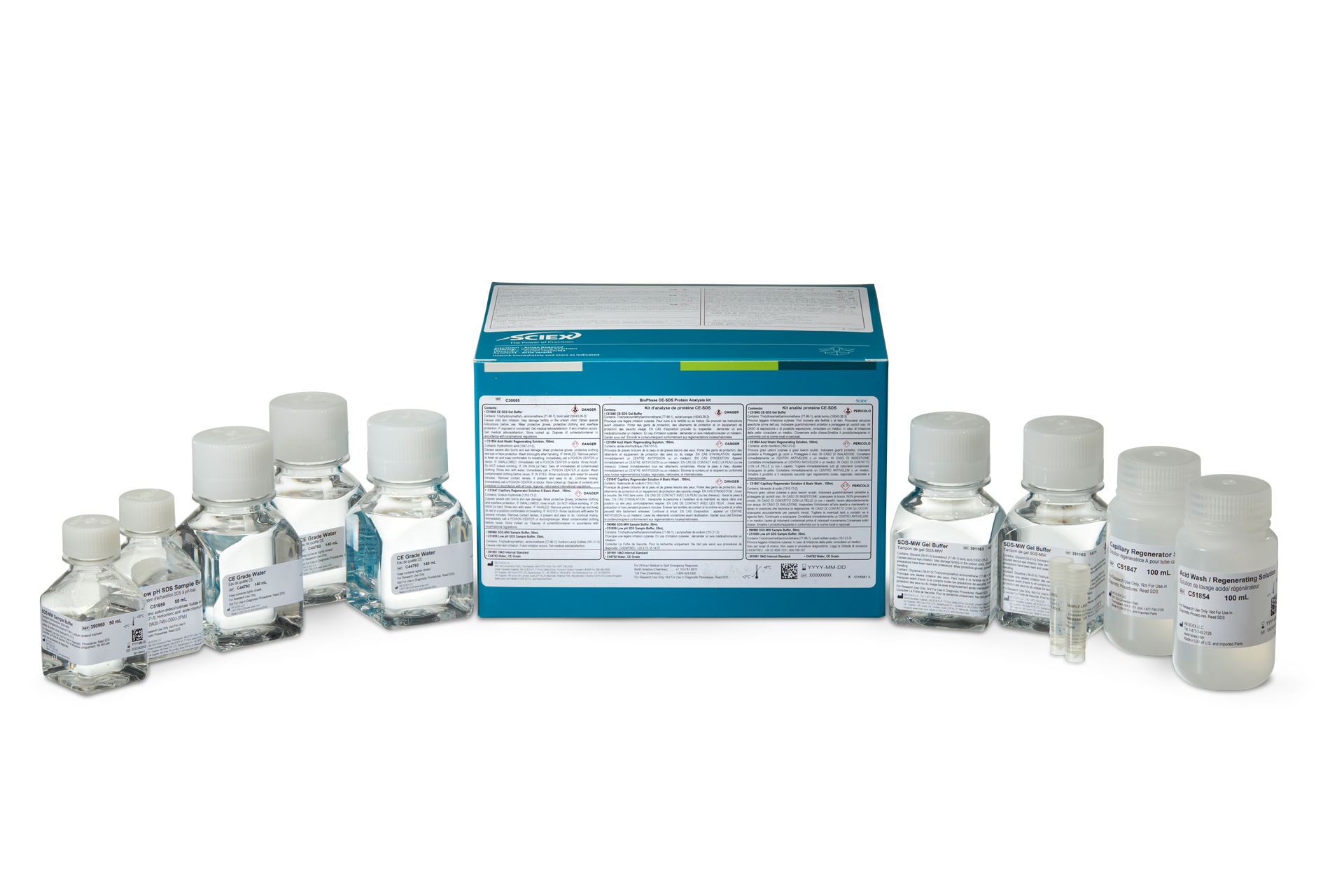 CE kits and reagents
Support core industry workflows with validated kits. Adapt quickly with kit-based workflows designed to support core industry assays on SCIEX CE instruments.
Learn more -
 BioPhase software
BioPhase software 1.6 helps laboratories align with project requirements while maintaining continuity across development activities, allowing teams to adapt as programs mature without introducing unnecessary disruption.
Learn more
Related applications
Reclaim time for innovation by identifying and advancing drug candidates more confidently with analytical strategies that support your team across modalities, from discovery to commercialization.
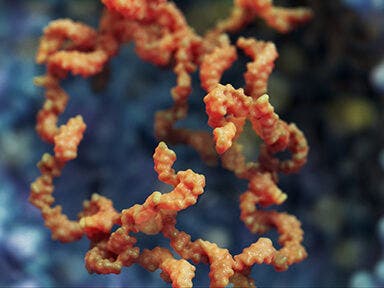
Messenger RNA analysis
Break through barriers and extend the frontiers of mRNA, saRNA, and circRNA development with intuitive analytical solutions. Confidently innovate with high-quality, sensitive, and accurate data to assess integrity, purity, and CQAs.
Learn more

Plasmid and DNA analysis
Advance your projects with purpose-built solutions for the analysis of pDNA and dsDNA to support the development of your mRN), viral vectors, recombinant proteins, and other new modalities.
Learn more

Viral vector characterization
Optimize your processes with solutions that overcome the analytical challenges of viral vector-based drugs. Take control of full and empty ratios and protein and genome profiles. Break down the boundaries of protein and post-translational modification (PTM) characterization with dedicated high-resolution workflows offering unprecedented depth.
Learn more
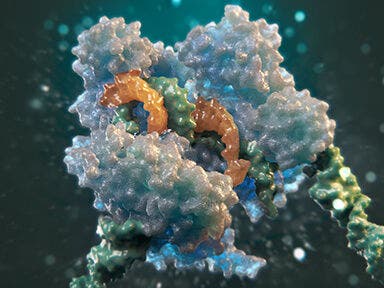
CRISPR/Cas9 analysis
Set your own schedule for CRISPR/Cas9 gene editing with innovative, intuitive analytical solutions. Unleash the potential of your Cas9 mRNa, sgRNA, and Cas9 proteins by understanding quality, purity, and safety and assessing on/off target effects.
Learn more
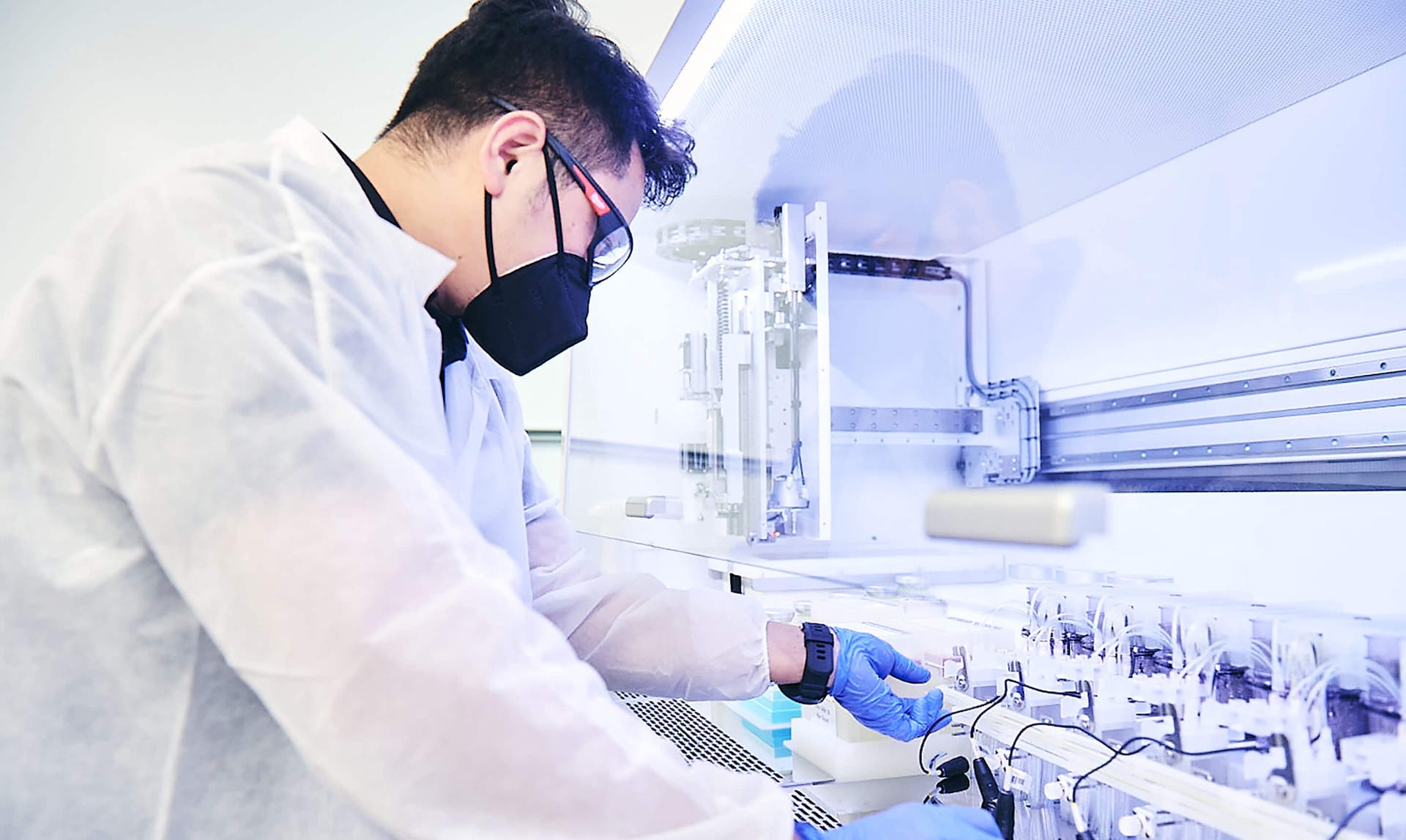
Cell line analysis
Set the pace with confidence. Cell line monitoring and analysis solutions verify the identity, purity, and stability of lead candidates with high throughput strategies that are ready for automation.
Learn more
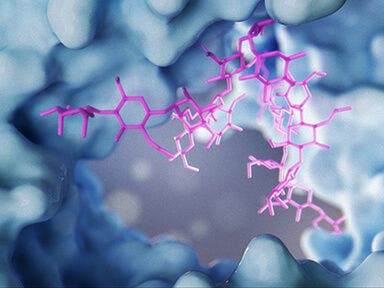
Glycan analysis
Fully understand drug candidate glycoprofiles with pipeline-specific solutions. Gather critical high-resolution information and site-specific data points with advanced glycan analysis for complex biologic development.
Learn more
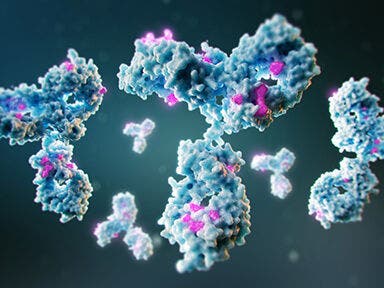
Charge heterogeneity analysis
Pursue the end goal with confidence. Achieve the full picture and accelerate decisions with comprehensive characterization of biopharmaceutical charge variants.
Learn more
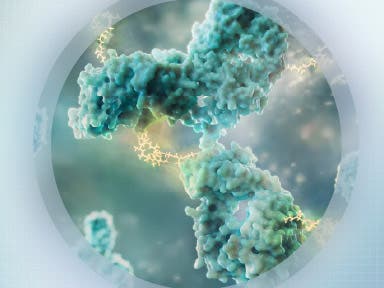
CE-SDS microsite
Discover how CE‑SDS enables quantitative purity assessment, estimation of product‑related impurities, and batch‑to‑batch consistency across the drug development lifecycle—supporting informed decision‑making and delivery of safe, effective therapies.
Learn more
Let's connect.
Stay up-to-date with biopharma conversations on LinkedIn
Frequently asked questions
The BioPhase Instrument API enables integration of the BioPhase 8800 system into laboratory automation workflows, allowing external software applications to remotely monitor and control BioPhase systems. |
The BioPhase Instrument API provides programmatic access to instrument control and sequence execution functions, enabling remote monitoring, automated workflow execution, and integration with connected laboratory environments. |
Yes. The BioPhase 8800 system can be integrated with laboratory scheduling, automation, orchestration, and robotic platforms through the BioPhase Instrument API. |
Yes. The BioPhase Instrument API allows external software applications to remotely start, monitor, and stop BioPhase 8800 system sequence runs. |
The BioPhase Instrument API provides access to project and sequence information, instrument status, workflow execution progress, and system monitoring information to support automated laboratory workflows. |
The BioPhase Instrument API helps laboratories reduce manual intervention, automate workflow execution, monitor instrument performance, and connect BioPhase 8800 system workflows into broader laboratory automation ecosystems. |