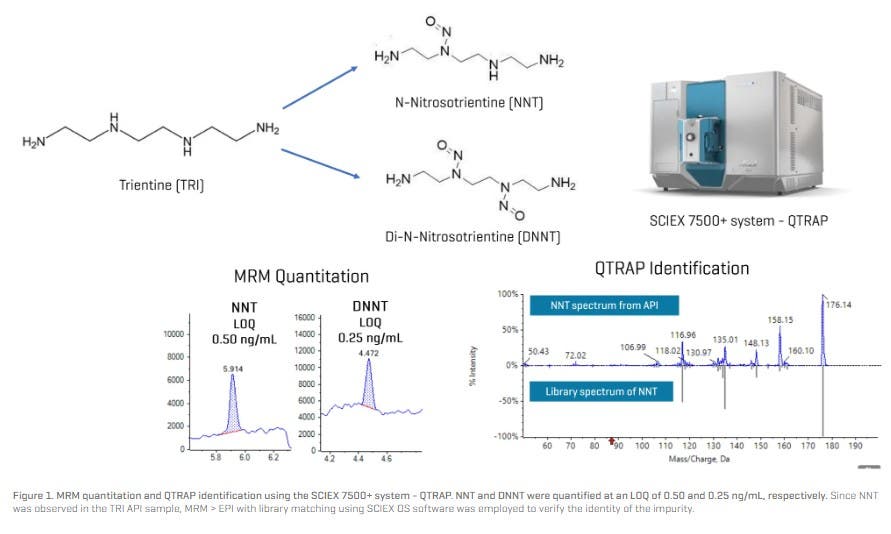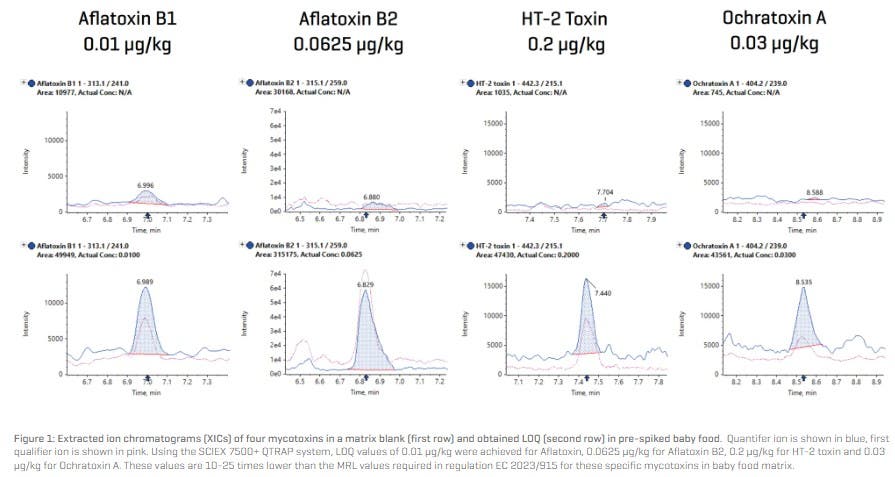
In laboratories around the world, scientists are increasingly confronted with a paradox: they must measure ever‑smaller traces of chemicals - drugs in blood, pollutants in water, metabolites in food - while also proving, with certainty, what those substances actually are. For years, these tasks required different kinds of instruments, or multiple analytical runs. SCIEX QTRAP systems collapse that divide.
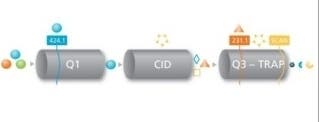
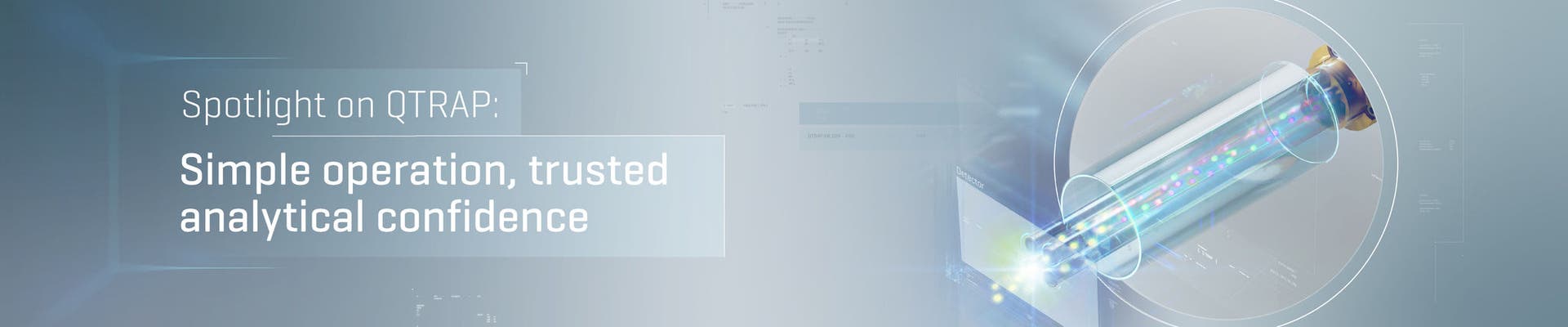
SCIEX QTRAP systems are hybrid mass spectrometers that pair a traditional triple quadrupole that excels at quantifying known compounds with extraordinary sensitivity with a linear ion trap (LIT) as Q3 to trap and accumulate ions, delivering information-rich, structural information simultaneously. This means you get precision quantitation and structural insight - not just in one platform, but in one run.
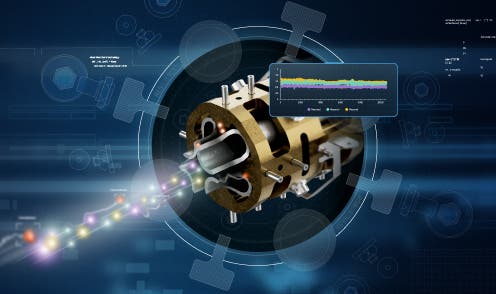
How does it work? RF (radio-frequency) fields are applied to the quadrupole rods to confine the ions radially while DC voltages are applied to the lenses at both ends, essentially creating a potential barrier that keeps the ions inside the trap. The ions are cooled briefly with background gas, and then scanned out depending on the type of scan function selected. The result is high-sensitivity data that brings qualitative information to a triple-quad backbone.
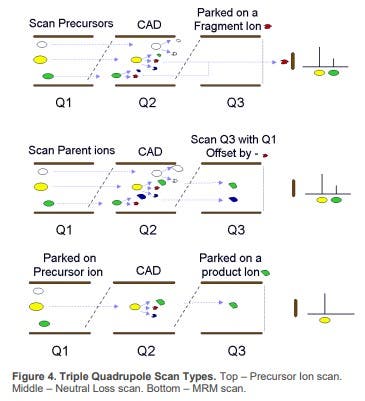
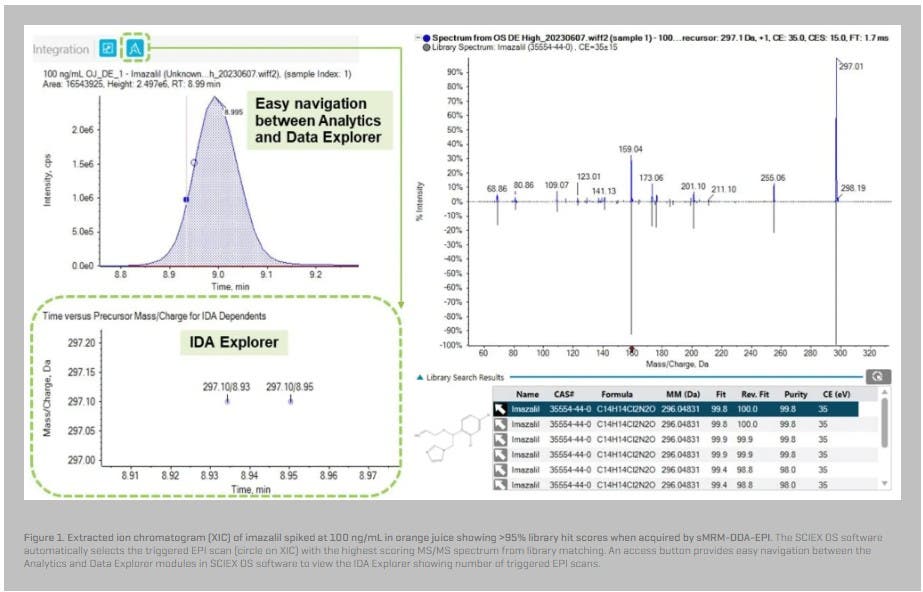
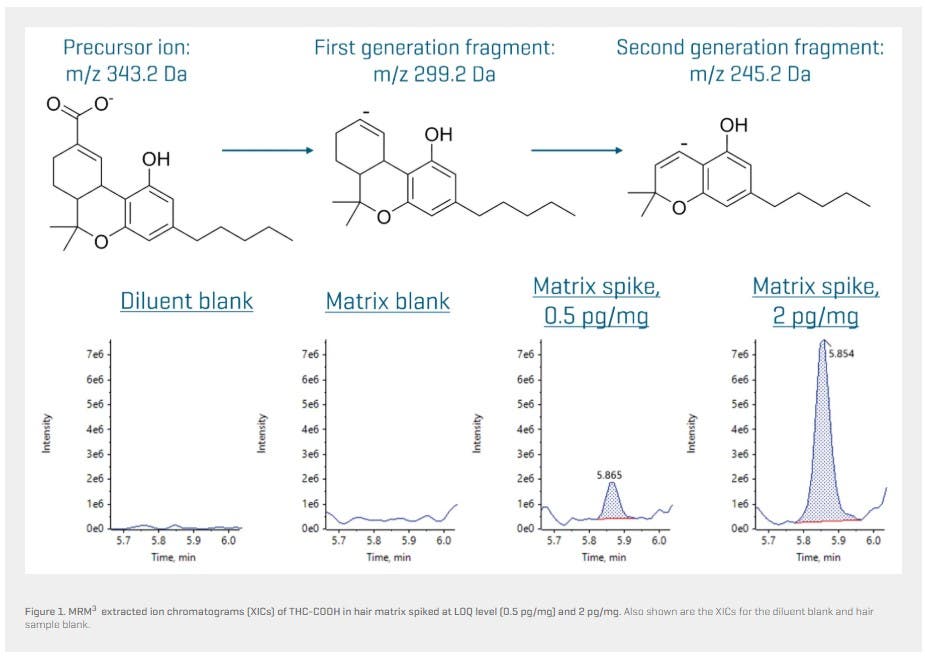
SCIEX QTRAP systems support the full suite of traditional triple quadrupole scan modes, including MRM, product‑ion scans, precursor‑ion scans, and neutral‑loss scans, plus all the LIT‑based scan functions such as Enhanced Product Ion (EPI), high‑sensitivity precursor‑ion experiments, and MS³‑style workflows (MRM3). All this functionality comes without any changes in sensitivitym robustness, or performance factors.